Kung Fu Film Guides
9 Best Kung Fu Movies to Watch Tonight
Looking for the best kung fu movies? Start with nine great picks, from training stories and school rivalries to wild Shaw Brothers action.
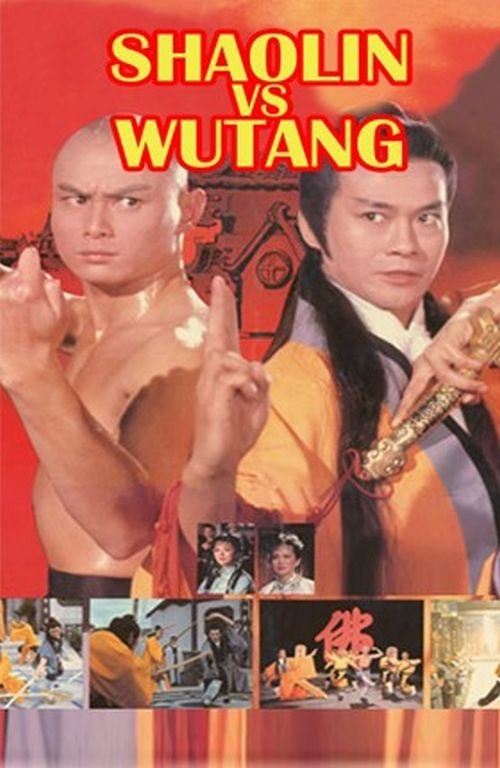
The best kung fu movies do more than line up impressive fights. They give every exchange a problem to solve. A student has to earn a skill. A proud fighter has to find out why their usual method fails. A teacher has to decide whether a pupil is ready. A villain has a style so strange that the hero must learn to see the fight differently before they can survive it.
That is why a useful list cannot just pile famous titles into a row and call it a day. One viewer wants the patient satisfaction of a training story. Another wants broad comedy, dangerous weapons, a rival school, a righteous underdog, or the rowdy kick of a 1970s deep cut. The British Film Institute's guide to great kung fu films moves from Bruce Lee to Lau Kar-leung and Sammo Hung for exactly that reason: the genre has several distinct pleasures, not one standard experience.
This guide is a route through nine real titles in the Cinema Kung Fu collection. They are arranged by what they deliver on screen, not by a claim that one film can settle the whole genre. Start with the mood that sounds right tonight, then use the film that lands best as your lead into the next shelf.
Best place to start: Challenge of the Masters for a clear training story with a satisfying payoff.
Best for style clashes: Heroes of the East for an easy-to-follow match of martial traditions.
Best for wild action: Five Elements Ninjas for traps, bold design, and escalating Shaw Brothers spectacle.
How to choose a kung fu movie
Choose a training story when you want a clean, satisfying build. The early scenes set a limitation, the middle teaches you what the hero needs to learn, and the final confrontation pays it off. Choose a school rivalry when you want to watch styles become personalities. The movement tells you who is disciplined, reckless, adaptable, or trapped by pride.
Choose a Shaw Brothers spectacle when you want the design of the movie to be part of the fun. Costumes, weapons, sets, traps, and rules can be just as expressive as a kick. Choose a comic or offbeat title when you want surprise and rhythm over solemnity. The best action comedy still has discipline underneath it, but it lets the performers play with timing, embarrassment, and sudden reversals.
There is no need to memorise every actor, form, or studio before starting. Watch the relationship that carries the film. Who is learning? Who is hiding something? Who is testing whom? What does the opponent do that the hero cannot answer yet? Those questions turn an unfamiliar title into a story you can read from the first fight.
Why older kung fu movies still feel fresh
Classic kung fu cinema is often discussed as if every film delivers the same set of familiar moves. That misses the point. The memorable ones turn limited resources into choices. A small courtyard can become a map of danger. A bench, fan, staff, staircase, or table can change how a fighter moves. A performer can reveal a character's patience, arrogance, or fear by the way they hold a beat before a strike.
That economy is useful for a first-time viewer. Modern action can make speed and impact easy to feel, but it can also make the mechanics hard to see. In a strong older fight scene, you can usually tell what changed. Someone loses distance. Someone is trapped by a weapon. Someone has found the rhythm of an opponent. That clarity gives a scene a satisfying shape even when the story is moving quickly.
It also explains why production dates are only part of the choice. A 1974 Shaolin film may be the perfect watch when you want discipline and mythic stakes. A 1979 comedy may be the better choice when you want a performer to turn a bad decision into a piece of choreography. A 1982 Shaw Brothers spectacle may be the one when you want artifice, color, and a villain with a method built for the screen rather than real life.
Go in expecting a particular visual language, not a museum piece. The dubbing, set work, pacing, and stylised performances are part of the experience. Give a film enough time to establish its rhythm, then notice what it asks you to watch for. When the final fight arrives, it should feel like an answer to a question the movie has been quietly teaching you to understand.
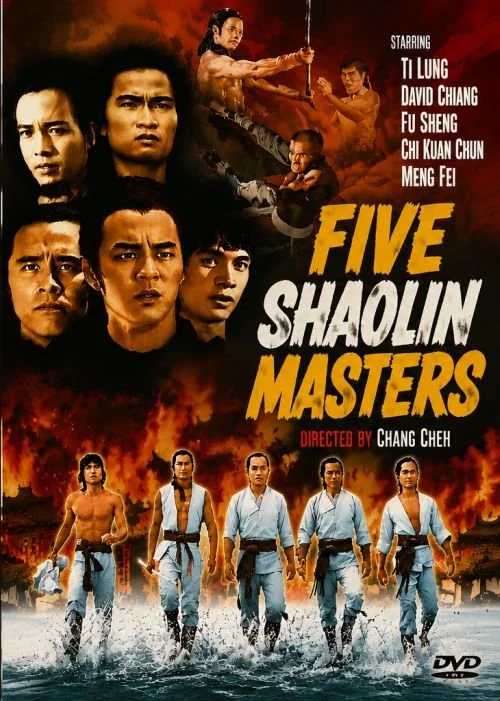
1. Five Shaolin Masters (1974)
Five Shaolin Masters is the pick for a viewer who wants a traditional Shaolin story with a strong group dynamic. Five survivors leave the destroyed temple and carry their training into separate paths. That premise gives the film both momentum and a useful sense of scale. You are not waiting for one hero to become interesting. You are watching a shared history break into several possible futures.
The appeal is the way duty and technique move together. A Shaolin story works when training is not merely a montage between plot points, but a way of showing what a character owes to a teacher, a brother, or a lost community. This is a fine place to start when you want the period setting to feel important without needing a maze of names and allegiances before the film gets moving.
Choose it first if you enjoy ensemble adventures, loyalty under pressure, and the feeling that every member of a group brings a different strength to the table. Once the Shaolin setting clicks, you can move into more focused school stories, revenge pictures, and films where one unusual method changes the whole fight.
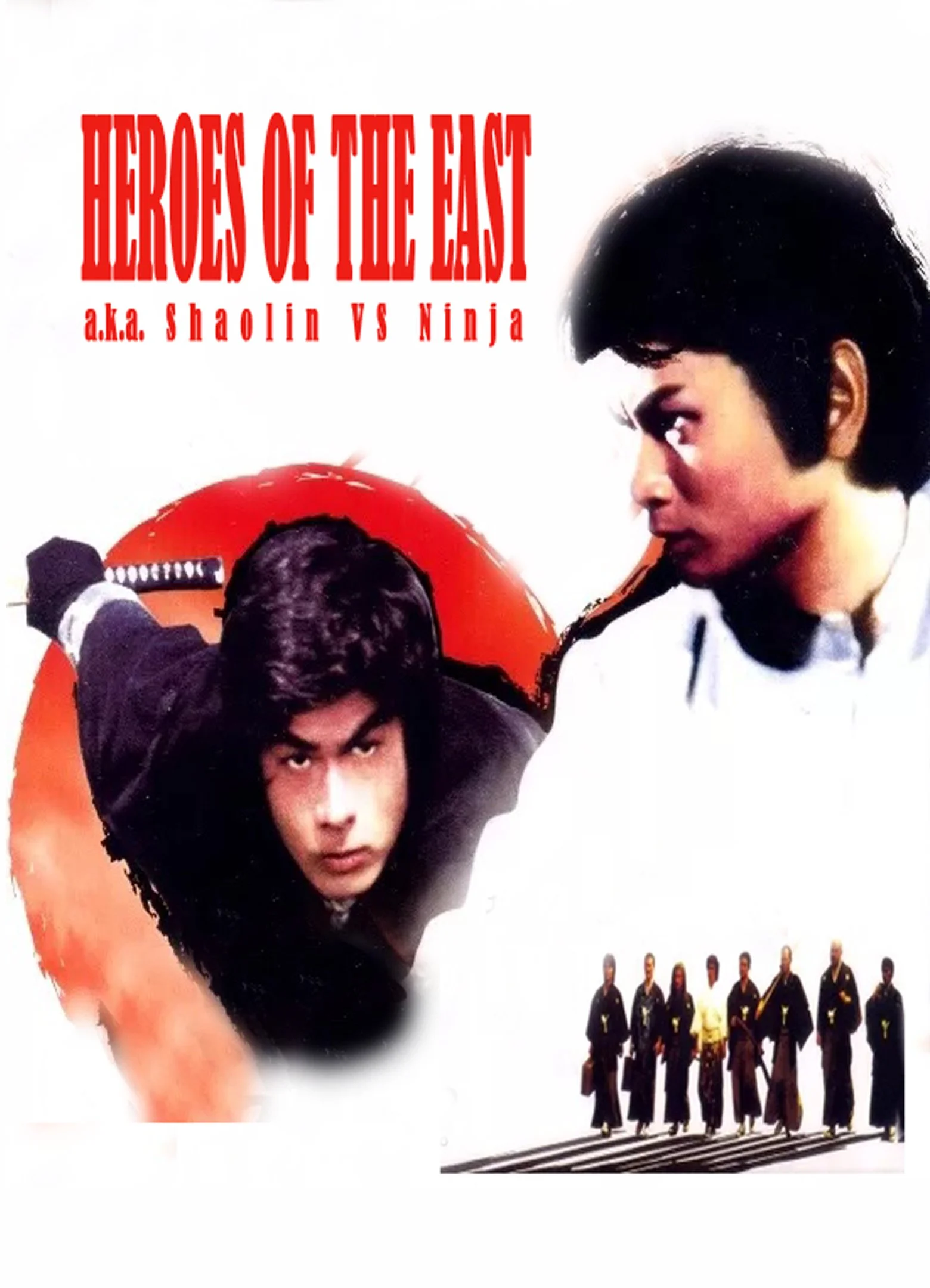
2. Heroes of the East (1978)
Heroes of the East is for anyone who wants to see styles become the story. Gordon Liu plays a Chinese kung fu practitioner whose marriage to a Japanese martial artist turns into a clash of habits, techniques, and assumptions. The premise sounds light, but it gives the action a useful structure. Each encounter asks the same practical question: can a fighter respect a method they did not grow up with?
That makes the film unusually easy to follow. You do not need technical training to understand the stakes. You can see how a weapon, stance, or rhythm asks for a different response. The fun comes from watching certainty turn into curiosity. A fighter who relies on one answer has to become more observant, and the film lets the audience learn beside him.
Pick this when you want spirited competition without a grim revenge plot. It is a strong bridge between a beginner-friendly kung fu story and the more elaborate style battles that become common in deep-cut collecting. It also pairs well with the site's guide to the difference between wuxia and kung fu, which helps put hand-to-hand technique and swordplay into clearer focus.
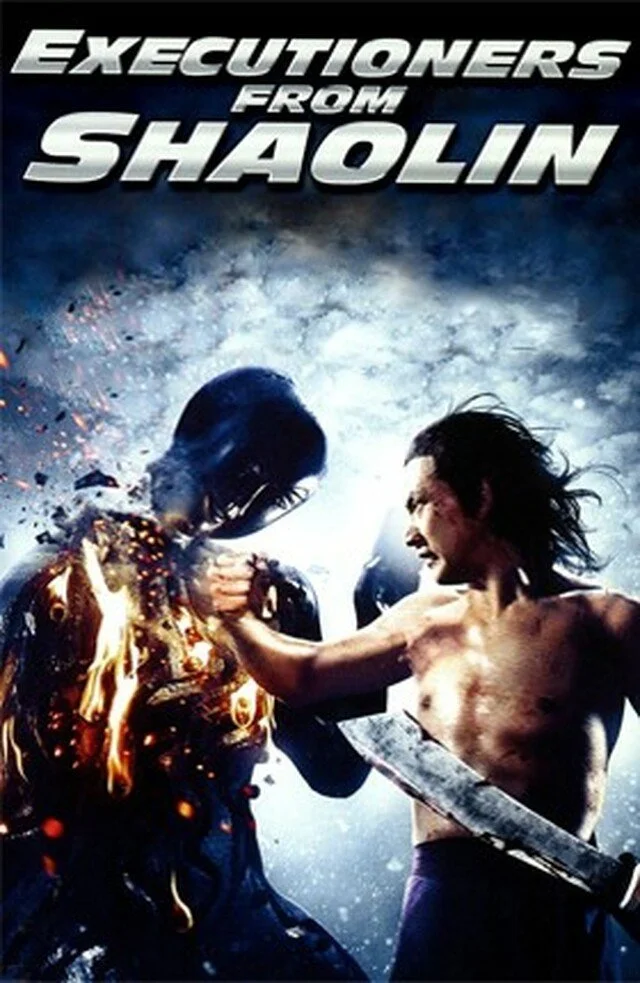
3. Executioners from Shaolin (1977)
Executioners from Shaolin is one of the best choices when you want a family story built around a real difference in styles. Its Tiger and Crane conflict gives the action a point of view from the beginning. The important thing is not simply which move looks more dramatic. It is how the strengths of one approach create a blind spot that another approach can answer.
That is a classic kung fu pleasure. A good opponent forces the hero to learn more than a harder punch. The answer may come from a teacher, a family tradition, a mistake, or a shift in temperament. Here, the contrast between methods becomes personal, which keeps the later confrontations from feeling like a detached display of skills.
Choose this if you like a movie that gives you a clear problem early and trusts the final stretch to resolve it. It is also a sensible first purchase for collectors who want a title that carries a full dramatic arc rather than a series of unrelated bouts. For more options in that vein, the old-school kung fu collection has the broader shelf behind it.
4. The 7 Grandmasters (1977)
The 7 Grandmasters is the choice for a viewer who wants a quest with a competitive edge. An aging expert is handed a grand title, then has to test whether it is deserved. That setup is compact, but it opens the door to a satisfying run of encounters, each one making the central reputation feel less certain and more interesting.
Films about masters can become static when they only ask an already-great fighter to prove how great they are. This type of story works better because a title or reputation becomes a burden. Every new challenger changes the question. Is the hero protecting an image, discovering a limit, or meeting people who have learned something he has not?
Watch this one when you enjoy travel, rival experts, and a structure that keeps the next meeting unpredictable. It is a good answer to the collector who wants more than a single final duel, but does not want a plot so dense that the action becomes hard to read. The journey makes room for both discovery and escalation.
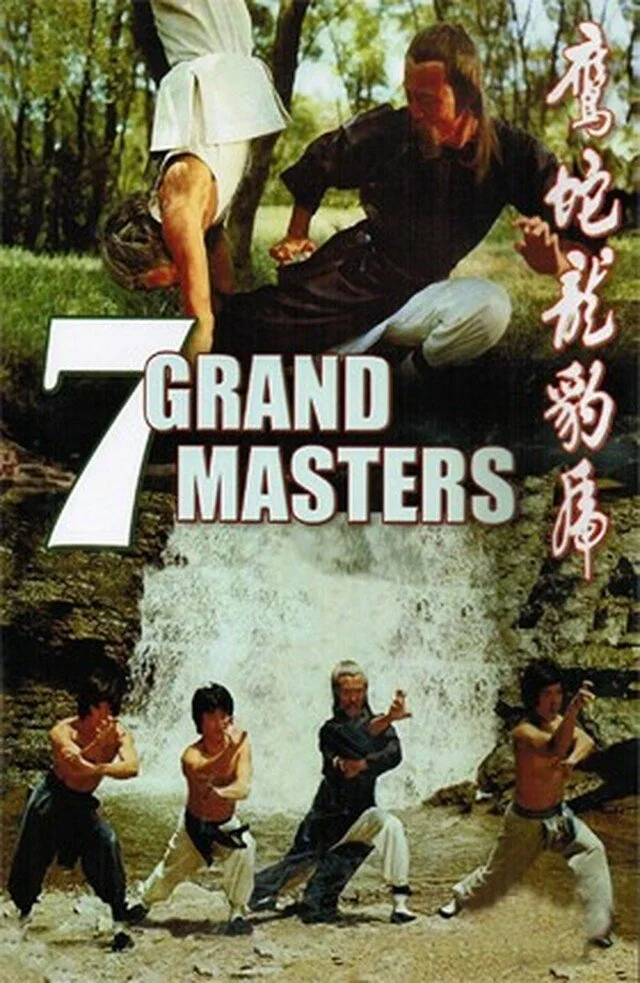
5. Challenge of the Masters (1976)
Challenge of the Masters is an ideal training-story pick. Its young Wong Fei-hung is sent to learn Hung Gar kung fu, giving the film the kind of clear transformation that makes classic martial arts cinema satisfying for a first-time viewer. You can feel the distance between a restless student and the discipline the story asks him to build.
Training is one of the genre's most durable pleasures because it creates a contract with the viewer. Pay attention now, the movie says, because the awkward exercise, repeated movement, or correction from a teacher will mean something later. BFI highlights Lau Kar-leung's love of inventive training in The 36th Chamber of Shaolin, while Time Out also places that film at the top of its martial arts list. That enduring appeal of training stories is a helpful clue for choosing this branch of the genre.
Choose Challenge of the Masters when you want to watch ability arrive step by step. It does not require you to know the real history behind Wong Fei-hung to enjoy the main arc. It simply gives you a student, a standard to reach, and a reason to care when practice starts turning into poise.
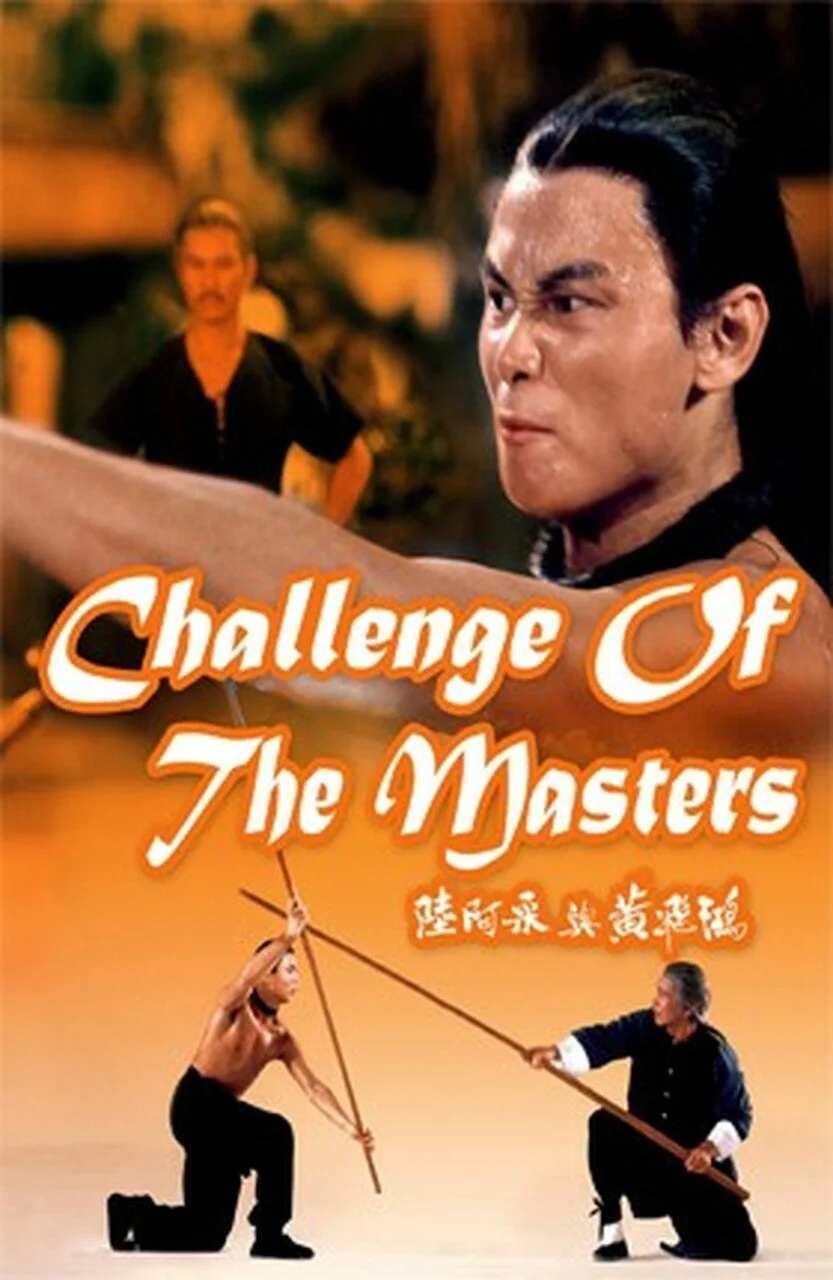
6. Five Elements Ninjas (1982)
Five Elements Ninjas is for the viewer who wants a kung fu movie to get strange, theatrical, and full of traps. The title tells you exactly what kind of pleasure is on offer. Different elemental methods mean each new opponent brings a new visual idea, and the film can keep changing its rules without losing the audience.
This is not the first pick for someone seeking a restrained, naturalistic martial arts drama. It is the right pick when you want bold design, exaggerated threats, and choreography that treats the environment as part of the attack. The action becomes a puzzle. What can the enemy do? What signal has the film shown you? What will the hero have to notice before brute force stops being enough?
Shaw Brothers films are especially rewarding once you have watched one or two more direct training stories because their stylisation becomes part of the fun rather than a barrier. The site’s Shaw Brothers collection is the next route when this kind of color, weaponry, and controlled excess is what you want more of.
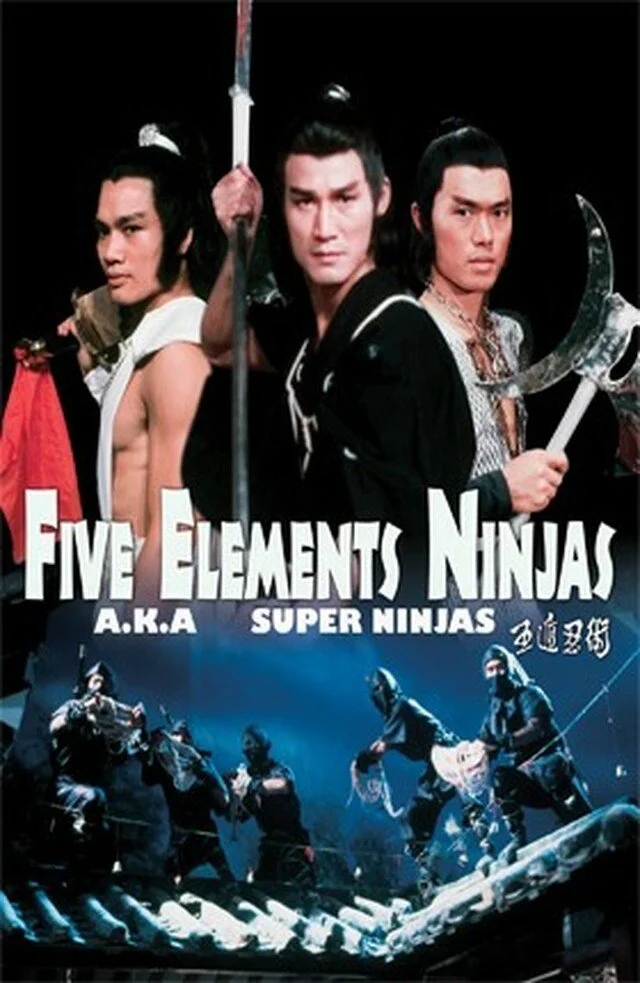
7. Dance of the Drunk Mantis (1979)
Dance of the Drunk Mantis is the right move when you want a film with personality in every choice. The title points toward an eccentric style, but the real appeal is the balance between comedy, danger, and physical invention. A martial arts movie can be funny without making the action feel weightless. In the best examples, humour gives the performers more timing to play with and makes the serious moments land harder.
Do not treat an odd title as a warning that the film will be hard to follow. Often it is an invitation to a different kind of rhythm. The hero may be clumsy before becoming capable. A teacher may seem ridiculous before revealing a precise lesson. The technique may look silly until the opponent proves why ordinary answers are not enough.
Pick this when you like the idea of a training story that refuses to be solemn. The connection between action and comedy runs deep in Hong Kong cinema. Criterion's Hong Kong action collection places Jackie Chan and Sammo Hung's martial arts comedies beside more hard-edged action and grand wuxia, a useful reminder that these movies can be playful without becoming slight. That range is part of the tradition.
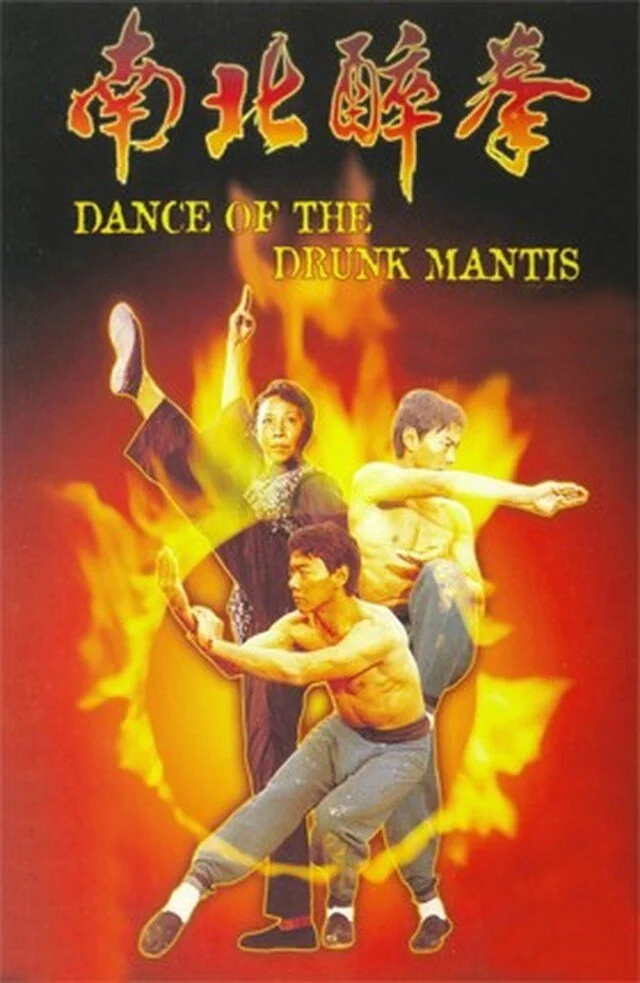
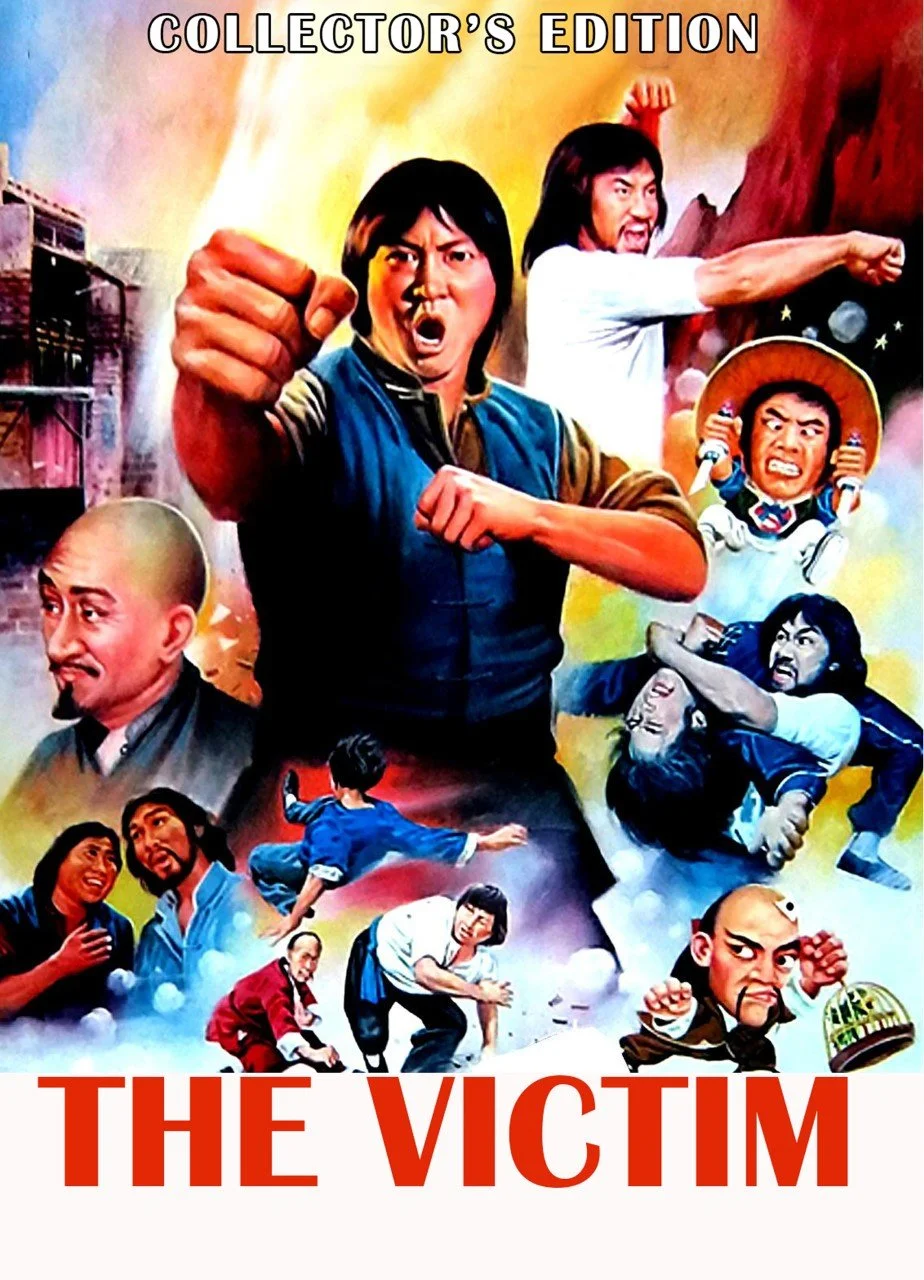
8. The Victim (1980)
The Victim is a stronger choice when you want the energy of a martial arts partnership. Starring Sammo Hung and Bryan Leung, it has the kind of title that suggests a hard-edged conflict, but its appeal to a new viewer is also the way two performers can give a scene a changing rhythm. A fight becomes more interesting when the characters do not solve its problem in the same way.
That is one reason Sammo Hung remains such a useful signpost for collectors. He understood that choreography could reveal friendship, irritation, confidence, and improvisation at the same time. The action does not need to pause for character. A hesitation, a badly timed rescue, or a shift in who takes the lead can do the work inside the movement.
Choose The Victim when you have enjoyed a few school and training stories and want something that feels more physical and immediate. It offers a route into the rougher, more performer-led side of the genre, where the joy comes from watching a pair of fighters change the temperature of a scene together.
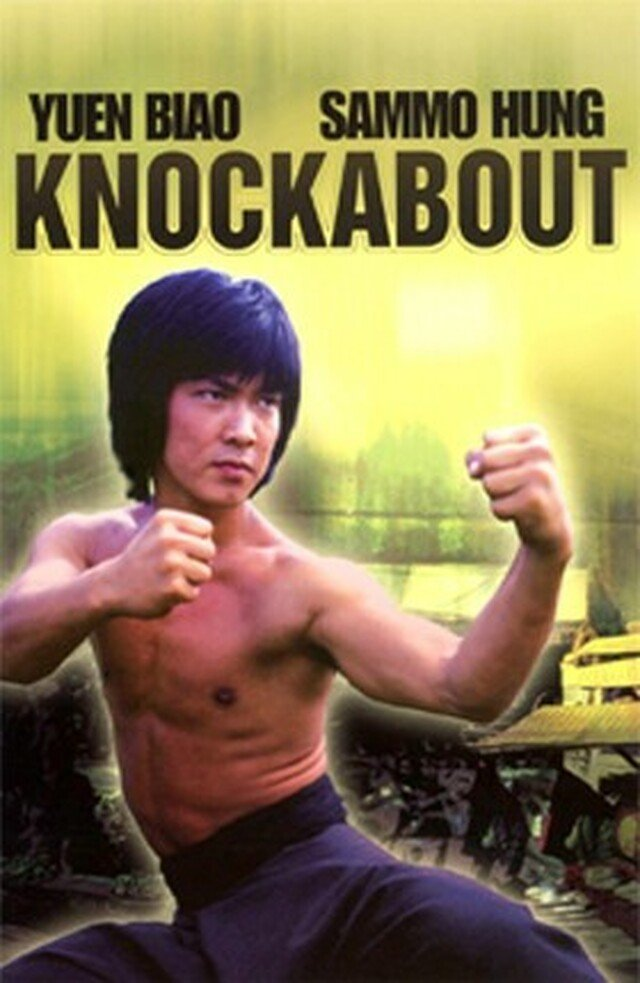
9. Knockabout (1979)
Knockabout closes this route with a reminder that a kung fu movie can be loose, funny, and still sharply constructed. Its two down-at-heel conmen give the opening a comic angle, but the pleasure lies in how the characters are pushed into a world where charm and bluffing are no longer enough. That shift creates exactly the sort of transformation a good martial arts story needs.
This is a film to choose when you want the genre's human side. Before anyone proves mastery, people may be unlucky, vain, playful, frightened, or trying to talk their way past a problem. The comedy makes that vulnerability visible. When the story demands more of them, the turn toward skill and resolve has something real to build on.
Bruce Lee's films changed the international image of kung fu cinema, but they are only one doorway. Knockabout takes a different route, using comic performance and character friction to make the later action feel earned. It is an excellent choice when you want to finish the first run with wit as well as impact.
A simple next-watch path
Start with Challenge of the Masters if you want the cleanest introduction to training and payoff. Follow it with Heroes of the East to see a film make contrasting methods part of the fun. From there, choose Executioners from Shaolin for a more personal style conflict or Five Shaolin Masters for a broader group story.
Once those foundations feel familiar, choose your flavor. Go to Five Elements Ninjas when you want heightened Shaw Brothers spectacle. Go to Dance of the Drunk Mantis or Knockabout when comic timing is the draw. Go to The Victim when you want a more immediate performer-led clash. Go to The 7 Grandmasters when you want a journey made of rival encounters.
The point is not to finish nine films before you are allowed to have an opinion. It is to notice what holds your attention. Maybe it is a master correcting a student, the tension of a school challenge, a wild weapon, an actor's timing, or an old poster with a title that promises something no algorithm would recommend. That is the trail worth following.
Turn one good watch into a better shelf
A list is useful when it helps you make the next decision. After any of these films, write down one thing you want more of. It might be a performer such as Gordon Liu, a director's sense of pace, a school story, a comic partnership, a Shaolin setting, a difficult weapon, or simply the rough-and-ready energy of late-1970s action. That one detail is more helpful than trying to search for “movies like that” with no direction.
Then browse by the clue, not by a vague promise. A collector who likes the family-and-style tension in Executioners from Shaolin can look for more Shaolin and training stories. Someone taken with the color and invention of Five Elements Ninjas can move through Shaw Brothers titles. A viewer who likes the comic timing of Knockabout can make room for titles where the personality of the performer is as important as the final defeat of the villain.
Alternate English titles can make this part of collecting look more complicated than it is. Treat them as useful signposts. Compare the title, year, cast, and synopsis on a listing before deciding whether it is the film you mean. You do not need a perfect memory for every release. You only need enough context to know whether a particular disc follows the thread you are enjoying.
That approach also stops a collection from becoming a pile of disconnected purchases. A good shelf has little runs inside it: a few training stories, a set of rival-school films, a cluster around a favorite actor, then a few strange titles that take the same ideas in a new direction. The pleasure is in building those connections yourself, one watch at a time.
Where Cinema Kung Fu fits in
Cinema Kung Fu is most useful after a film has given you a direction. The collection is built around the stage when you want to follow a performer, a style, a studio, or a story shape past the handful of titles that appear on every general list. The old-school kung fu collection makes it easier to keep browsing by the feeling you want rather than starting from a blank search bar each time.
Read individual listings before ordering, especially when a title carries an alternate English name or comes from a rarer corner of the catalogue. The site's Disc Guide explains the made-on-demand DVD-R format and what collectors should expect from a release. That clarity matters. A good find is better when you know the film, the edition, and the reason it belongs on your shelf.
The short version
The best kung fu movie is the one that gives you another route into the genre. Start with a training story when you want a clear payoff. Pick a style clash when you want to watch fighters learn to adapt. Follow Shaolin history when you want discipline and duty. Choose a Shaw Brothers title when you want a bolder spectacle. Try a comic title when you want rhythm, surprise, and performers who make failure part of the fun.
Once one title works, use it as a clue. Follow the actor, studio, teacher-and-student story, fighting style, or strange bit of movie logic that stayed with you. That is how a stack of unfamiliar kung fu movies becomes a collection with its own internal map.
Frequently asked questions
What is the best kung fu movie for a beginner?
Start with a film that gives the action a clear story job. A training story, a rivalry between schools, or a straightforward revenge plot makes the stakes easy to follow while you get used to the rhythm of classic Hong Kong action. Challenge of the Masters and Heroes of the East are especially approachable starting points.
Are these the most famous kung fu movies ever made?
Not exactly. This is a viewing route rather than a fixed all-time ranking. Famous landmarks such as Enter the Dragon, The 36th Chamber of Shaolin, and Drunken Master matter, but a good next watch depends on whether you want training, style clashes, comic timing, revenge, or a deeper-cut discovery.
What is the difference between kung fu movies and wuxia?
Kung fu movies usually put physical training, hand-to-hand skill, rival schools, and problem-solving through technique at the center. Wuxia films are more likely to feature swords, wandering heroes, heightened movement, and questions of honor in a wider martial world. The genres overlap, but the feeling of the action is often different.
Where should I go after these kung fu movies?
Follow the part that stayed with you. If you liked training and period atmosphere, look for more Shaolin stories. If the clash of methods was the draw, try more school rivalries. If you liked unpredictable weapons and stylized villains, explore Shaw Brothers films. Cinema Kung Fu's old-school kung fu collection makes those next steps easier to browse.
Related posts

Kung Fu Film Guides
Classic Kung Fu Movies: How to Choose Your First
A collector's guide to finding the right first classic kung fu movie, from training stories and rival schools to wild late-1970s action.
Read the guide ›
Kung Fu Film Guides
7 Best Kung Fu Comedy Movies for Your Next Watch
Seven kung fu comedy movies to start with, from Jackie Chan action comedy to oddball training stories and late-1970s deep cuts.
Read the guide ›Kung Fu Film Guides
7 Best Shaw Brothers Movies for Your First Watch
A practical route into Shaw Brothers movies, from training stories and clan mysteries to swordplay spectacle.
Read the guide ›Kung Fu Film Guides
7 '80s Martial Arts Films Worth Watching Tonight
A collector's route through 1980s martial arts films, from traditional kung fu and stunt comedy to hard-edged Hong Kong action.
Read the guide ›