Kung Fu Film Guides
7 '80s Martial Arts Films Worth Watching Tonight
A collector's route through 1980s martial arts films, from traditional kung fu and stunt comedy to hard-edged Hong Kong action.
The 1980s did not give martial arts cinema one look. It gave it several. You can find a traditional school rivalry, a city chase built around impossible stunts, a dangerous mission with an ensemble cast, or a film where a final fight changes everything you thought the story was doing. That range is why the decade is such a good place to start building a personal watchlist.
The useful question is not which title is the undisputed best. It is what kind of night you want. Start with Shaolin vs Wutang for old-school technique and a clean martial conflict. Choose Meals on Wheels for speed, humor, and a famous three-way partnership. Pick Eastern Condors when you want an all-out group adventure. These seven 80s martial arts films are a practical route through the era, with real Cinema Kung Fu releases ready to follow when one clicks.
The short route through the decade
Best first watch: Shaolin vs Wutang for a direct traditional-kung-fu entry point.
Best action comedy: Meals on Wheels for Jackie Chan, Sammo Hung, and Yuen Biao at full speed.
Best big swing: Eastern Condors for hard-hitting ensemble action.
Why the 1980s are worth exploring
Hong Kong action changed quickly in this decade. The BFI's overview of 1980s Hong Kong action traces a shift from the period kung fu cycle into contemporary, stunt-heavy action. That does not mean older forms disappeared. It means the decade became a crossroads. Traditional martial stories kept their discipline and visual clarity, while performers and directors began testing what happened when comedy, modern cities, vehicles, guns, and larger stunt teams entered the frame.
That transition is useful for a new viewer. You do not need a history lesson before pressing play. You only need to notice what a film is asking its action to do. Is a fight a test of training? A physical joke? A way to introduce a character? A problem that an entire team must solve? Once you can see the job of a scene, the era becomes much easier to navigate.
It also helps to avoid treating “1980s martial arts” as one shelf. The best way in is to choose a lane, then follow the performer, studio, or story shape you enjoyed. A viewer who likes Gordon Liu's precision may want another traditional kung fu picture. Someone who likes Jackie Chan's rhythms may want stunts and comic escalation. Someone who likes Michelle Yeoh's presence may prefer a sharper modern-action route.
How to pick the right first watch
Choose a traditional kung fu film when you want the story to grow from a visible martial problem. A school has a reputation to protect, a fighter has something to learn, or two methods collide. The pleasure is in seeing how a limitation becomes clear and how the answer is earned. The Victim and Shaolin vs Wutang are useful starts because their stakes stay readable even when the genre's names and styles are new to you.
Choose stunt comedy when you want movement to carry character. In a Jackie Chan and Sammo Hung picture, an object, a room, or a bad decision can become the whole point of a scene. The jokes are not breaks from the action. They give the action another rule. A person carrying a tray, climbing through a window, or trying not to be noticed has to solve the same physical problem as a fighter, only with more ways for it to go wrong.
Choose modern action when you want the decade's energy to feel closer to the street than the martial school. Cars, apartments, airports, and busy public spaces change the rhythm. The choreography has less room to announce itself and more pressure to adapt. That is why a modern action scene can feel so immediate: the environment is not just a backdrop, it is another opponent.
Finally, choose an ensemble picture when a single-star story sounds too narrow. Films such as Eastern Condors make the team dynamic part of the thrill. Different performers bring different strengths, and the scene can shift its focus before it becomes predictable. It is a good next step when you have found one performer you like and want to see how much more a bigger group can do together.
1. The Victim (1980)
The Victim is a smart first pick for viewers who want a period kung fu film with a little more bite. Sammo Hung and Bryan Leung bring real weight to the movement, but the movie is not just a string of demonstrations. Its conflict grows from betrayal and survival, giving every confrontation a reason to land.
This is the kind of film that rewards watching how a fighter reads a problem. A clean technique only matters if it changes the situation. The best moments feel physical because the film lets you understand the distance, the danger, and the shift in control. Choose it when you want old-school martial arts storytelling that stays grounded in character pressure.
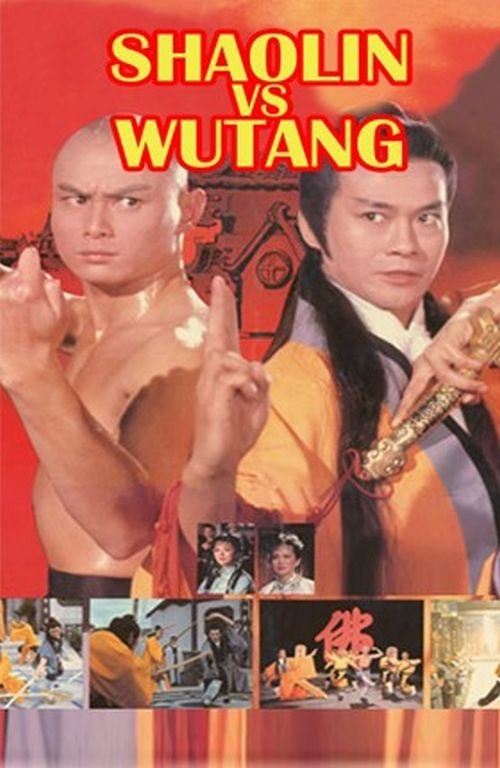
2. Shaolin vs Wutang (1983)
Shaolin vs Wutang is the best first watch here if you want the classic shape of a martial arts story. Gordon Liu gives the film a confident centre, and the title tells you what kind of pleasure it offers: contrasting traditions, rival loyalties, and technique that feels connected to a larger code.
Start here when you like an action film to make its terms clear. The story gives you schools, ideals, and disagreements that matter before the fighting reaches its peak. That makes the final escalation satisfying rather than arbitrary. It is an easy bridge into the broader kung fu DVD collection when you want more films built around methods, teachers, and rival schools.
3. Five Element Ninjas (1982)
Five Element Ninjas is for the viewer who wants the volume turned up. This Shaw Brothers cult favorite is built around distinctive threats, escalating methods, and the kind of visual invention that makes a single fight scene feel like several films' worth of ideas.
Do not expect quiet naturalism. The fun is in watching the movie set a strange new challenge, then force the characters to find a response. Costumes, weapons, terrain, and traps all become part of the action. If you want a fuller introduction to the studio's range, continue with the Shaw Brothers first-watch guide.
4. Meals on Wheels (1984)
Meals on Wheels is a reminder that martial arts movies can be warm, silly, and astonishingly exact at the same time. Jackie Chan, Sammo Hung, and Yuen Biao turn their partnership into a chain of comic problems, physical reversals, and action that always seems one beat faster than you expect.
The BFI highlights the film's Barcelona setting and its celebrated Jackie Chan versus Benny Urquidez finale. That ending matters because it is not only fast. It is readable. You can feel the changes in pace, balance, and risk without needing a glossary. Choose this when you want a film that makes precision look joyful, then makes the joy feel genuinely risky.
5. Royal Warriors (1986)
Royal Warriors offers a more modern route, with Michelle Yeoh at the centre of a tense action story. It trades school courtyards for a contemporary setting, but it keeps the same essential pleasure: a performer whose presence makes every physical choice feel deliberate.
This is the pick when you want to see how martial arts energy moved into the city. Modern locations change the tools of the scene. Corridors, vehicles, cramped rooms, and public spaces make every pursuit feel different from a period duel. Follow this one with more of Cinema Kung Fu's martial arts DVD selection if a contemporary pace is what grabs you.
6. Eastern Condors (1987)
Eastern Condors is the night to choose when you want a team picture that has no interest in taking the easy route. Sammo Hung brings together a formidable group of performers for a mission story where every set piece raises the stakes and asks another member of the group to carry the pressure.
Criterion calls it a breakthrough in Hong Kong action cinema and notes its ensemble-driven scale. That is the key. The film is not asking one hero to solve every problem in the same way. It keeps changing the terrain, the danger, and the role of each fighter. Choose it after a smaller kung fu film when you want to feel the genre opening out into something rougher and larger.
7. No Retreat, No Surrender (1986)
No Retreat, No Surrender belongs on the route because it shows another part of the decade's reach. Its training-story framework, Jean-Claude Van Damme debut, and direct underdog appeal helped make this kind of martial arts movie feel legible to a wider audience.
This is not a substitute for Hong Kong cinema. It is a useful side road. Watch it when you want the clean emotional reward of a young fighter trying to find his own answer. The Cinema Kung Fu release is the U.S. theatrical version, a detail worth checking when alternate editions and titles matter to your shelf.
Build a three-film 80s marathon
For the classic route, start with The Victim, move to Shaolin vs Wutang, and finish with Five Element Ninjas. You will get a grounded conflict, a clear tradition-versus-tradition story, and then a full burst of Shaw Brothers excess. It is an easy way to see how much variety period martial arts films can hold.
For a modern-action route, begin with Meals on Wheels, continue to Royal Warriors, and end with Eastern Condors. The order moves from playful choreography to tighter contemporary tension, then into ensemble spectacle. It is not a test. It is a way to discover whether the things you remember are the comedy, the star, the stunt work, or the team dynamic.
Before ordering an unfamiliar title, use the Disc Guide to check format expectations. Alternate titles and different editions are common in martial arts cinema, and knowing what you are getting makes a growing shelf much more satisfying. The point is not to finish a required list. It is to find the strand of the decade that makes you want to keep looking.
Frequently asked questions
What makes 1980s martial arts films different?
The decade moved between period kung fu, stunt comedy, contemporary police action, and larger ensemble adventures. A good starting point is to choose the mood you want: traditional technique, inventive comedy, hard-edged action, or a film carried by a favorite performer.
Which 1980s martial arts film should I watch first?
Start with Shaolin vs Wutang if you want a clear old-school kung fu story, or Meals on Wheels if you want Jackie Chan, Sammo Hung, and Yuen Biao in a lively action comedy. Both are welcoming without asking you to know the era already.
Are 1980s Hong Kong action films all kung fu films?
No. The decade includes traditional kung fu pictures, but it also brought martial arts into modern settings, mixed it with comedy and crime stories, and pushed stunt work in new directions. That variety is part of what makes the period so rewarding.
Where should I look after these films?
Follow the element that stayed with you. Choose another Gordon Liu title for traditional kung fu, follow Sammo Hung for stunt-driven ensemble action, or browse Michelle Yeoh films for a different modern-action route. Cinema Kung Fu's collection is easiest to explore when you start with one specific mood or performer.
Related posts

Kung Fu Film Guides
Classic Kung Fu Movies: How to Choose Your First
A collector's guide to finding the right first classic kung fu movie, from training stories and rival schools to wild late-1970s action.
Read the guide ›Kung Fu Film Guides
9 Best Kung Fu Movies to Watch Tonight
Looking for the best kung fu movies? Start with nine great picks, from training stories and school rivalries to wild Shaw Brothers action.
Read the guide ›
Kung Fu Film Guides
7 Best Kung Fu Comedy Movies for Your Next Watch
Seven kung fu comedy movies to start with, from Jackie Chan action comedy to oddball training stories and late-1970s deep cuts.
Read the guide ›
Kung Fu Film Guides
7 Best Shaw Brothers Movies for Your First Watch
A practical route into Shaw Brothers movies, from training stories and clan mysteries to swordplay spectacle.
Read the guide ›