Kung Fu Film Guides
7 Best Shaw Brothers Movies for Your First Watch
A practical route into Shaw Brothers movies, from training stories and clan mysteries to swordplay spectacle.
The best Shaw Brothers movies do not all deliver the same kind of night. One might be a clean training story where a student earns a final answer. The next may be a clan mystery packed with masks, false loyalties, and a villain who seems to be three steps ahead. Another can turn a studio set, an outrageous weapon, or a trap-filled corridor into the reason you remember the movie at all.
That range is the point. Shaw Brothers is often used as shorthand for a certain kind of martial arts movie, but the studio's films reward a more specific question: what do you want to watch tonight? Do you want visible technique, a school rivalry, a sweeping group adventure, a tense swordplay puzzle, or the full blast of 1980s martial arts spectacle? Start there and a large filmography becomes much easier to enjoy.
This is not a fixed all-time ranking. It is a route through seven real Cinema Kung Fu releases, chosen for the different pleasures they offer. The British Film Institute's guide to great kung fu films makes the same larger point: classic Hong Kong action has room for training, comedy, revenge, visual design, and startling changes of tone. Pick the doorway that sounds right, then let the film itself tell you where to go next.
What makes Shaw Brothers movies worth exploring
Part of the appeal is the confidence of the worlds they build. A Shaw Brothers film can introduce a school, an inn, a court, a clan, or a martial arts brotherhood with the sense that every room already has rules. You may not know those rules at first. That is often where the pleasure begins. Who owes whom a debt? Which teacher is being tested? Why does one weapon matter more than another? The movie gives you details to track, then lets the action make them meaningful.
The fights are rarely just interruptions between story scenes. A clash of styles can reveal a weakness. A duel can settle a question of loyalty. A trap can force a fighter to become observant rather than simply tougher. Even at their broadest and most theatrical, these films tend to give the action a job. Once you understand the problem, the final confrontation has something to pay off.
It also helps to meet the studio on its own terms. The sets may look deliberately built, the colors may be bold, and a villain's method may be far too elaborate for real life. Good. That is not a flaw to get past. It is a visual language. The heightened space gives a fight a shape, and it lets a story move from a quiet conversation to a sudden duel without pretending the world is ordinary.
How to choose your first Shaw Brothers movie
Choose a Shaolin story when you want training, duty, and a clear emotional line through the action. Choose a style clash when you want to see martial arts methods become personalities. Choose a mystery when you want masks, clues, and shifting motives as much as clean choreography. Choose a spectacle when you want the studio to throw every weapon, costume, trap, and visual idea it has at the screen.
Do not worry about trying to learn the whole history at once. Pick one story shape, follow the performer or director who stands out, and notice which part of the film stays with you. That can be a final technique, a tense gathering at an inn, the look of a set, a particular weapon, or a character who seems to be hiding more than the story first admits. A personal trail is more useful than a checklist.
Four ways to watch the first time
Follow the problem, not every name
Classic martial arts films can introduce teachers, students, clans, officials, relatives, and rivals in quick succession. You do not need to memorize them all on a first watch. Find the problem that holds the story together. Is a student trying to earn a skill? Is a family facing an enemy they cannot beat with its usual method? Is someone moving through a world where nobody will say exactly what they know? Once you see the central pressure point, the characters start to arrange themselves around it.
That is especially useful in a Shaw Brothers mystery. A name may be unfamiliar, but an action is readable. Someone arrives late, avoids an answer, carries the wrong weapon, or knows something they should not know. Let the film give you the clues at its own speed. The fun is not in beating the plot to the finish. It is in noticing the moment when a small detail turns out to matter.
Watch what changes in the fight
A good fight scene does not need a technical glossary to be clear. Look for the change. A fighter has lost distance. A weapon has made a room unsafe. A style that worked in an open courtyard fails in a doorway. A hero has stopped rushing and begun to notice a rhythm. Those shifts are the story in miniature. The best films make the problem visible before they make the answer spectacular.
This is why older choreography can feel so satisfying when you give it your attention. The camera often gives you room to understand where people are standing and why a move matters. You can see a small tactical choice become a larger emotional choice. A character who learns patience, humility, or trust may show it in the timing of a fight long before the script says it aloud.
Let the artifice do its work
Do not wait for every set or costume to look naturalistic. Shaw Brothers movies often want the world to feel designed. A lacquered hall, a color-coded group, a masked opponent, or a weapon that seems almost too strange to hold can tell you what kind of story you are entering. The studio's visual control is part of the entertainment. A stylized room can turn a conversation into a threat before anyone raises a hand.
That makes the films a good change of pace from action that treats speed or impact as the whole point. Here, a pause can be as expressive as a strike. A doorway can become a trap. A costume can reveal allegiance, status, or deception. Once the visual language clicks, the theatricality becomes a reason to rewatch rather than a hurdle to clear.
Use one favorite as your map
After the credits, resist the urge to search for the one definitive next title. Use the film you just watched as a map. If you liked the group dynamics in a Shaolin story, find another ensemble. If the final answer in a training movie landed, look for a different teacher-and-student tale. If the masks and misdirection were the draw, stay with swordplay mysteries. This turns a big catalog into a series of connected choices instead of an assignment.
That approach also makes unfamiliar titles less risky. You do not need to recognize every name on a cover when you know what you are hoping to find inside it. A favorite performer, a favorite kind of villain, a particular weapon, or a story about a school under pressure is enough of a reason to explore. The connection is what makes a collection feel personal.
1. Five Shaolin Masters (1974)
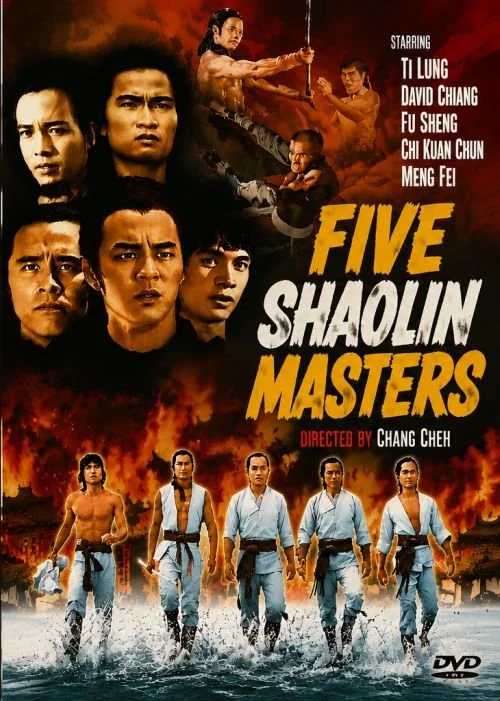
Five Shaolin Masters is a strong first choice for viewers who want a traditional Shaolin story with enough scale to feel like an adventure. Its five survivors give the film a built-in sense of variety. Instead of asking one hero to carry every scene, it follows a group whose shared history sends them into different dangers and different tests of character.
The draw is not simply the number of fighters. The film makes loyalty and training matter to the story. A destroyed temple is not background decoration. It gives the characters something to preserve, avenge, and pass on. That makes the action feel purposeful even for a viewer who is still learning the faces and names on screen.
Start here when you want a broad doorway into the studio's Shaolin side. It offers group energy, familiar stakes, and the satisfaction of watching several fighters bring different strengths to the same larger problem. If the shared purpose is what lands for you, follow it with another school or family story rather than jumping immediately to the most complicated plot on the shelf.
2. Heroes of the East (1978)
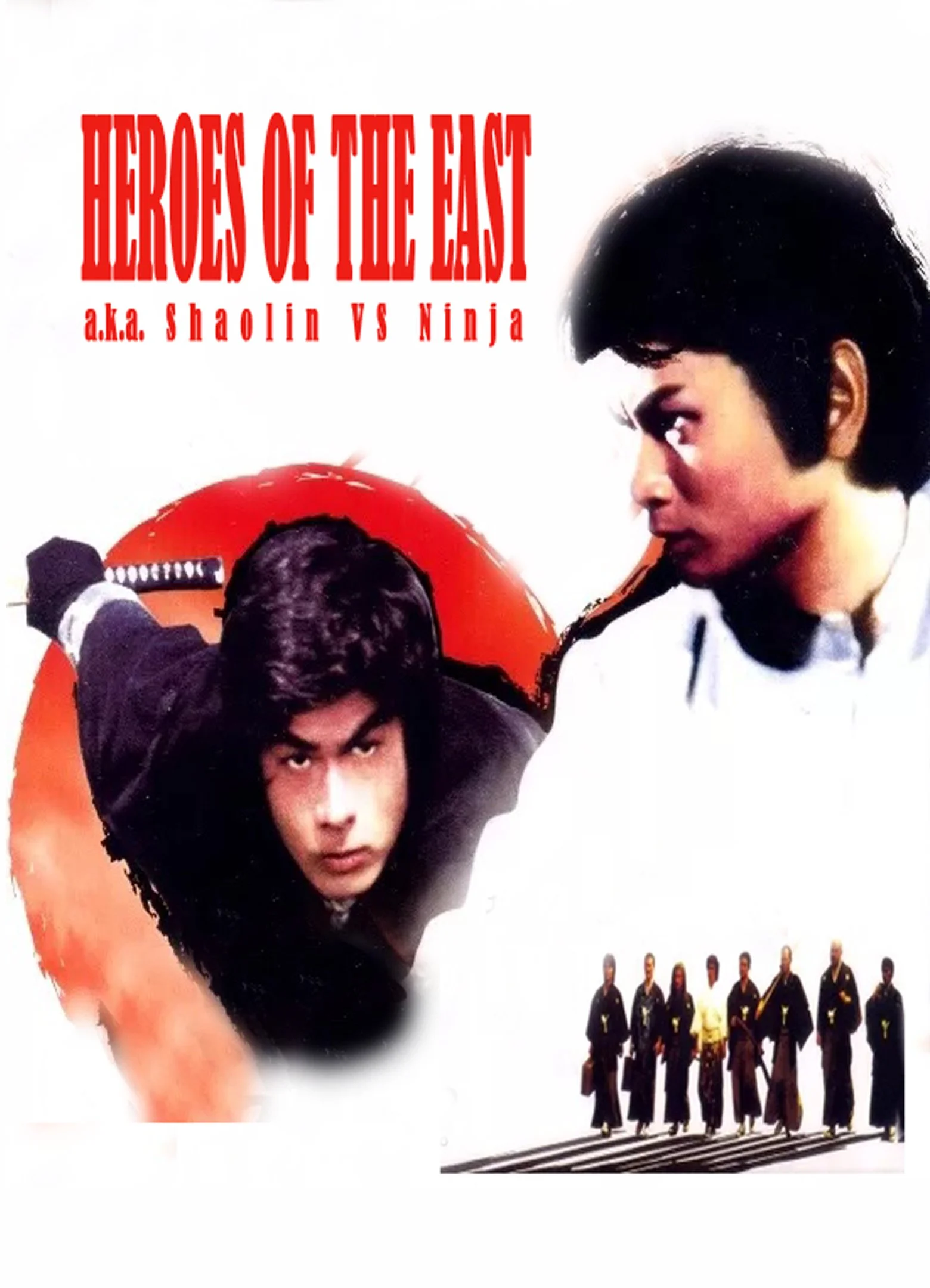
Heroes of the East is the best choice when you want the different ways of fighting to be part of the conversation. Gordon Liu plays a Chinese kung fu practitioner whose marriage to a Japanese martial artist brings competing assumptions and methods into the same home. The premise is lively, but it also gives every later confrontation a clear dramatic purpose.
This is a particularly friendly entry point because you can understand the stakes without knowing the name of every technique. One fighter's habits create a blind spot. Another approach asks a different question. The pleasure comes from watching certainty turn into curiosity, then watching a proud fighter learn that respect is more useful than stubbornness.
Pick this if you want competition without an especially grim revenge plot. It has humor, character, and a clear sense of progression, which makes it a good bridge between a beginner-friendly kung fu movie and the more theatrical extremes of the Shaw Brothers catalog. For a broader primer on why personality and movement work so well together in Hong Kong action, Criterion's Hong Kong action collection is useful extra context.
3. Clan of the White Lotus (1980)
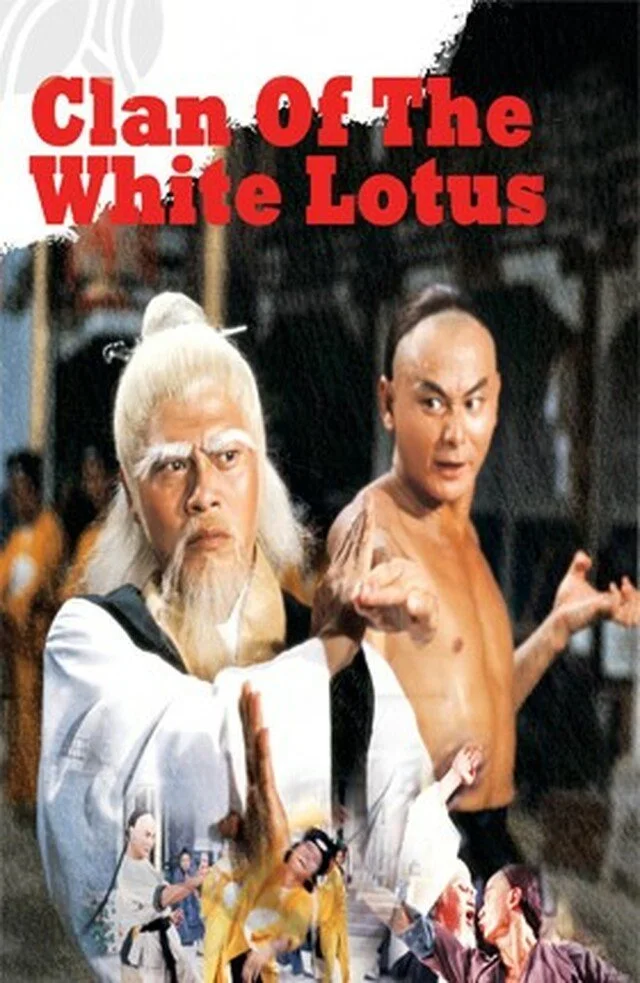
Clan of the White Lotus is for the viewer who likes a clear problem and wants to see the solution earned. Gordon Liu faces an opponent whose method cannot be answered by simply trying harder. That gives the film the satisfying shape of a real martial arts story: the hero has to observe, change, and learn a technique that meets the challenge on its own terms.
That is one of the most dependable pleasures in classic kung fu. The villain's advantage should be visible enough to create suspense, but strange enough that the answer does not arrive too easily. You do not have to be a martial artist to feel the progress. The film shows a limitation, gives it weight, then lets practice and creativity turn into a payoff.
Choose this when you want a focused revenge-and-training path. It is less about mapping an enormous martial world and more about the direct satisfaction of watching a character work toward an answer. When that format clicks, the old-school kung fu collection has more films built around schools, methods, and fighters who cannot rely on their first instinct.
4. The Killer Clans (1976)
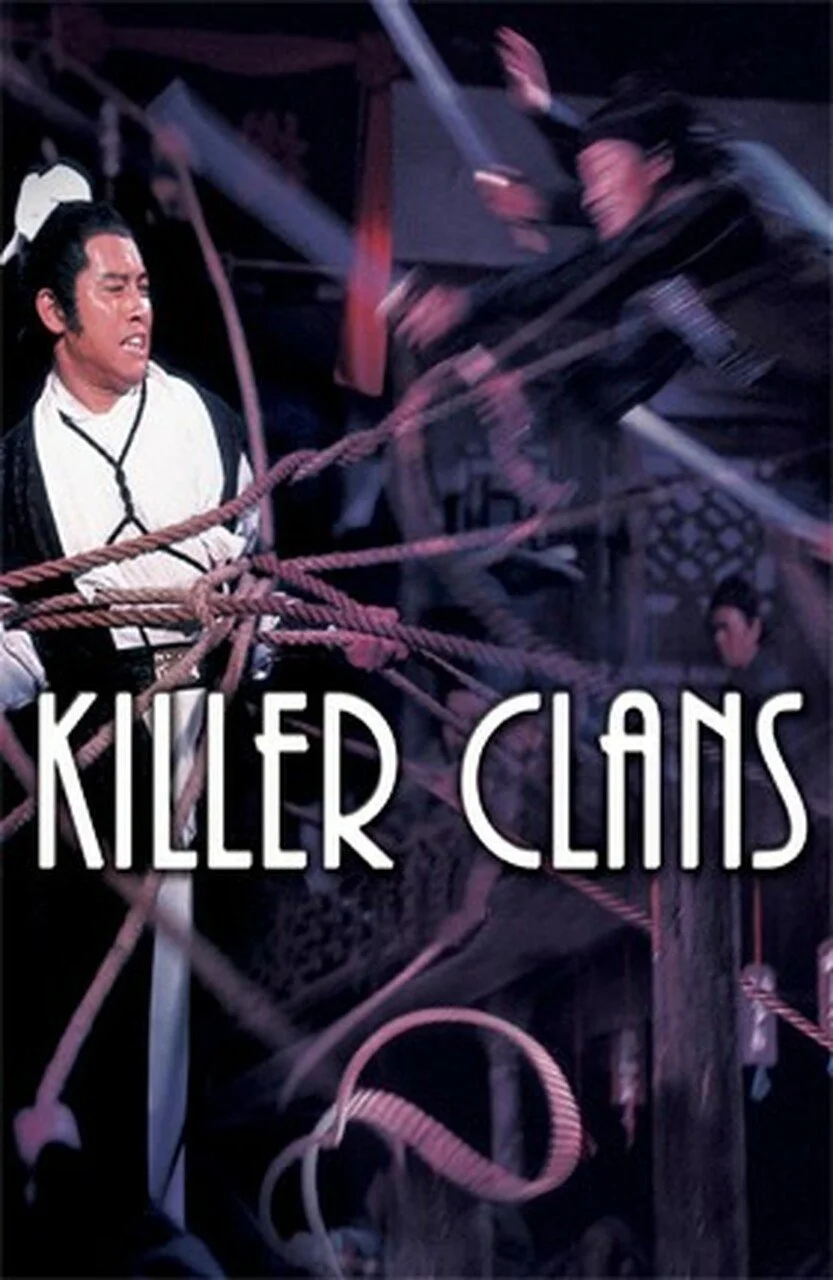
The Killer Clans is the right move when a martial arts movie needs a little more mystery in its blood. Rival groups, masks, secret identities, and changing loyalties make the plot feel like a puzzle you are invited to solve while the fights keep the pressure on.
Its pleasure is different from a straightforward training picture. You are not only asking whether the hero can win. You are asking who has been truthful, who has been directing the action from the shadows, and what each revelation changes about the next alliance. The heightened sets and costumes do not distract from the story. They help make the world feel like a place where everyone has an angle.
Start with this one when you like a film to keep a little distance between you and the answer. It is ideal for a viewer who enjoys secret societies, elaborate traps, and the sense that a polite conversation might become a duel at any moment. If that mix of blades and shifting motives is what you want more of, browse the swordplay collection after the credits.
5. Five Element Ninjas (1982)
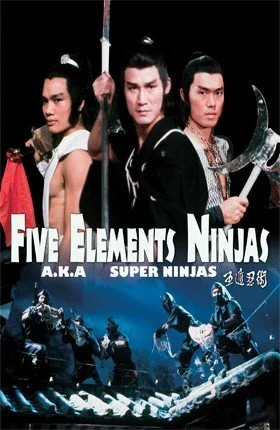
Five Element Ninjas is the choice for a viewer who wants Shaw Brothers at its most outrageous and inventive. The title is a promise. Every new method, weapon, or opponent gives the film another visual problem to solve, and the story uses that escalation as the engine of its action.
This is not the quietest place to start. It is the film to choose when you want costumes, traps, stylized threats, and a world where a fight can become a puzzle without warning. The environment matters. A room, a bridge, a piece of armor, or a sudden change in terrain is not just scenery. It changes what a fighter can do and what the audience needs to notice.
That controlled excess is a big part of why the studio remains fun to explore. The best spectacle has rules, even when the rules are wild. Once you realize each threat is asking a distinct question, the movie becomes easier to read and more rewarding to revisit. Choose it after a direct training story if you want to see how far the same tradition can stretch without losing its sense of choreography.
6. Shaolin Prince (1982)
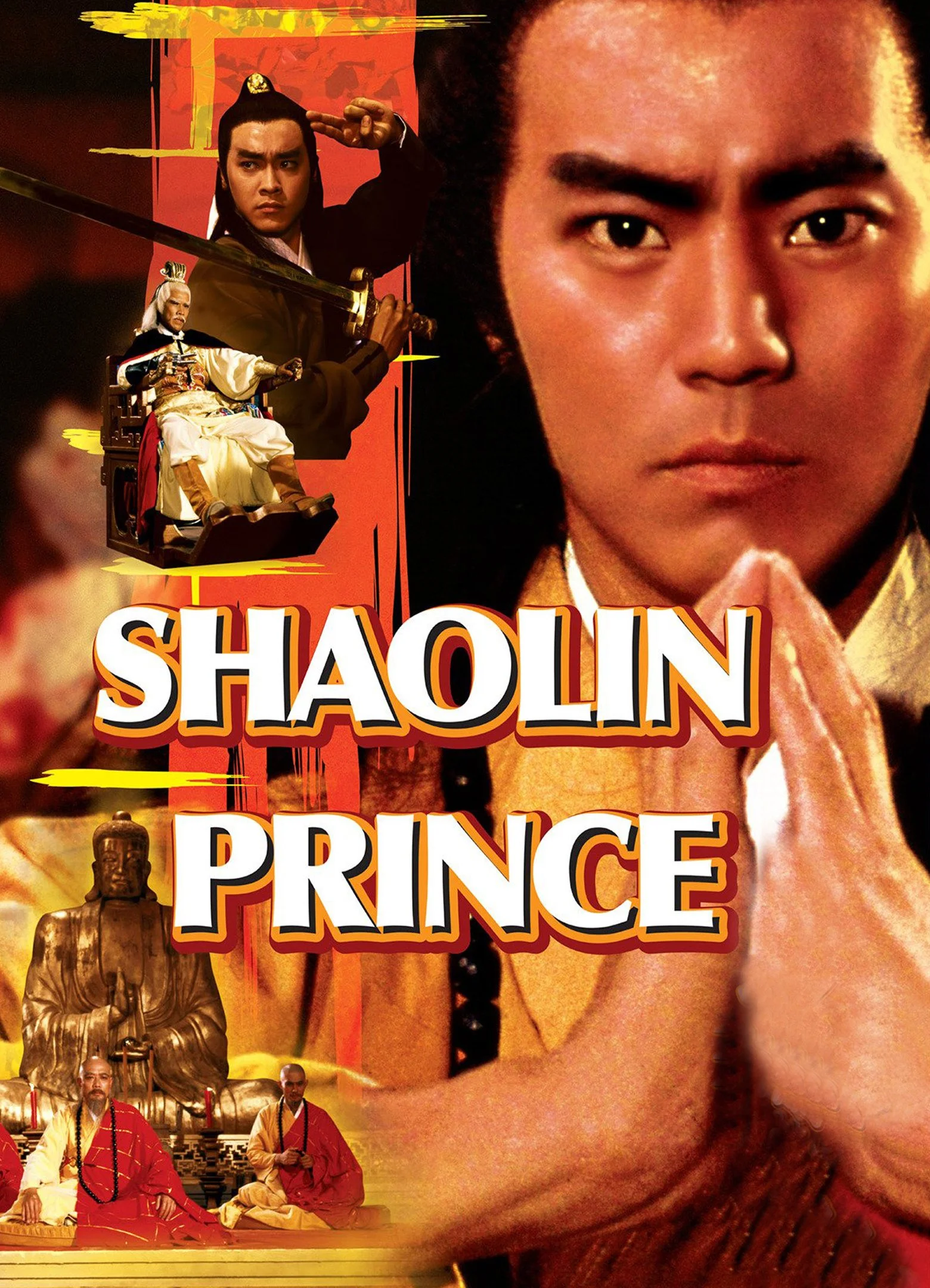
Shaolin Prince is for a viewer who wants a larger story around the fights. A stolen throne, hidden identities, and questions of inheritance give the action an adventurous sweep. The martial arts are still central, but they are part of a tale with court intrigue, danger on the road, and characters who have reasons to conceal who they are.
This makes it a useful pick when you want more plot without moving all the way into a dense mystery. The story offers an easy emotional hook, then lets the world get broader around it. A threat to a throne means the characters are not merely settling a private score. Their choices can change the balance of the whole story.
Pick Shaolin Prince for an evening when a straightforward school rivalry sounds too small. It keeps the studio's love of stylized action, but it opens the frame to include adventure and dynastic stakes. That is often the pleasure of a good Shaw Brothers film: a fight can be immediate and physical while still feeling connected to a much larger world.
7. The Water Margin (1972)
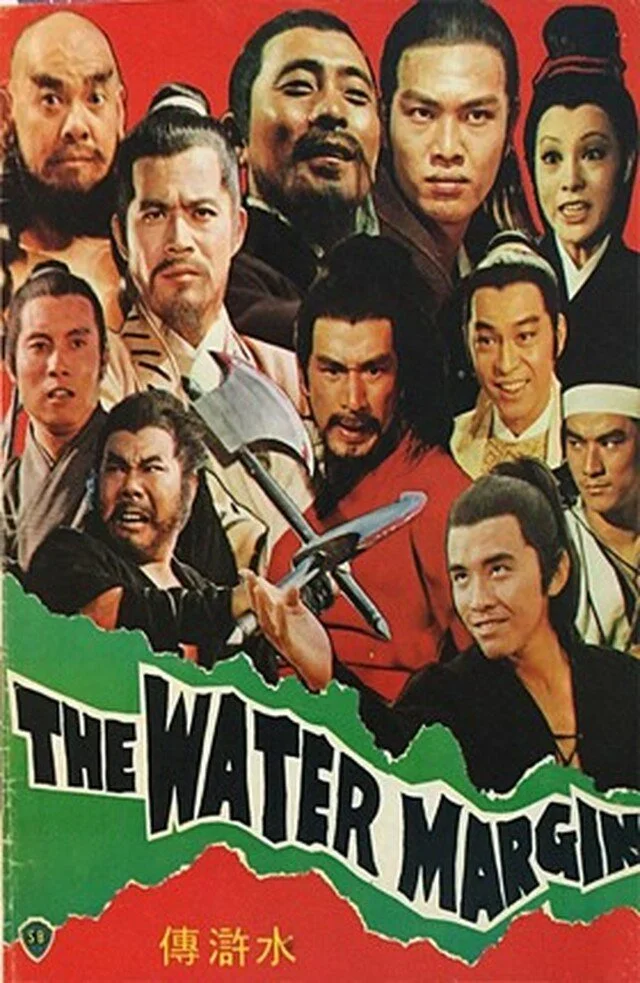
The Water Margin is the choice for a viewer who wants an ensemble with real weight behind it. Its story of heroes standing against corruption gives the film a sense of shared purpose. The cast, the shifting loyalties, and the larger conflict all matter, so the action feels connected to a community rather than a single fighter's personal test.
That makes it an especially good fit for someone who enjoyed the group spirit of Five Shaolin Masters but wants a different kind of scale. Here the interest is in how many characters can contribute to a larger fight, and how a collection of personalities can hold together when pressure comes from outside as well as within.
Choose it when you want an older studio adventure that feels expansive without asking you to become an expert first. Start by following the immediate conflict, then let the larger web of characters develop around it. If you find yourself drawn to the cast as much as the choreography, that is a useful signal to keep exploring ensemble stories and titles tied to favorite performers.
Build your next watch from the part you liked
The fastest way to get more from Shaw Brothers is to make the next choice specific. Loved the student becoming capable? Stay with training stories and rival schools. Liked the visual overload of Five Element Ninjas? Follow the odd weapons, dangerous rooms, and heightened villains. Liked the suspicious glances in The Killer Clans? Keep moving through swordplay, clan intrigue, and heroes who are never quite sure who is telling the truth.
This is also the point where the catalog becomes more useful than a generic list. Cinema Kung Fu's Shaw Brothers DVD guide gives you a collector-minded path through familiar entry points and less expected detours. The full Shaw Brothers collection is where to browse once you know whether you are after a Shaolin story, a mystery, a large-scale adventure, or something proudly strange.
Before choosing an unfamiliar release, check the individual listing and the Disc Guide. Alternate titles are common in martial arts cinema, and rare releases can vary in source quality. Matching the title, story, and format to what you want to watch is more useful than buying blindly from a studio name alone.
Make the first shelf feel intentional
A good first Shaw Brothers run does not need to be seven versions of the same story. Try one clear training or style-clash picture, one mystery, and one larger adventure. That gives you a better sense of the studio's range and makes the connection between titles easier to feel. Start with Heroes of the East when you want a clean, welcoming entry. Follow it with The Killer Clans when you want the plot to turn more secretive. Then move to Five Element Ninjas when you want the visual volume turned all the way up.
There is also value in leaving space between films. A first watch can be about momentum, favorite performers, and the sheer surprise of a final confrontation. A return visit can be about what the film set up early, where the action changed the emotional balance, or how a room was used to make an opponent look dangerous. These movies often reward another look because the choreography and story are doing more work together than they first appear to be.
Most importantly, let the choice stay enjoyable. The point is not to prove that you have seen the required titles. It is to find the particular branch of martial arts cinema that makes you want to pull another case off the shelf. A great first Shaw Brothers movie is not a finish line. It is a clue.
The short version
Start with Five Shaolin Masters for an ensemble Shaolin adventure. Pick Heroes of the East for a friendly clash of styles. Choose Clan of the White Lotus when you want training to lead to a hard-earned answer. Go to The Killer Clans for a swordplay mystery, Five Element Ninjas for maximal spectacle, Shaolin Prince for a larger adventure, and The Water Margin for a broad story of heroes with a shared cause.
The best Shaw Brothers movie for you is the one that gives you a useful clue for the next one. Follow the teacher, the weapon, the actor, the kind of story, or the mood that sticks. That is how a famous studio stops being a category and becomes a shelf you actually want to keep exploring.
Frequently asked questions
What is a good first Shaw Brothers movie?
Start with the experience you want. Five Shaolin Masters is a clear first step for a group Shaolin story, Heroes of the East is an easy pick for a lively clash of styles, and Five Element Ninjas is the move when you want color, traps, and full studio spectacle.
Are Shaw Brothers movies all kung fu movies?
Not quite. The studio made kung fu films, swordplay stories, historical adventures, mysteries, and hybrids that pull from several traditions. Some films center training and hand-to-hand technique, while others put blades, hidden identities, or a large cast of rival factions at the center.
Why do Shaw Brothers movies look so different from one another?
The studio worked across several modes of martial arts storytelling. A training picture can be direct and physical, while a swordplay mystery can use ornate interiors, masks, and changing allegiances. That variety is why it helps to choose a first film by mood instead of trying to find one title that represents everything.
Where should I go after a first Shaw Brothers movie?
Follow the element that worked for you. If you liked training and rival schools, continue through the old-school kung fu collection. If the secrets, blades, and larger martial world were the draw, browse swordplay. If you want another studio-era title without guessing, the Shaw Brothers collection keeps several useful paths together.
Related posts

Kung Fu Film Guides
Classic Kung Fu Movies: How to Choose Your First
A collector's guide to finding the right first classic kung fu movie, from training stories and rival schools to wild late-1970s action.
Read the guide ›
Kung Fu Film Guides
9 Best Kung Fu Movies to Watch Tonight
Looking for the best kung fu movies? Start with nine great picks, from training stories and school rivalries to wild Shaw Brothers action.
Read the guide ›
Kung Fu Film Guides
7 Best Kung Fu Comedy Movies for Your Next Watch
Seven kung fu comedy movies to start with, from Jackie Chan action comedy to oddball training stories and late-1970s deep cuts.
Read the guide ›Kung Fu Film Guides
7 '80s Martial Arts Films Worth Watching Tonight
A collector's route through 1980s martial arts films, from traditional kung fu and stunt comedy to hard-edged Hong Kong action.
Read the guide ›