Kung Fu Film Guides
7 Best Kung Fu Comedy Movies for Your Next Watch
Seven kung fu comedy movies to start with, from Jackie Chan action comedy to oddball training stories and late-1970s deep cuts.

Kung fu comedy movies work because the fights are not treated as a solemn test of toughness. A hero trips over a lie, gets caught in a bad disguise, meets a teacher who seems ridiculous, or finds out that a cocky shortcut has made everything worse. The laugh is part of the setup. It gives the next movement, escape, or sudden reversal somewhere to land.
That does not make the action lightweight. Quite the opposite. Comedy asks the performers to be precise. A badly timed reaction ruins a joke just as surely as a badly framed strike ruins a fight. When the rhythm is right, a movie can make a crowded room, a food cart, a loose bench, or an arrogant rival feel like a piece of choreography waiting to happen. The British Film Institute's guide to great kung fu films makes room for the genre's very different pleasures, while Criterion's Hong Kong action collection puts martial arts comedy alongside harder-edged classics for good reason.
This is not a fixed all-time ranking. It is a viewing route through seven real Cinema Kung Fu releases, chosen for the kind of comic energy they bring to the screen. Start with the mood you want tonight: a clumsy underdog, a pair of hustlers, a drunk-style training story, a warm throwback, or Jackie Chan and friends trying to stay one step ahead of the trouble.
Best first pick: Meals on Wheels for Jackie Chan, Yuen Biao, Sammo Hung, and an easy-going action-comedy rhythm.
For a stranger training story: Dance of the Drunk Mantis for eccentric teachers, awkwardness, and a style that turns into an advantage.
For a deeper cut: Knockabout for hustlers, friendship, and a sharper final turn.
What to look for in a kung fu comedy
The easy mistake is to expect a martial arts comedy to be nothing but jokes between fights. The better films connect their humour to the problem the hero must solve. A show-off has to learn humility. A hustler has to face the consequences of a scam. A student must stop copying moves and start understanding them. A character who looks hopeless in the first act becomes compelling because the movie has found a funny, physical way to show the gap between who they are and who they need to become.
Watch for props and spaces that invite invention. A classic kung fu comedy may use a table, a cart, a teahouse, a doorway, or a crowded street as more than background. The performer has to negotiate the obstacle, not simply punch through it. That is why the best sequences feel playful even when the danger is real. You can see the joke, the problem, and the answer developing in the same piece of movement.
It also helps to choose by tolerance for silliness. Some films stay breezy for most of their running time. Others begin as scrappy comedies, then earn a heavier final act once the hero has something genuine to lose. Neither is better. The important question is whether you want a relaxed good-time watch, a training story with eccentric edges, or a movie that lets the laughs carry you into a serious showdown.
How to choose your first one
Pick a student story when you want a clean arc and a lot of personality. Pick a buddy picture when you want sparring, scamming, and friendship before the action tightens. Pick an older late-1970s title when you want the pleasure of a strange premise, an oddball technique, or a movie that seems to have been named after the moment someone dared the filmmakers to make it work.
For the most accessible route, start with a familiar star or a simple setup. Jackie Chan, Sammo Hung, and Yuen Biao are a natural entry point because their physical styles make the story legible even when the plot starts to twist. Criterion's page for Police Story is a useful reminder that Chan's screen persona was built around speed, risk, and comic problem-solving, not just hard impacts. Then move into the deeper cuts when you want the same spirit in a rougher, stranger, more collector-minded form.
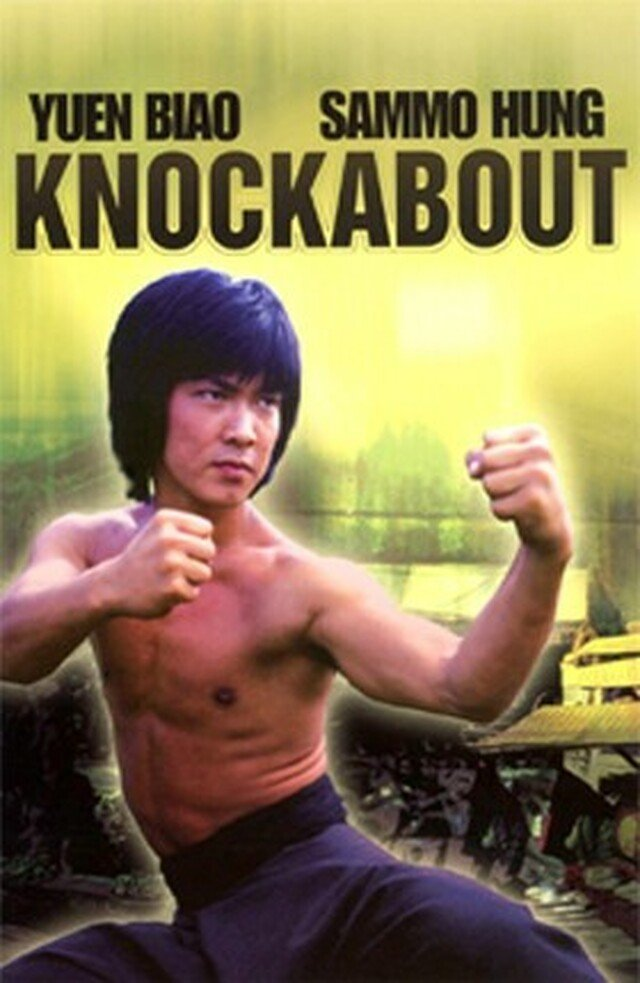
1. Knockabout (1979)
Knockabout is the right first pick when you want the comedy to come from two people who are never quite as clever as they think they are. The story begins with Yipao and Taipao, two down-at-heel conmen, looking for a way to get ahead. Their attempts to learn kung fu put them in the path of a teacher who is not what he seems, and the film gradually turns that loose, mischievous setup into a much sharper test of loyalty and survival.
Its comic strength is the contrast between swagger and ability. The characters know how to talk, pose, and chase an advantage. The action keeps asking whether any of that will help when a real threat arrives. When the story darkens, it has earned the shift because you have already spent time with the pair and understand how their rhythm works together.
Choose this for a buddy movie with a real arc behind the silliness. It is especially satisfying if you enjoy a comedy that does not stay weightless forever, and it is a strong route into more Sammo Hung, Yuen Biao, and late-1970s kung fu once the final act lands.
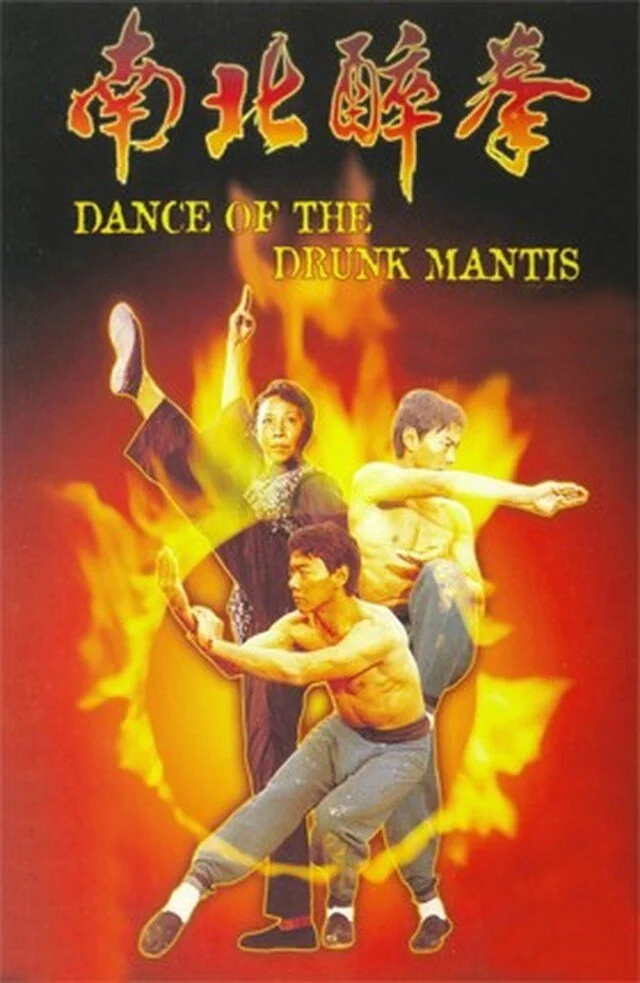
2. Dance of the Drunk Mantis (1979)
Dance of the Drunk Mantis is for the viewer who wants an eccentric training story. Foggy is not the pupil his father expects, so his education takes an indirect route through an uncle, Drunken Fist, and an opponent who combines that style with Mantis Fist. That setup is exactly the kind of thing a kung fu comedy can enjoy: the hero looks like a bad fit for discipline until the movie reveals the particular rhythm that makes sense for him.
The appeal is not a lecture about technique. It is the way awkwardness becomes useful. A character who looks off-balance can turn that impression into a tactic. A teacher who seems unserious can hide a precise lesson. Comedy makes the transformation easier to enjoy because every early mistake sets up a later answer.
Pick this when you want a film with a distinct flavour, rather than a standard revenge picture with a few gags added on. If the drunken-style energy works for you, follow it with Drunken Master Slippery Snake for another off-kilter training route.
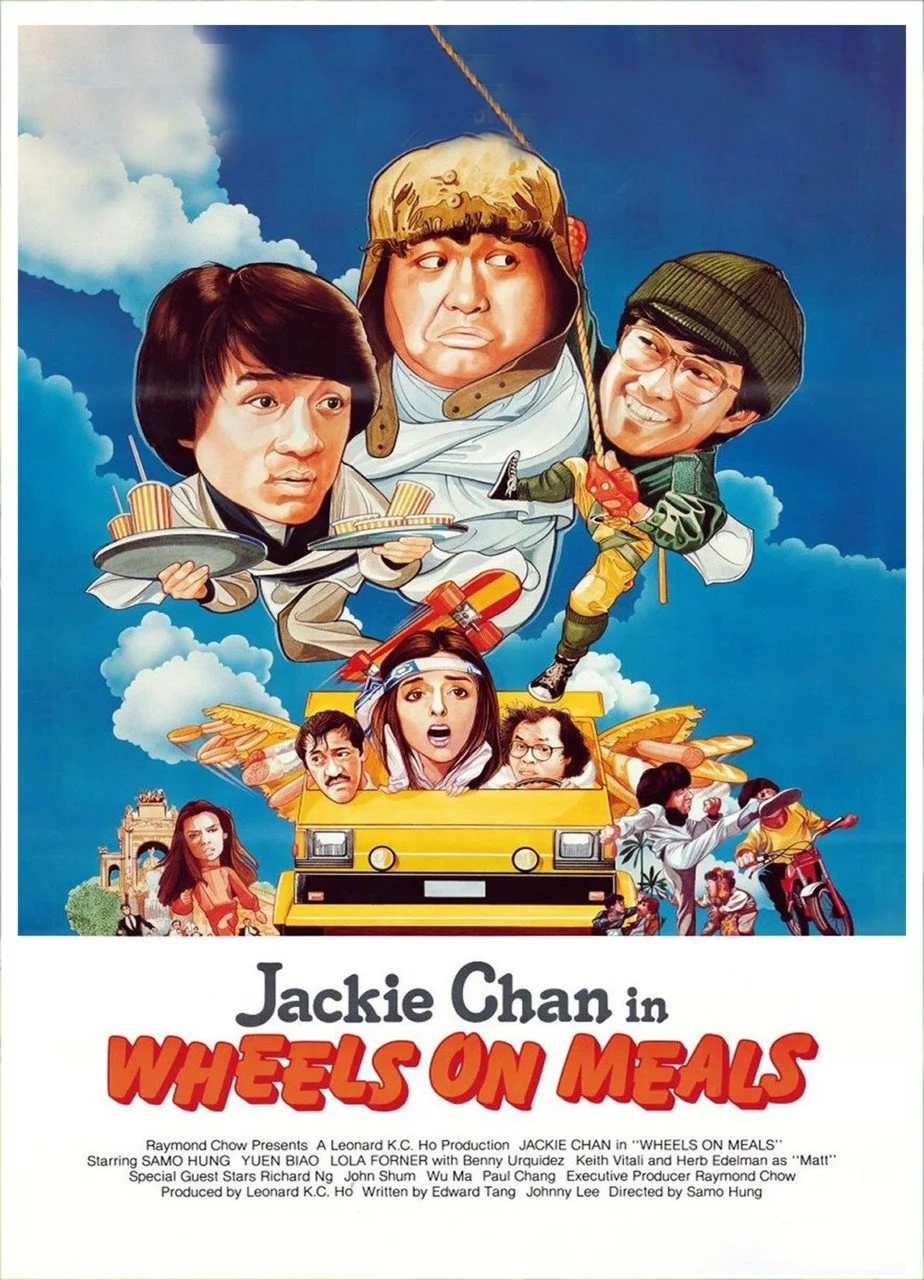
3. Meals on Wheels (1984)
Meals on Wheels is the obvious choice when you want a big, friendly star vehicle. Jackie Chan plays Thomas, who runs a food truck with his friends. When they get pulled into a kidnapping plot, the delivery routine becomes a route into action, romance, friendship, and a lot of physical business that can only happen when a group of people are trying to keep a small operation from falling apart.
The food-truck premise matters because it gives the comedy a physical home. This is not humour pasted onto a generic quest. The characters have jobs, routines, and a cramped mobile space that can turn into trouble at any moment. Chan, Yuen Biao, and Sammo Hung bring different kinds of movement to the screen, which means even a small disagreement can have its own rhythm before the stakes rise.
Choose it when you want the balance tipped toward charm, momentum, and a recognisable ensemble. It is also a good bridge for someone who knows Chan mainly from later international hits and wants to see how Hong Kong action comedy makes everyday work, friendship, and a bad decision part of the show.
4. The Cheeky Chap (1980)
The Cheeky Chap has the kind of title that tells you what it wants to deliver. Wei Pai plays Ma, a cocky young martial artist whose own behaviour keeps drawing him into trouble. Romance, family debt, rival brothers, and a looming confrontation give the film enough plot to keep its mischief from floating away.
That sort of hero is central to kung fu comedy. The character is funny not because the movie treats him as a fool, but because his certainty keeps meeting a world that is less impressed than he is. A smirk, a boast, or a casual decision can become the setup for a physical problem that needs real skill to escape. The audience gets the pleasure of watching pride receive an answer without the film losing affection for its troublemaker.
Pick this when you want the most straightforward mischievous mood on this list. It is a practical starting point for a viewer who wants the action-comedy promise in the title, plus a full period story behind it instead of a sketchbook of unrelated fights.
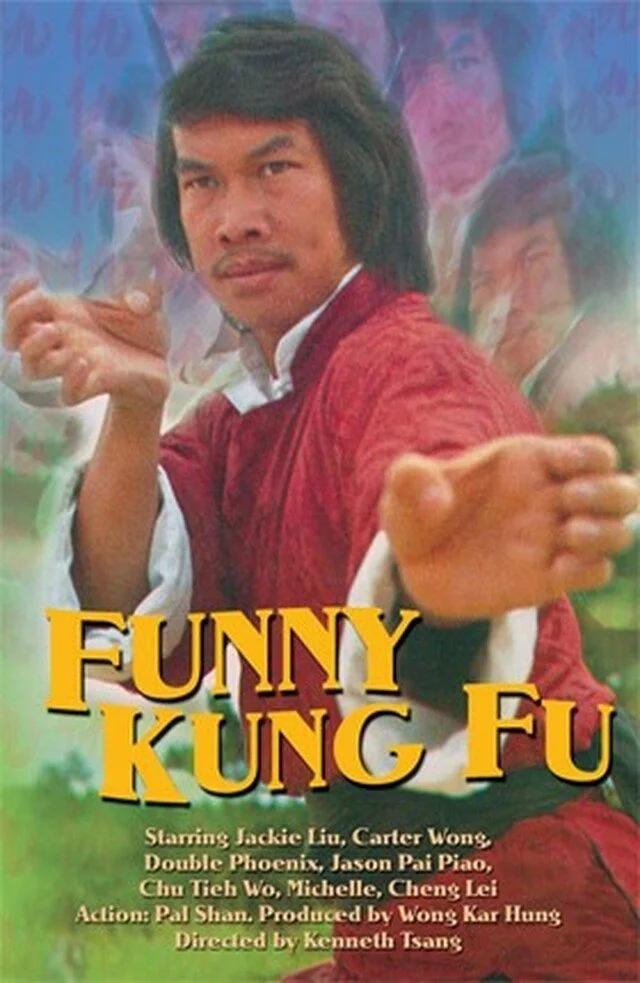
5. Funny Kung Fu (1978)
Funny Kung Fu is the scrappy underdog choice. Its young hero is obsessed with martial arts and learns every kind of kung fu he can, including homemade approaches, to drive two extortionists out of his town. The premise is unpretentious, but that is its advantage. You know exactly why the kid keeps trying, and every improvised lesson can become part of the eventual answer.
Improvisation is where comedy and choreography meet. A polished master may be impressive, but an amateur trying to turn whatever is available into a fighting solution gives the action an extra layer of surprise. You are watching someone think under pressure, make a mess, recover, and slowly find the bit of confidence that belongs to them.
Choose this when you want a straightforward late-1970s discovery rather than a prestige landmark. It pairs nicely with Cinema Kung Fu's guide to choosing a first classic kung fu movie, especially for a viewer who would rather start with personality and invention than a solemn historical tale.
6. Drunken Master Slippery Snake (1979)
Drunken Master Slippery Snake is a good choice when you want a comedy-adjacent kung fu film with a concentrated training premise. Sam the Seed takes Cliff Lok's gifted fighter on as a pupil and teaches him Beggar Fist so he can prepare for a death duel. The names alone promise an unruly ride, but the story still has the structure that makes these movies satisfying: a hero needs a new answer, a teacher has an unusual method, and a final opponent gives every lesson a reason to matter.
Do not confuse the playful title with a lack of stakes. Eccentric styles are often useful because they make a film's central problem visible. The hero cannot solve this fight with the usual posture, timing, or pride. He has to learn to move in a way that initially looks wrong, then prove why it is right for this particular enemy.
Pick this if you like the idea of a shorter, direct setup with a weird technique at the centre. It is a clean next step after Dance of the Drunk Mantis, or a good way into Cinema Kung Fu's wider kung fu collection when oddball style clashes are what you want more of.
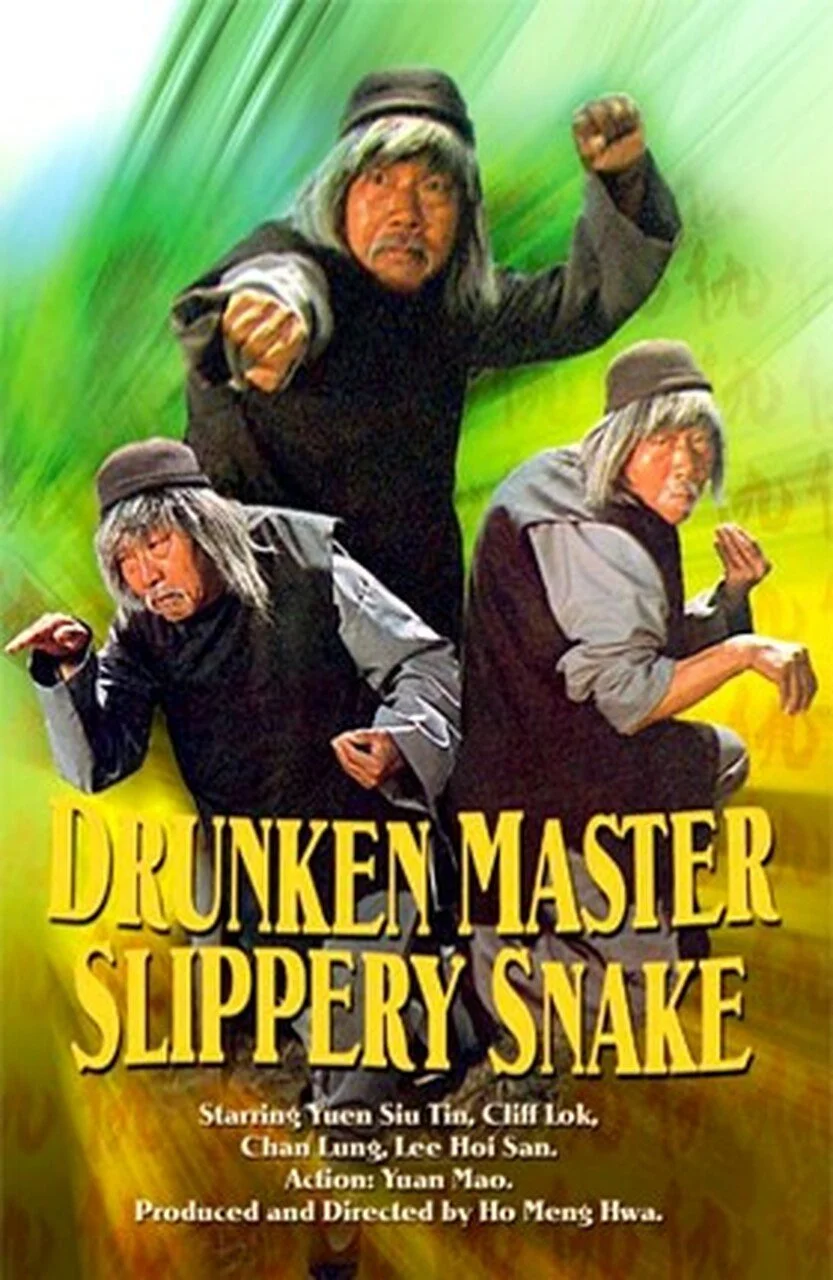
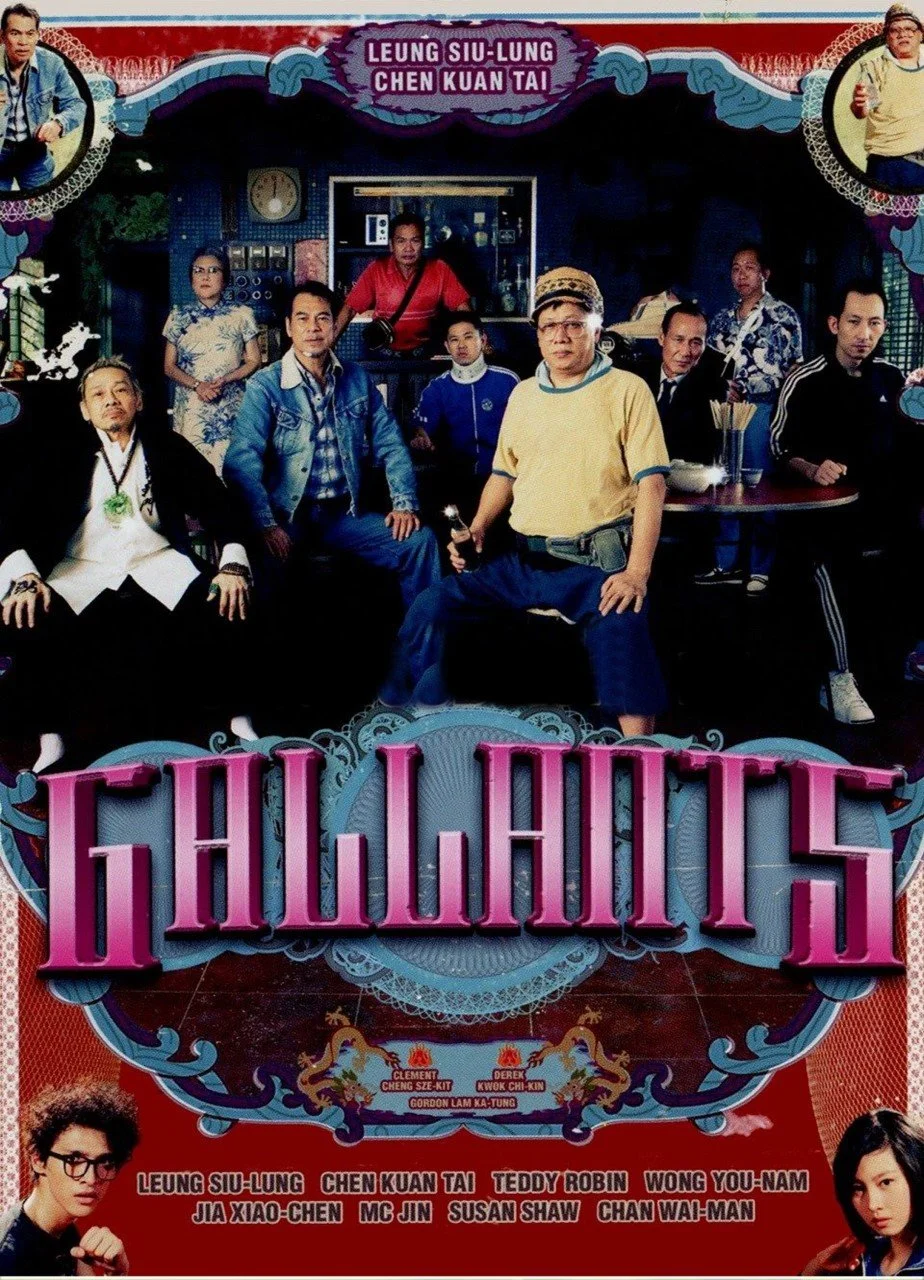
7. Gallants (2010)
Gallants is the pick for someone who already loves the older period and wants a film that plays with that affection. A weary office worker is sent to a remote village, where an old martial arts school, a teahouse, and a master who has been unconscious for decades pull him into a fight over the future of the place. The setup lets the film be affectionate, ridiculous, and surprisingly tender without pretending the past was simple.
That makes it a different kind of kung fu comedy. Instead of asking a young hero to become capable, it looks at what happens when old styles, old loyalties, and old movie energy meet a modern pressure to clear everything away. The jokes have warmth because the setting and characters have something real to protect.
Choose it when you want a more recent film with a clear connection to classic Hong Kong martial arts culture. It also makes a rewarding closer after several 1970s titles, because it gives you a chance to notice the ingredients it is honouring: stubborn teachers, mismatched pupils, local spaces, theatrical villains, and the sincere pleasure of a fight that is funny because everyone involved knows exactly how seriously to play it.
Why the comedy makes the fights better
A good kung fu comedy understands that laughter creates attention. When a character's plans keep going wrong, you begin to watch the room, the object in their hand, and the person standing behind them more closely. The final fight has more impact because the movie has taught you how the performer moves when things are not under control.
Comedy also makes room for vulnerability. A proud fighter can be intimidating, but a fighter who is embarrassed, confused, tired, or briefly defeated gives the audience another way in. The goal is not to make skill look small. It is to make improvement feel earned. A performer who can sell the failure can make the success land harder, which is why these movies often remain satisfying after you already know the outcome.
That is the thread connecting the films above. The setups are different, from a food truck to a village teahouse to a student facing a strange style. In every case, the comic pressure is part of the dramatic pressure. The hero must adapt, and the action gives that adaptation a visible shape.
The rhythm behind a great action comedy
There is a useful pattern to watch for once you have seen a few kung fu comedies. First, the movie establishes a problem that is small enough to laugh at but large enough to matter. A hero needs money, wants to impress somebody, hides a mistake, or assumes they can outsmart a rival. Then the situation starts exposing the limits of that plan. The joke is not only that someone falls over. It is that their usual way of moving through the world no longer works.
Next comes the turn. A loose gesture becomes a real technique. A teacher's strange instruction becomes a lesson the pupil finally understands. A prop that seemed like clutter becomes the only way to escape a corner. This is where the great performers make comedy feel like choreography. Timing is not separate from fighting. A pause before a reaction can be as precise as a kick, and a performer who is always aware of the next obstacle can make a crowded frame feel alive.
Finally, the best films pay off the silliness without apologising for it. The hero does not suddenly become a completely different person in the final reel. Instead, the qualities that made them funny, stubbornness, nerve, appetite, cheek, or the willingness to try something unorthodox, become useful once they are paired with real discipline. That payoff is why a comic kung fu film can end on a genuinely exciting fight. You have seen the performer struggle to find the rhythm, so you understand what it costs to hold it under pressure.
It is also why physical comedy belongs so naturally in Hong Kong action cinema. The performer must be able to tell the audience where the danger is, what the character wants to do, why the first attempt fails, and how the next attempt improves. A wild sequence is satisfying when all those ideas remain clear. You do not need to know the name of every move. You only need to understand the problem and feel the moment when the character finds an answer.
That clarity is a good way to choose what to watch next. If you like the slow build from humiliation to competence, stay with teacher-and-pupil stories. If you enjoy the messy energy of two people trying to solve a problem together, follow buddy pictures. If a goofy title and an improbable style are the draw, keep heading into late-1970s oddities. The films may be unruly, but the good ones are rarely careless. Their comic timing is a way of making the action easier to enjoy, not a distraction from it.
How to keep the run going
Try a three-film run instead of hunting for one definitive answer. Start with Meals on Wheels when you want a star-driven entry. Follow it with Knockabout for a rougher, more emotionally pointed buddy story. Then go to Dance of the Drunk Mantis when you are ready for an eccentric training movie where the style itself is half the joke.
Or go smaller and stranger. Pair Funny Kung Fu with Drunken Master Slippery Snake, then finish with The Cheeky Chap. That route is less about famous names and more about the particular pleasure Cinema Kung Fu does well: finding the title that would never appear on the same recycled beginner list, then discovering it has a sharper personality than its modest reputation suggests.
Before ordering an unfamiliar release, read the individual listing and the Disc Guide. Alternate titles are common in martial arts cinema, and the format matters with rare material. A few clear details about the story, edition, and player compatibility make a blind buy much less blind. When you want to keep browsing, the kung fu comedy shelf and the broader kung fu section are the useful next stops.
The short version
Start with Knockabout for hustlers, friendship, and a hard-earned final turn. Choose Dance of the Drunk Mantis or Drunken Master Slippery Snake for eccentric training. Pick Meals on Wheels for Jackie Chan, Yuen Biao, Sammo Hung, and a generous action-comedy mood. Go with The Cheeky Chap or Funny Kung Fu when a scrappy late-1970s underdog story sounds right. Save Gallants for a warm, knowingly comic look back at the tradition.
There is no need to chase the exact same mood every time. A lighter first watch can make a more serious follow-up feel sharper, and an oddball training story can send you toward a more traditional school rivalry. Let the part that made you laugh guide the next pick. That instinct is more useful than a checklist, especially when the titles on a martial arts shelf are unfamiliar and the most memorable discoveries rarely arrive with a famous name already attached.
The best kung fu comedy movie is the one whose particular kind of chaos sounds fun tonight. Follow the actor, the odd style, the teacher, the duo, or the local setting that sticks with you. That is the fastest way from one good laugh to a shelf of films you actually want to revisit.
Frequently asked questions
What makes a kung fu movie a comedy?
Kung fu comedy uses character, timing, mistakes, reversals, and physical inconvenience as part of the action. The best examples do not stop the story for a joke. A failed stunt, a proud hero, an eccentric teacher, or an improvised object changes how the fight unfolds.
Are kung fu comedies good for first-time viewers?
Yes. They are often an easy way into classic martial arts cinema because the personality and story shape are immediately readable. Start with a film whose setup appeals to you, such as a pair of hustlers, an unruly student, or a food-truck adventure, then let its comic rhythm lead you into the fights.
Do kung fu comedies still have serious fights?
They do. The humour usually makes the serious moments sharper because the viewer has spent time with the performers and understands their rhythm. A good action comedy can move from a pratfall to a genuinely tense showdown without feeling confused.
Where can I find more classic kung fu movies after these?
Use the part you liked as your next filter. Follow an actor, a teacher-and-student story, a drunken-style film, a Sammo Hung performance, or a stranger late-1970s title. Cinema Kung Fu's kung fu collection and Disc Guide make it easier to match an unfamiliar release to the kind of movie you want.
Related posts

Kung Fu Film Guides
Classic Kung Fu Movies: How to Choose Your First
A collector's guide to finding the right first classic kung fu movie, from training stories and rival schools to wild late-1970s action.
Read the guide ›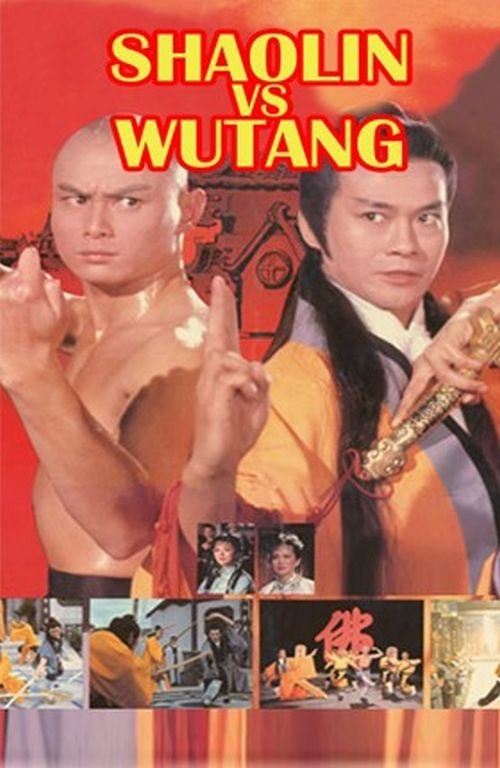
Kung Fu Film Guides
9 Best Kung Fu Movies to Watch Tonight
Looking for the best kung fu movies? Start with nine great picks, from training stories and school rivalries to wild Shaw Brothers action.
Read the guide ›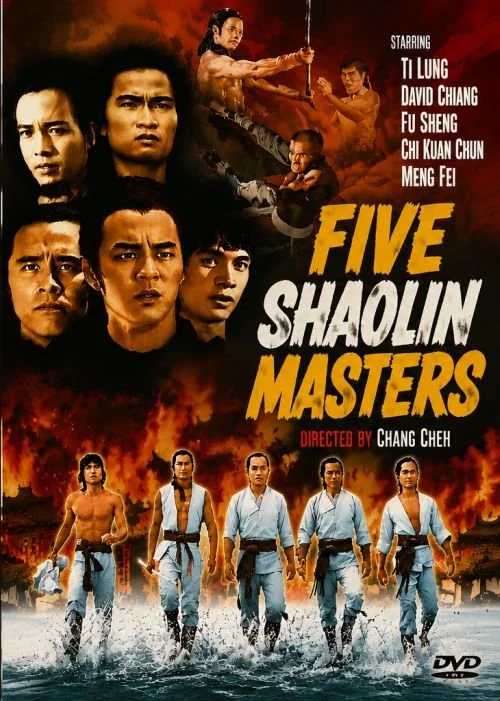
Kung Fu Film Guides
7 Best Shaw Brothers Movies for Your First Watch
A practical route into Shaw Brothers movies, from training stories and clan mysteries to swordplay spectacle.
Read the guide ›Kung Fu Film Guides
7 '80s Martial Arts Films Worth Watching Tonight
A collector's route through 1980s martial arts films, from traditional kung fu and stunt comedy to hard-edged Hong Kong action.
Read the guide ›