Kung Fu Film Guides
Classic Kung Fu Movies: How to Choose Your First
A collector's guide to finding the right first classic kung fu movie, from training stories and rival schools to wild late-1970s action.

Classic kung fu movies are not one thing. One may be a fast, funny underdog story. The next may be a hard-edged tale of revenge, a showdown between rival schools, or a patient training story where a small lesson pays off in the last fight. That range is the point. The best first choice is not necessarily the title with the most famous name. It is the film whose kind of action sounds good to you tonight.
For a new viewer, the huge number of titles, alternate names, and unfamiliar performers can make a classic Hong Kong film shelf look like a test. It is not. Start by deciding what you want the movie to deliver: a clear hero's journey, a clash of styles, a more mischievous late-1970s ride, or a tense story of loyalty and retaliation. Once you know that, the fights become easier to read and the next title is easier to choose.
This guide gives you a practical way to pick your first classic kung fu movie, then points toward a few real releases in the Cinema Kung Fu collection. It is about finding a doorway, not completing a checklist.
What makes a classic kung fu movie click
A classic kung fu film tends to make skill part of the drama. The action is not there simply to fill time between plot points. A character needs to learn something, overcome a limitation, understand a rival's method, or find a way to use their own strengths with more discipline. The final fight matters because the movie has taught you what the fighter is trying to solve.
That can mean a formal teacher-and-student story, but it does not have to. A character can learn from a family tradition, a rival, an injury, a new weapon, or the consequences of being too proud. The underlying question stays satisfying: can this person change enough to meet the challenge in front of them? The most memorable screen fighting feels direct because movement reveals character as well as force.
That is also why these films reward a second watch. The first time through, it is easy to enjoy the impact of a clean kick, a crashing weapon, or an impossible leap. On the next pass, the choices become clearer: who gets space to move, who waits, who rushes, and how a master changes a student's instincts. Classic kung fu movies are direct entertainment, but the good ones are built with enough discipline to keep revealing more.
There is also a particular pleasure in watching styles collide. One fighter may rely on strength, another on speed, reach, footwork, timing, or deceptive rhythm. You do not need formal training to follow the idea. The film lets you see the problem, then waits for the hero to find an answer. That is why a good training sequence can be as entertaining as the payoff.
Start with the story shape you enjoy most
Choose a training story for a satisfying payoff
A training story is the easiest first route when you want a clear arc. Watch the hero begin with a weakness, make mistakes, learn a discipline, and carry that lesson into the final confrontation. The pleasure is cumulative. A move or exercise that looked strange early on becomes meaningful once you understand what it prepared the fighter to do.
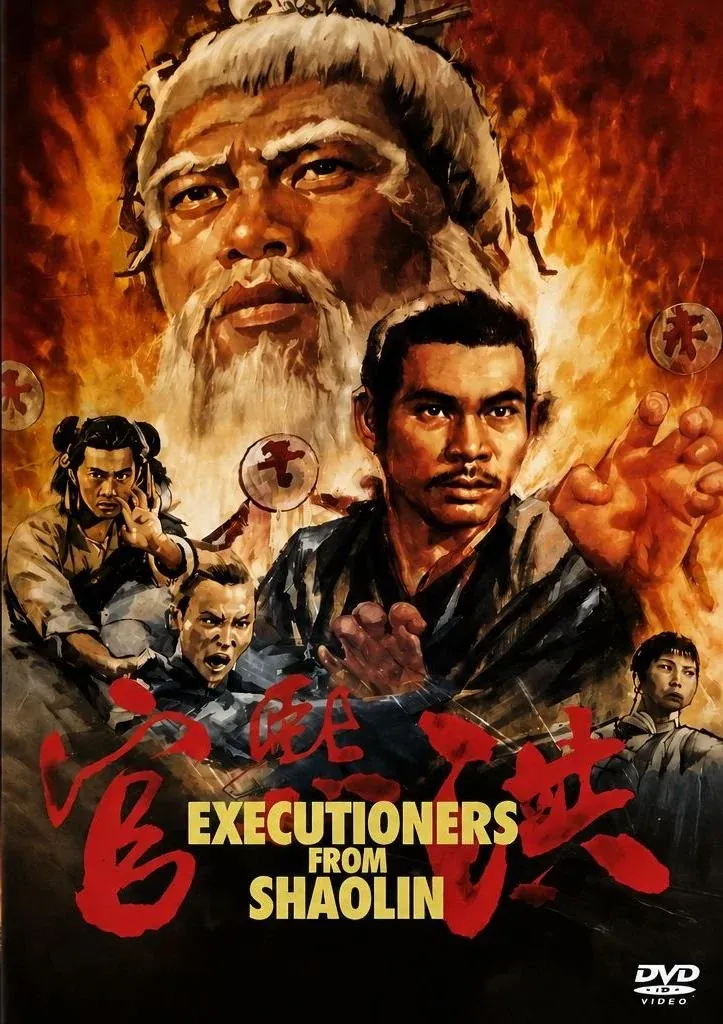
Executioners from Shaolin is a strong example of why this structure endures. Its conflict turns on the contrast between Tiger and Crane styles, then makes that contrast personal through family, loss, and vengeance. The film is a good pick when you want the story to make the style difference easy to feel before the decisive fight arrives.
Choose a rivalry when you want the action to be the argument
Some of the most immediately enjoyable kung fu movies begin with a disagreement that has to be tested physically. Two schools, two teachers, two fighters, or two approaches to discipline meet, and the action becomes a way to argue about pride, loyalty, or respect. The plot can stay simple because the combat keeps adding new information about who understands the problem and who is only showing off.
For this mood, look for a film with a recognizable opponent and a central conflict that does not need much setup. The Dragon Missile is a natural choice for a viewer after a compact 1970s Hong Kong action story with Lo Lieh at the center. It is the sort of title to choose when you want to feel the period's directness: character, danger, and martial arts conflict moving quickly toward a showdown.

Choose a wild late-1970s title when you want invention
By the late 1970s, classic kung fu cinema could get wonderfully strange. The basic ingredients remained familiar: a dangerous opponent, a fighter who has to improve, a style that needs to be understood. But the details became more playful, eccentric, and unpredictable. A title, a weapon, or a technique might sound outrageous because the film wants you to be curious about how it will work on screen.
18 Fatal Strikes makes a good entry point for that mood. It is a rare 1978 martial arts action film starring Stephen Tung Wei, and it belongs on the side of the shelf where the draw is discovering a title you have not seen recycled into every introductory list. Choose this path when you want the fun of a deep cut, not only a famous landmark.

Choose a Shaolin story when you want roots and atmosphere
Shaolin stories are a dependable path into classic kung fu because they give the film a strong dramatic frame. Training, duty, history, teachers, and a community under pressure can all sit inside the same story. You may get an underdog fighter, a quest for revenge, an escape from danger, or a contest of techniques, but the Shaolin setting gives the movie a clear sense of why discipline matters.
Shaolin King Boxer is a useful choice for viewers who want a classic 1979 Hong Kong film with Chen Kuan Tai, Lau Kar Wing, and Leung Ka Yan. It is not a lesson in film history. It is a route into the kind of vintage martial arts picture where a cast, a period setting, and a promise of kung fu action are enough to make a good next pick.
How to watch without getting lost
The simplest trick is to stop trying to memorize every name at once. On a first watch, pay attention to the relationship that carries the movie. Who is teaching whom? Who needs to prove themselves? What does the villain do that the hero cannot answer yet? What changes after a loss? Those questions are usually more useful than trying to identify every technique on the spot.
Then watch for how the film uses space. A school courtyard, a market, a training hall, a bridge, or a cramped room can tell you what kind of fight is coming. A crowded space may favor close-range timing. An open yard may turn the fight into a contest of distance and footwork. A training sequence may quietly introduce the move that becomes important later. The best classic kung fu movies make you feel smarter as you watch because the action keeps explaining the story.
It also helps to give a title a little room to establish its rhythm. Older films may take a beat to introduce a school, a family, or an enemy before the first major fight. That is not wasted time. The setup is what gives the choreography a purpose. When the conflict lands, you know why the fighter has something to lose.
Give the final stretch your full attention, too. Many classics set their social order in the opening reels, then let the last confrontation pay off the training, grudges, and loyalties that have been building all along. Watching in distracted bursts can make that structure feel repetitive. Watched as a complete story, the escalation is often the whole pleasure.
Kung fu, wuxia, and the useful difference
Classic kung fu and wuxia frequently sit on the same shelf, and they overlap in all sorts of productive ways. Both can use historical settings, honor, revenge, spectacular choreography, comic turns, and heroes who have to choose between competing obligations. The difference is mostly in emphasis. Kung fu films often make training, hand-to-hand skill, competing styles, and physical problem-solving central. Wuxia often leans toward swordplay, chivalric codes, wandering heroes, and a wider martial world.
That distinction is not a rule you need to enforce. It is a shopping tool. If you want to watch a fighter earn an answer through practice, timing, and nerve, start with kung fu. If you want a swordsman moving through a world of secret identities and old debts, follow the swordplay route. The British Film Institute's guide to wuxia swordplay shows just how broad that neighboring tradition can be.
For a closer side-by-side breakdown, read Cinema Kung Fu's guide to wuxia versus kung fu movies. You do not have to choose a side. Knowing the difference just makes it easier to choose the mood you are after.
Build a first four-film run
A good first run is varied enough to show you the range without scattering your attention. Begin with a training or family story such as Executioners from Shaolin. Follow it with a compact action choice like The Dragon Missile. Then try a stranger late-1970s discovery such as 18 Fatal Strikes. Finish with Shaolin King Boxer when you want a classic Shaolin-flavored change of pace.
After that, let your reaction decide the next branch. Did you enjoy the style contrast and the disciplined build? Stay with old-school kung fu. Did the historical setting and larger world catch your attention? Move into Shaw Brothers or swordplay. Did you like the offbeat energy? Follow the stranger titles and alternate names. A collection becomes much more rewarding when each film has a connection to the last one.
There is no requirement to watch in release order or chase a definitive top ten. The right first choice is the one whose setup sounds fun enough to make you press play tonight. Once one title lands, use it as a trailhead: follow its cast, director, studio, or fighting style. That approach builds a collection with an actual point of view instead of turning a generous genre into homework.
Where Cinema Kung Fu fits in
Cinema Kung Fu is most useful once a movie has given you a direction. The old-school kung fu collection lets you keep following training stories, rival schools, revenge pictures, and unexpected discoveries without being pushed toward a single narrow version of the genre. The Shaw Brothers collection is a strong next stop when you want to go deeper into classic Hong Kong studio filmmaking.
Before ordering an unfamiliar title, read the individual listing and the Disc Guide. Alternate names are common in martial arts cinema, and rare material can have different release details. A few minutes spent matching the title, story, format, and cast to what you actually want can turn a blind purchase into a film you are glad to revisit.
The short version
Choose your first classic kung fu movie by the kind of story you want, not by a pile of names. Pick a training story for a clear payoff. Pick a rivalry for a direct test of styles. Pick a late-1970s deep cut for invention. Pick a Shaolin story for discipline, atmosphere, and a strong sense of tradition.
Once one film works for you, follow the thread. A favorite fighter, a particular style, a teacher-and-student story, a studio, or simply the rough energy of an era is enough. That is how classic kung fu movies stop being a giant category and become a shelf with your own point of view.
Frequently asked questions
What is a good first classic kung fu movie?
Start with a film that has a clear story shape: training toward a final challenge, a conflict between rival styles, or a simple revenge plot. That gives you an easy way to read the action while you get used to the pacing and personalities of classic Hong Kong martial arts cinema.
Do I need to know martial arts to enjoy classic kung fu movies?
No. A little knowledge can add detail, but the strongest films make the dramatic problem clear through the action itself. You can follow a fighter learning discipline, finding an opponent's weakness, or changing their style without knowing the name of every move.
Why do classic kung fu movies use so many different styles?
A style gives a fight a story. It can show a character's background, temperament, strengths, or blind spots. When two styles meet, the audience has a concrete problem to watch: whether a fighter can adapt before their usual approach stops working.
Are kung fu movies and wuxia movies the same?
They overlap, but they usually emphasize different things. Kung fu movies commonly focus on training, technique, physical skill, and rival schools. Wuxia films are more likely to center swordplay, chivalric codes, and a wider martial world of wandering heroes and old obligations.
What should I look for when buying a rare kung fu DVD?
Read the individual listing and the Disc Guide before ordering. Rare releases can use alternate titles, and format or source details matter. A clear listing makes it easier to choose the film you want and know what to expect from the disc.
Related posts
Wuxia Film Guides
9 Best Kung Fu Movies to Watch Tonight
Looking for the best kung fu movies? Start with nine great picks, from training stories and school rivalries to wild Shaw Brothers action.
Read the guide ›
Wuxia Film Guides
7 Best Kung Fu Comedy Movies for Your Next Watch
Seven kung fu comedy movies to start with, from Jackie Chan action comedy to oddball training stories and late-1970s deep cuts.
Read the guide ›
Wuxia Film Guides
7 Best Shaw Brothers Movies for Your First Watch
A practical route into Shaw Brothers movies, from training stories and clan mysteries to swordplay spectacle.
Read the guide ›Wuxia Film Guides
7 '80s Martial Arts Films Worth Watching Tonight
A collector's route through 1980s martial arts films, from traditional kung fu and stunt comedy to hard-edged Hong Kong action.
Read the guide ›