Wuxia Film Guides
Wuxia vs Kung Fu: What's the Difference?
A practical way to tell swordplay legend from grounded martial arts action, and find the right next watch.
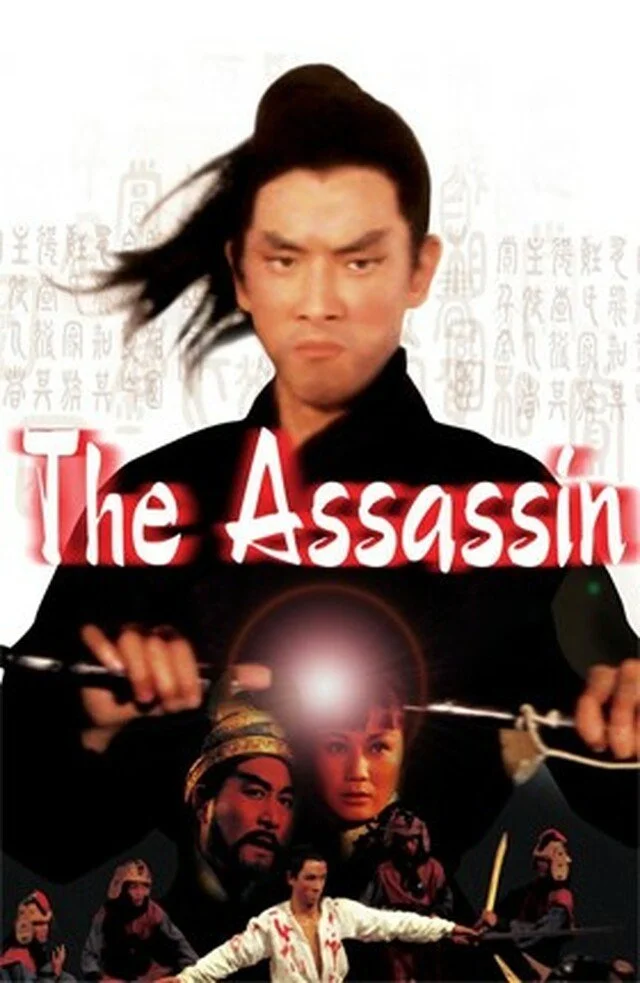
The short answer is that wuxia and kung fu movies overlap, but they make different promises. A kung fu film often asks you to watch a fighter learn, refine, and prove a physical skill. A wuxia film is more likely to ask what a skilled hero owes to a friend, a teacher, a family, or a code of honour, then turn that choice into swordplay, pursuit, and sometimes impossible movement.
In English, both are often filed under "kung fu movies," which is understandable. Both traditions come out of Chinese-language martial arts cinema, both can have dazzling choreography, and plenty of films borrow from both. The distinction is still useful when you are choosing a first watch or trying to work out why one movie clicks for you while another does not. Think of it as a way to read the film's priorities, not a rulebook that every title must obey.
The quickest difference
If a film is built around a wandering swordsman, a dangerous inn, rival clans, secret identities, or a moral debt that sits outside ordinary law, you are probably in wuxia territory. The word joins the ideas of "martial" and "chivalry." The BFI traces the form back through Chinese literature and describes its long screen tradition of swords, romance, and heroic codes. A film guide from Queen Mary University of London puts the practical difference neatly: kung fu films tend to emphasise "real fighting," while wuxia lets its heroes move beyond ordinary physical limits.
If a film is built around training, a school, a rival style, a teacher, a tournament, or the hard work of becoming more capable, it is more likely to be a kung fu film. The body is part of the story. A stance, a weapon drill, an injury, or a new way of using a familiar technique can change the whole conflict. The action may still be playful, theatrical, or exaggerated, but the viewer is usually invited to admire discipline and problem-solving as much as legend.
What wuxia movies feel like
Wuxia is often described as swordplay cinema, but the sword is only part of the appeal. Its heroes move through the jianghu, a separate social world of fighters, outcasts, officials, clans, inns, and loyalties. A person can have great skill and still lack status. A quiet stranger may be dangerous. A promise can carry more weight than a government order. That is why a wuxia plot can make a meal at an inn feel as tense as a duel.
Movement tells you what kind of world you have entered. Fighters may leap across roofs, run on water, vanish into a forest, or meet in a duel that uses wind, fabric, and landscape as much as weapons. Those moments are not simply visual decoration. They turn an inner conflict into something you can see. A character trapped by duty may look graceful in the air but be unable to choose a free life on the ground.
That does not mean every wuxia film is dreamy or gentle. Criterion's account of Dragon Inn describes a tradition shaped by swordplay and chivalric codes, but also by suspense, credible combat, and political pressure. A wuxia film can be romantic, comic, eerie, intricate, bloody, or rough. The common thread is the larger moral world around the action.
What kung fu movies feel like
Kung fu films usually bring the camera closer to the problem of fighting. You watch a character train until a move becomes natural, discover a weakness in an opponent's rhythm, or learn why a familiar technique fails against a new style. Even when the film is broad or comic, the physical logic matters. The viewer is meant to notice timing, effort, balance, and the difference between raw force and control.
That is why the best kung fu stories often have clear learning arcs. A young fighter may be too proud, too reckless, too soft, or too eager to copy another person's style. A teacher gives them a task that looks useless until it solves the final problem. A rival school exposes what they do not yet understand. The fights are satisfying because they pay off something the story has taught you to watch for.
Bruce Lee's films sharpened this feeling for international audiences. Criterion's study of Bruce Lee's kung fu movies notes his preference for the efficient brutality of a street fight, even when a production began from more stylised traditions. That contrast is helpful. Kung fu cinema can be spectacular, but it often wants physical impact, clear technique, and a direct connection between the fighter's choices and the result.
Use the story, not just the weapon
A sword does not automatically make a film wuxia, and bare hands do not automatically make one kung fu. A sword can appear in a grounded historical martial arts story. A kung fu film can use wirework, myth, or ghostly imagery. The better clue is what the film treats as the real test.
In wuxia, the test is often moral or social. Can the hero honour a debt without becoming trapped by it? Can they protect someone when official power has failed? Can they move through a world of competing obligations and remain true to themselves? The duel is the visible end point of a problem that started with loyalty, betrayal, freedom, or reputation.
In kung fu, the test is more often practical and personal. Can the hero learn the technique that solves the problem? Can they control fear, anger, or ego long enough to use it? Can they understand an opponent's style? That does not make kung fu films emotionally simpler. It simply puts the emotional work into training, discipline, and how a person carries themselves under pressure.
Why the labels overlap
Hong Kong cinema has never treated genre borders as fences. Directors, performers, studios, and audiences moved freely between swordplay, modern action, comedy, opera, fantasy, horror, and historical drama. A film can begin as a teacher-and-student kung fu story, then open into a larger world of chivalry. Another can use the costumes and settings of wuxia while focusing on a tight, physical rivalry.
The history adds to the overlap. The BFI notes that wuxia predates the international kung fu boom, while later kung fu films took over much of the global conversation about Chinese martial arts cinema. In other words, the labels reached many viewers through different routes. Some fans first met the genre through Bruce Lee's hard, immediate impact. Others came through Crouching Tiger, Hidden Dragon, where flying movement and emotional restraint are inseparable. Both are valid entrances.
That is why it is better to say "this film leans wuxia" or "this one has a kung fu structure" than to argue that one title belongs in only one box. A useful category should help you find the next movie you will enjoy. It should not make the shelf smaller than it is.
A simple test before you press play
Choose wuxia when you want...
Choose wuxia when you want a legend, a moral maze, or an atmosphere you can get lost in. Start here if you like secret identities, historical settings, heroes who live by an unwritten code, and action that can feel romantic, haunted, or larger than life. The closest collection path is Cinema Kung Fu's swordplay selection, where you can move from older Shaw Brothers titles to newer wuxia releases.
Choose kung fu when you want...
Choose kung fu when you want to follow skill developing under pressure. Start here if you enjoy a clear rivalry, a hard lesson, a teacher-student relationship, competing styles, or action where you can feel the physical answer to a problem. The old-school kung fu collection is a practical place to browse when you want classic training stories and hand-to-hand fights.
Choose a hybrid when you want...
Choose a hybrid when you want the best of both: a strong physical fight story with a wider world of myth, loyalty, and style. These are often the films that make the distinction feel least important. The right choice is the one whose mood you want to spend time with.
Four useful next watches
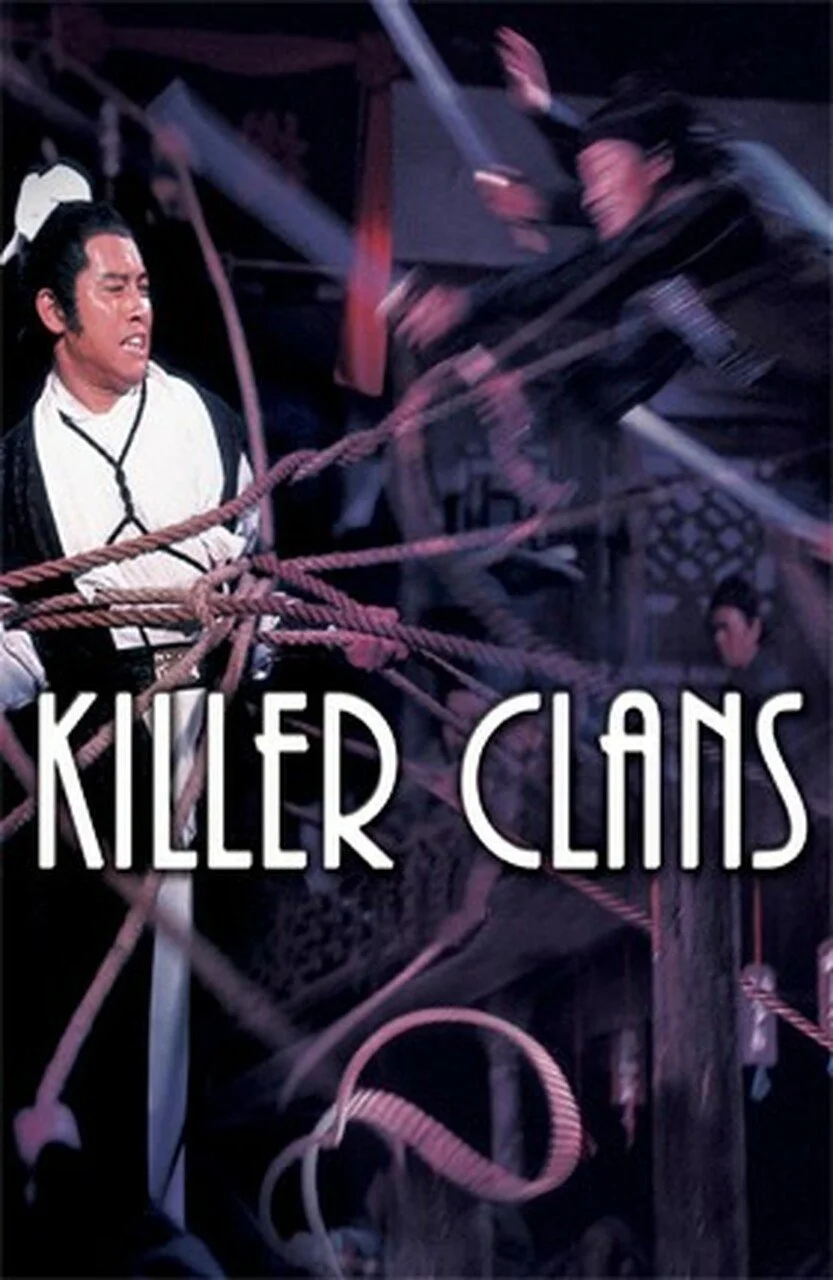
For a wuxia mystery: The Killer Clans is the pick when you want masks, plots within plots, and rival groups whose motives keep changing. Its pleasures are not limited to the fights. You are also watching the story reveal who has been controlling the room.
For a wounded wuxia hero: The One Armed Swordman puts injury, pride, and loyalty at the centre of its swordplay. It is a useful example of how a wuxia hero can be defined as much by obligation and loss as by their weapon.
For a kung fu learning arc: Challenge of the Masters gives you a classic student-and-teacher route through Hung Gar training. It is a good choice when the appeal is watching a fighter become more disciplined rather than simply more powerful.
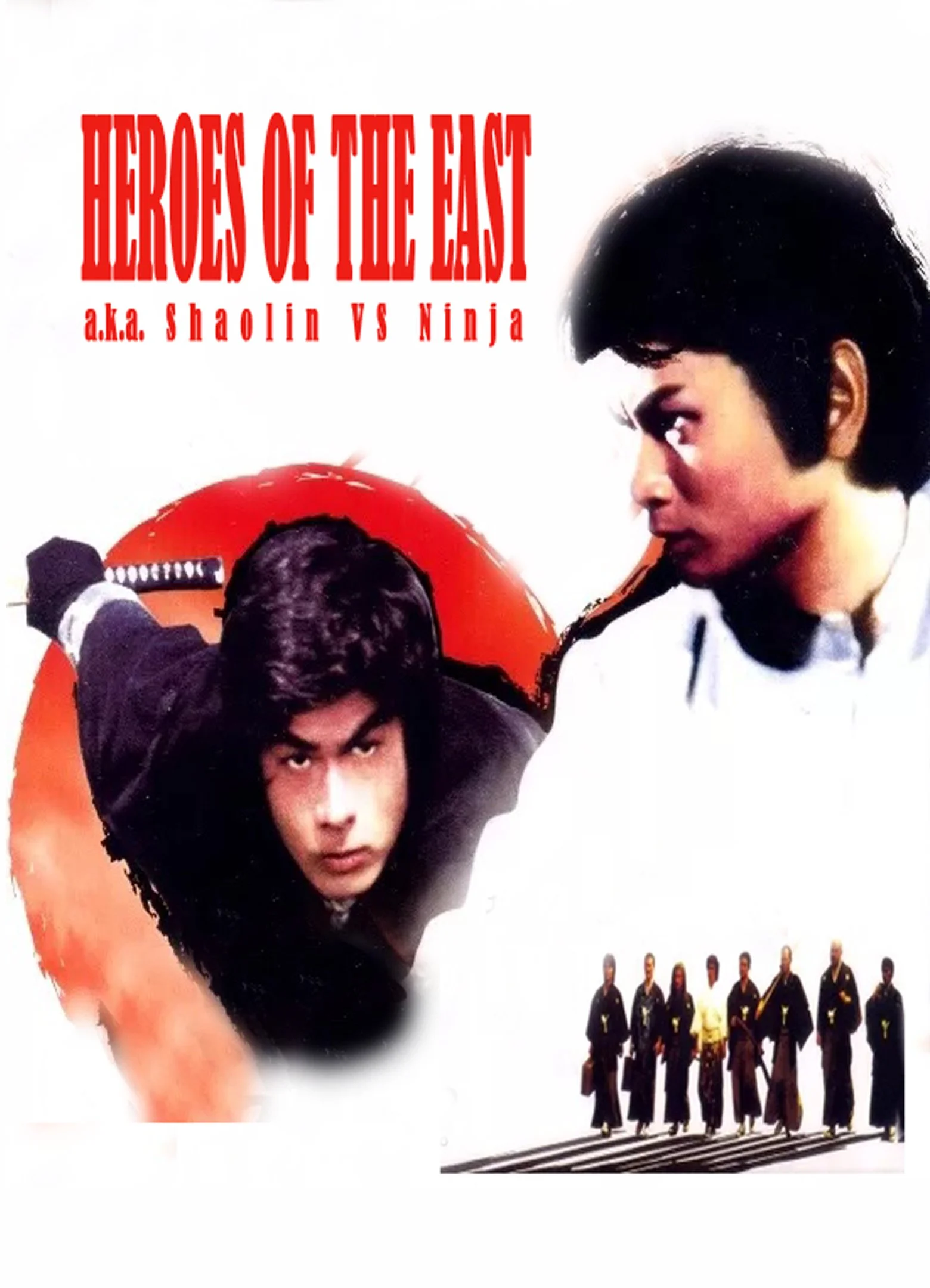
For a battle of styles: Heroes of the East is a smart choice if you want to see the story treat martial arts methods as characters in their own right. The conflict comes from competing approaches, which gives the action a clear, satisfying purpose.
How Cinema Kung Fu helps you keep exploring
The advantage of a specialist collection is that you can follow the thread that actually interested you. If a film's swordplay, moral tension, or historical world is what stays with you, keep moving through the swordplay collection. If the training, hand-to-hand skill, and school rivalries are the draw, use the kung fu collection as your next stop. The site also has a Disc Guide with clear format expectations for made-on-demand releases.
Do not feel obliged to collect according to a neat label. A shelf built around one favourite director, a particular fight style, wandering swordsmen, elaborate clan plots, or tough teacher-and-student stories is more interesting than a shelf built to satisfy a genre checklist. Use the labels to narrow the choice, then let your taste do the rest.
The bottom line
Wuxia usually looks outward, toward a larger moral world of chivalry, swordplay, and legend. Kung fu usually looks inward, toward the work of mastering a body, a style, or a discipline. Both can be thrilling, funny, harsh, romantic, and beautifully choreographed. Both can also borrow from the other.
When in doubt, ask what you want from the next film. Do you want a hero moving through an inn full of secrets, a clan feud, and a code no law can enforce? Choose wuxia. Do you want to watch a fighter earn an answer through timing, practice, and nerve? Choose kung fu. And when a movie gives you both, settle in. That overlap is where some of martial arts cinema's most satisfying surprises live.
Frequently asked questions
Are wuxia movies the same as kung fu movies?
They overlap, but they are not identical. Wuxia usually centres on chivalric heroes, swords, the martial world, and stylised or extraordinary movement. Kung fu films more often make training, hand-to-hand technique, and physical mastery the main dramatic engine.
Is Crouching Tiger, Hidden Dragon wuxia or kung fu?
It is wuxia. Its swordplay, historical setting, moral codes, and airborne movement belong to the wuxia tradition, even though its fights are clearly rooted in martial arts skill.
Can a movie be both wuxia and kung fu?
Yes. The labels describe different traditions and emphases, not an airtight sorting system. Some films combine swordplay, training, historical adventure, comedy, and heightened action. The useful question is what the story wants you to feel and watch for most closely.
What is a good first wuxia movie?
Dragon Inn is a strong classic starting point for suspense and swordplay, while Crouching Tiger, Hidden Dragon is an accessible choice for romance and grand visual action. For a rougher modern approach, try The Blade.
What is a good first kung fu movie?
Choose a film built around a clear training or skill journey. Heroes of the East is a good option for viewers who enjoy competing disciplines, while a Wong Fei-hung story such as Challenge of the Masters gives you a classic teacher-and-student structure.
Related posts
Wuxia Film Guides
What Is Wuxia? A Beginner's Guide to Chinese Swordplay Movies
Learn what wuxia means, how it differs from kung fu movies, and the best first Chinese swordplay films to watch.
Read the guide ›
Wuxia Film Guides
9 Best Wuxia Movies for Every Kind of Viewer
The best wuxia movies for a first watch, from classic inn thrillers to modern swordplay spectacle.
Read the guide ›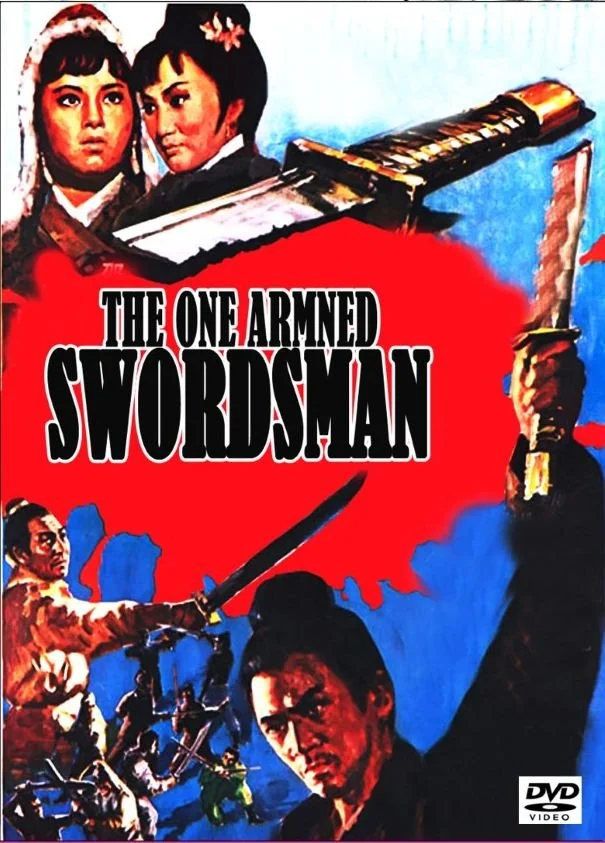
Wuxia Film Guides
Jianghu Meaning: The World Behind Wuxia Movies
What jianghu means, why it matters in wuxia, and how it helps you read the swordsmen, inns, and rival clans on screen.
Read the guide ›
Wuxia Film Guides
Wuxia vs Xianxia: How to Tell the Difference
A clear way to separate martial-world drama from immortal fantasy, and choose the kind of Chinese action story you want next.
Read the guide ›