Wuxia Film Guides
9 Best Wuxia Movies for Every Kind of Viewer
The best wuxia movies for a first watch, from classic inn thrillers to modern swordplay spectacle.
There is no single correct answer to “what are the best wuxia movies?” One viewer wants a remote-inn thriller where every stranger may be carrying a blade. Another wants lush romance, a Shaw Brothers puzzle box, a wounded hero, or a modern film that turns a duel into pure visual force. The useful answer is a route through the styles that make wuxia such a deep well.
This list starts with films that taught the genre how to use space, silence, honour, and movement, then moves into Hong Kong reinventions and international touchstones. The BFI's guide to wuxia swordplay shows just how much ground the genre covers. These nine films are not a final canon. They are nine reliable doors, each opening onto a different part of the martial world.
The best wuxia movies at a glance
Best first watch: Crouching Tiger, Hidden Dragon for emotional clarity, graceful action, and a welcoming way into the genre.
Best classic: Dragon Inn for tense inn intrigue, unforgettable entrances, and old-school swordplay suspense.
Best modern jolt: The Blade for rough-edged intensity and a fierce 1990s reinvention of the wounded-swordsman story.
How to choose your first film
Pick by mood rather than prestige. Choose Dragon Inn for suspense and clear storytelling. Choose Crouching Tiger, Hidden Dragon for romance and immediate emotional stakes. Choose The Blade if you want an abrasive 1990s jolt. A good first watch should make you curious about the next one, not make you feel as though you have been assigned a history lesson.
Wuxia rewards attention to more than fighting. Notice who is bound by a promise, who is trapped by status, who is pretending to be harmless, and how a director uses a corridor, a courtyard, wind, cloth, or an inn table to make tension visible. Once those patterns become familiar, the titles on a collector's shelf stop feeling anonymous.
What makes a wuxia movie great?
A great wuxia film gives its action an emotional job. The fighters are rarely arguing only about who is stronger. A duel may be an attempt to keep a promise, protect a family, escape a role imposed by society, or refuse an order that feels unjust. That is why the best clashes can feel exciting even when you do not know every rule of the world. The film has made the pressure clear before the blades come out.
The setting matters too. Inns, courtyards, temples, deserts, rivers, and forests are not interchangeable scenery. A remote inn concentrates strangers and secrets into one room. A bamboo grove can make a fight feel light, romantic, or unreal. A windswept landscape can leave a hero exposed with nowhere to hide. Wuxia directors often use places as part of the choreography, so a setting tells you how the action should feel before anyone moves.
Then there is the question of movement. Some films want every exchange to be legible: you can see how one fighter creates an opening, how another answers it, and why the rhythm changes. Others use speed, editing, dust, shadows, or impossible leaps to make a conflict feel unstable. Neither approach is automatically better. The important thing is whether the style matches the character. Calm fighters often get clean frames; frightened or furious ones may make the whole screen seem to fracture.
Finally, the strongest films make room for restraint. Wuxia is full of people who could use force but choose, for a time, not to. A hero may conceal an identity, let an insult pass, give an enemy a chance, or carry a debt that cannot be settled with a victory. Those pauses give the fights their weight. When action finally arrives, it feels like the result of a difficult choice rather than a scheduled interruption.
A simple viewing route
For a first weekend, pair Come Drink with Me with Dragon Inn. You will see two different ways King Hu built suspense: one around a commanding heroine and one around a group of strangers trapped in a dangerous place. The stories are direct enough to follow, and their precision makes later films easier to read.
Next, choose between One-Armed Swordsman and The Killer Clans. The first is for viewers who want injury, loyalty, and revenge pushed to the foreground. The second is for viewers who enjoy masks, misdirection, and a plot that keeps changing shape. Together, they show how flexible 1970s Hong Kong swordplay could be without losing the genre's central concern with honour under pressure.
Once the older styles feel familiar, move to The Blade and Crouching Tiger, Hidden Dragon. They are both modern in different ways. Tsui Hark finds intensity in grime, speed, and rough edges. Ang Lee finds it in space, colour, and suppressed feeling. Watching them close together is useful because it makes clear that wuxia did not evolve in one straight line.
Save A Touch of Zen, Ashes of Time, and Hero for the moment when you want something more meditative or stylised. Each asks for a little more patience, but each also shows why the genre has stayed fertile for filmmakers. The martial world can be a historical adventure, a romantic tragedy, a political fable, or a memory that may not be entirely reliable.
1. Come Drink with Me (1966)
King Hu's breakthrough is a perfect opening move because it is so cleanly built. Cheng Pei-pei plays Golden Swallow, a young warrior trying to rescue her brother from bandits. The story has disguises, rival fighters, and a tavern full of danger, but it never loses the sharp outline of its heroine. She is observant, composed, and more capable than the men who underestimate her.
Watch the way a room changes when Golden Swallow enters it. The action is precise rather than frantic, and the pauses matter as much as the strikes. This is wuxia at its most elegant: an adventure with a moral centre, a vivid hero, and a sense that control can be more dramatic than brute force.
2. Dragon Inn (1967)
Dragon Inn is the ideal classic for viewers who like a pressure-cooker thriller. A group of fighters gathers at a remote inn while assassins hunt the children of an executed official. The premise is immediately legible, but King Hu extracts suspense from entrances, pauses, false identities, and the question of who is truly on whose side.
The Criterion essay on the film is especially useful for its attention to the film's memorable entrances and visual precision. Nothing at the inn feels accidental. Every meal, corridor, and window becomes part of the strategy. It is the title to choose when you want to understand how wuxia can make a single location feel like an entire world.
3. A Touch of Zen (1971)
If Dragon Inn proves how tense wuxia can be, A Touch of Zen proves how expansive it can become. It begins with a scholar, a mysterious woman, and an old house, then opens into political danger, spiritual unease, and action that seems to escape gravity. It is patient, atmospheric, and unconcerned with rushing to the next fight.
That patience is its strength. Criterion's study of A Touch of Zen traces King Hu's care with the film's spaces, costumes, and dramatic build. Choose it when you want wuxia as mystery and mood. Its rewards arrive slowly, then stay with you long after the final duel.
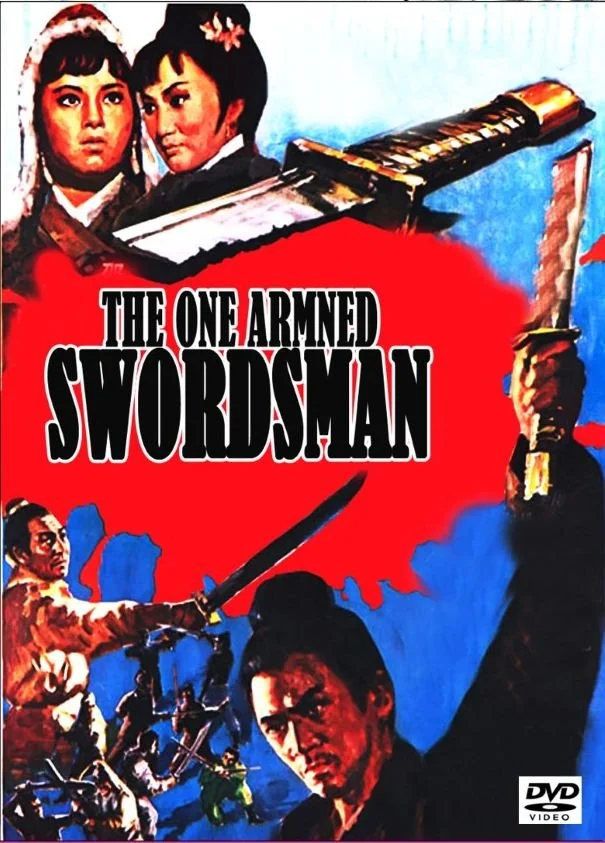
4. One-Armed Swordsman (1967)
Chang Cheh's One-Armed Swordsman pulls the genre toward a rougher, more melodramatic register. Jimmy Wang Yu plays Fang Gang, a gifted student whose class position and injury turn a martial-school story into something bruised and personal. Where King Hu often finds power in poise, Chang lets pain, pride, and resentment press hard against the frame.
The film made a wounded, compromised hero feel central to wuxia. It asks what remains when a fighter loses the ability that defined him. That emotional engine still works, and it makes the film a strong next step after the cooler control of King Hu. Collectors can find Cinema Kung Fu's One Armed Swordman release in the catalogue.
5. The Killer Clans (1976)
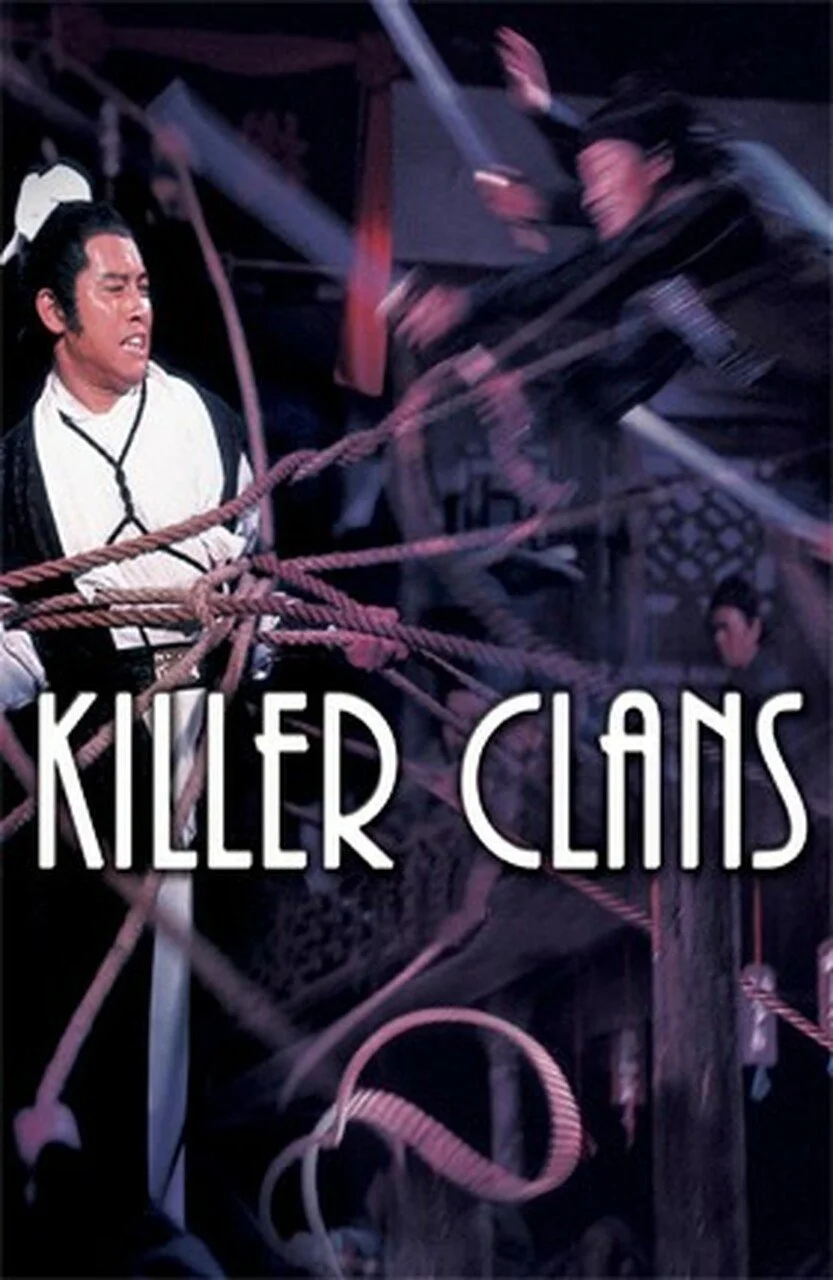
This is the pick for anyone who loves a plot with moving parts. Directed by Chor Yuen and adapted from a Gu Long novel, The Killer Clans gives you masked identities, rival groups, elaborate traps, and the constant feeling that every answer may reveal another layer. The fights are fun, but the real pleasure is trying to keep up with the shifting loyalties.
Chor Yuen shows another side of wuxia: ornamental, mysterious, and happily artificial. Sets become theatrical spaces where colour, shadow, and costume are part of the storytelling. The 30-film wuxia overview from The Chinese Cinema offers helpful context for the wider tradition. The Killer Clans is the one to choose when you want intrigue with your swordplay.
6. The Blade (1995)
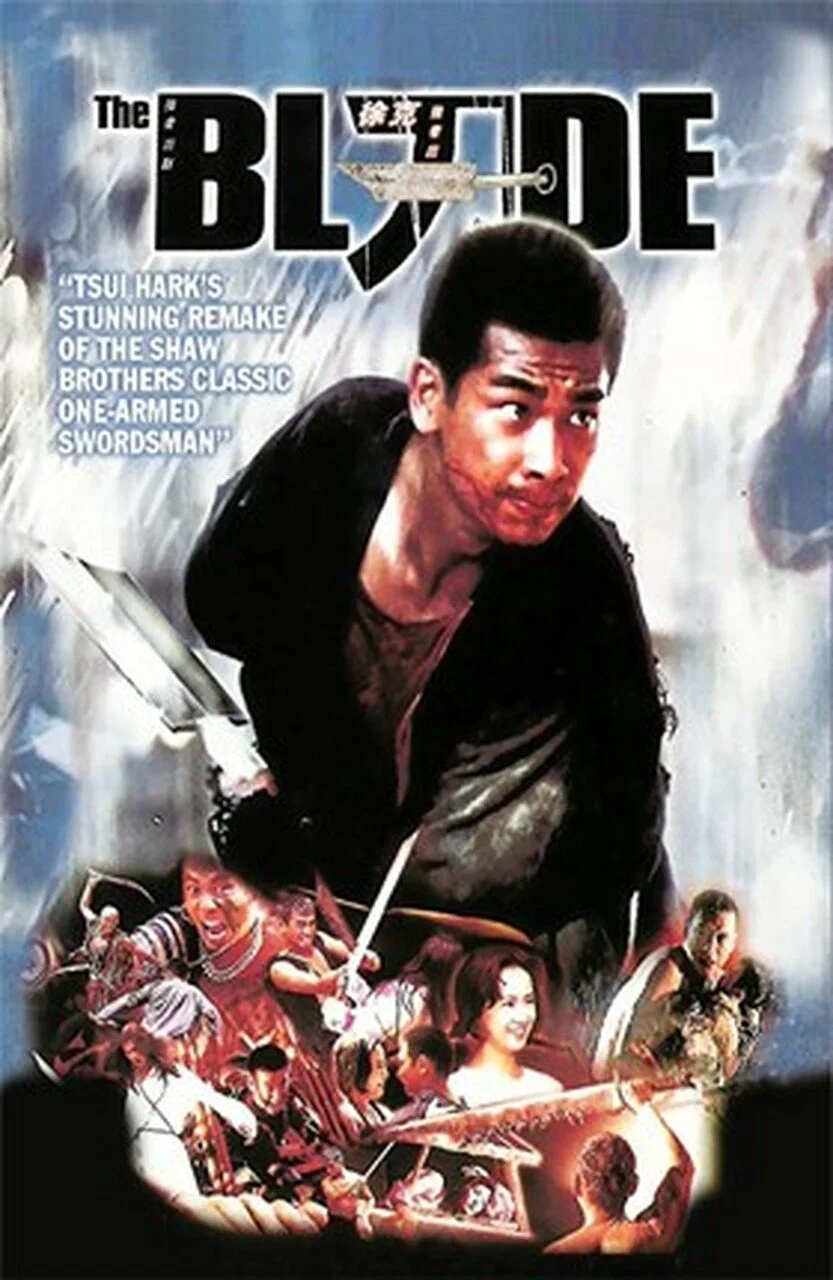
Tsui Hark's The Blade is what to watch when you want wuxia stripped of polish and thrown into the dirt. Loosely inspired by One-Armed Swordsman, it keeps the wounded hero but replaces the older film's stately melodrama with a scorched, frantic intensity. The camera is restless, the setting feels harsh, and every victory looks costly.
It can be disorienting at first. That is intentional. Tsui Hark pushes the genre's emotions and images until they nearly come apart, then finds beauty in the chaos. The Time Out selection of Hong Kong wuxia is a useful companion for seeing where that 1990s surge sits in the tradition. If the classics feel too composed, The Blade will show you how far swordplay cinema can stretch without losing its core.
7. Ashes of Time (1994)
Wong Kar-wai's Ashes of Time is the outlier, and that is exactly why it belongs here. It takes the wandering-fighter world and filters it through memory, longing, and isolation. The plot is deliberately fragmented. Faces return, stories overlap, and combat arrives in flashes rather than cleanly explained exchanges.
Do not make it your first wuxia. Choose it when you want to see what happens when the genre becomes a mood piece. Its characters are not just deciding whether to draw a weapon. They are living with regret, missed chances, and stories they may already be rewriting. It is a reminder that wuxia can be intimate even when its world is full of legendary fighters.
8. Crouching Tiger, Hidden Dragon (2000)
For many viewers, this remains the most welcoming doorway into wuxia. Ang Lee's film has the sweep of a historical romance, but it never loses sight of its specific pressures: a stolen sword, a young woman's fear of being trapped by convention, a warrior's unspoken love, and the gap between the life you want and the life honour permits.
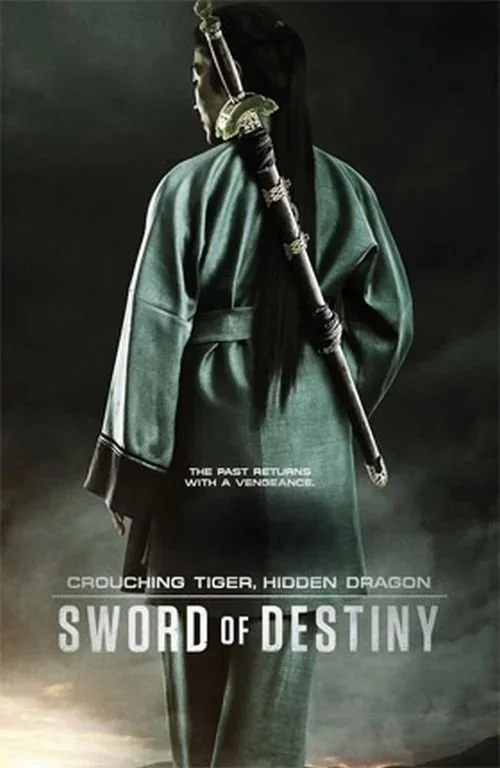
The treetop fight is spectacular because it is more than spectacle. It makes a private conflict visible. The film is best understood as an invitation into the tradition, not a separate global exception. Watch it, then move back to King Hu for inn suspense and forward to Tsui Hark for wilder energy. For more Michelle Yeoh and Donnie Yen swordplay, Crouching Tiger, Hidden Dragon: Sword of Destiny is available in the shop.
9. Hero (2002)
Zhang Yimou's Hero is a grand visual answer to how far wuxia can go. Its duels are shaped by colour, memory, and competing versions of the same story. Rather than simply asking who is strongest, the film asks what different people believe a single act of loyalty or sacrifice means. The result is controlled, elegant, and openly spectacular.
It is a fine choice for viewers drawn to composition. Each colour chapter changes the emotional temperature, and each action scene has a different relationship to truth. You may finish it arguing over its choices. That is fine. A good wuxia film should leave you with more than a list of fights you liked.
How to keep exploring without getting lost
English titles can be messy. One film may appear under several names, and cover art can make two very different titles look like the same kind of experience. When you find a film you like, start with one concrete thread: the director, the lead performer, the studio, or the story shape. “Another King Hu inn story” or “another Gu Long adaptation” is a much better next search than “more movies with swords.”
It also helps to separate a film's era from its mood. A 1960s title can feel lively and immediate; a 1990s title can feel deliberately old-fashioned. Likewise, a period setting does not tell you whether a film will be comic, romantic, eerie, brutal, or plot-heavy. Read a short description, look for the names you recognise, and give a film a few scenes to establish its rhythm before deciding whether it is for you.
Collectors can use the same habit when browsing discs. Start with the exact feature you want next, then check the listing for its alternate title, source notes, and format details. It is better to build a shelf that reflects your taste than to buy blindly from a broad genre label. That approach also makes the unexpected discoveries more satisfying because each one has a connection to something you already know you enjoy.
Four things to watch for
The inn is never just an inn
In wuxia, a roadside inn is often a pressure cooker. People arrive under false names, a traveller carries a message or a secret, and someone is always watching the door. A single room can hold a government agent, a bodyguard, a robber, a disguised fighter, and a person who is not remotely who they claim to be. Watching how a film introduces each person is part of the pleasure. Notice the glances, the pauses, the placement of a weapon on a table, and the moment polite conversation starts to feel dangerous.
Action has a point of view
Do not only ask whether a fight looks impressive. Ask what the film lets you see. Some directors make every movement clean and legible, so you can follow the exchange of skill. Others use editing, wind, cloth, dust, shadow, or a sudden change in distance to make a duel feel disorienting. The question is not which approach is more “real.” It is whether the style matches the emotion. A character finding calm may get a clear, measured frame; a fighter losing control may make the whole image feel unstable.
Honour creates the hardest conflict
A villain can be obvious, but the harder choice is usually between two valid obligations. Does a hero protect a friend, obey a teacher, preserve a family name, or refuse an unjust command? Wuxia earns its romantic intensity when there is no easy way to remain decent. That is why a quiet promise can matter as much as a sword stroke. Once you start listening for those obligations, the elaborate plots become much easier to follow.
Fantasy changes the scale, not the stakes
Wire-assisted leaps and impossible movement can look playful or extravagant to a first-time viewer. Treat them as a visual language. A character crossing a roofline is not merely showing off; the movement can signal freedom, danger, separation, or the gap between ordinary life and the martial world. The effect works when it makes the emotional stakes larger without making the people inside the story feel smaller. That balance is one of the genre's most distinctive pleasures.
There is no wrong entry point
People sometimes approach wuxia as if they need to begin with the oldest title and work forward in strict order. You do not. A great genre is not a queue at a museum. Start with the film that matches the kind of evening you want, then use what you enjoy as your map. If one story's romance lands harder than its fights, follow that emotional current. If you cannot stop thinking about a particular director's framing or an actor's screen presence, follow that instead.
The only unhelpful habit is treating one film as a verdict on the whole tradition. A viewer who finds Ashes of Time too abstract may love the clean suspense of Dragon Inn. Someone who thinks Come Drink with Me is too measured may connect immediately with the rough velocity of The Blade. Wuxia is a family of styles, not one single speed or tone. Give yourself permission to move sideways.
That range is also why it keeps rewarding repeat viewing. The first time through, a fight may be the moment you remember. The second time, it may be the silence before it, the person watching from a doorway, or the obligation that makes a character choose the harder path. Good wuxia has enough detail to meet you at different levels of attention. The best title for you is the one that makes you want to look closer.
Where to go after the essentials
Follow your appetite. Want more women at the centre of the action? Follow Cheng Pei-pei from Come Drink with Me. Want chamber-piece tension? Stay with King Hu. Want masks, ornate sets, and literary plot puzzles? Follow Chor Yuen and Gu Long adaptations. Want raw modern force? Follow Tsui Hark into the 1990s and beyond.
Harvard Film Archive describes King Hu as a major artist who made wuxia into a vehicle for a distinctive cinematic voice, not merely a genre exercise. Its King Hu programme notes are a worthwhile next read after the films. The most rewarding habit is simple: look past the title on the cover, notice the people and ideas behind it, and let one good discovery lead to another.
For collectors: make the next pick specific
Once you know whether you want swordplay, clan intrigue, ghostly atmosphere, or bruising revenge, browsing gets easier. Cinema Kung Fu's Wuxia DVD collection is the practical next stop, with the wider swordplay collection ready for further exploring. The Disc Guide explains what to expect from a made-on-demand release. Rare cinema often comes with alternate titles and uneven availability; clear expectations make for better collecting.
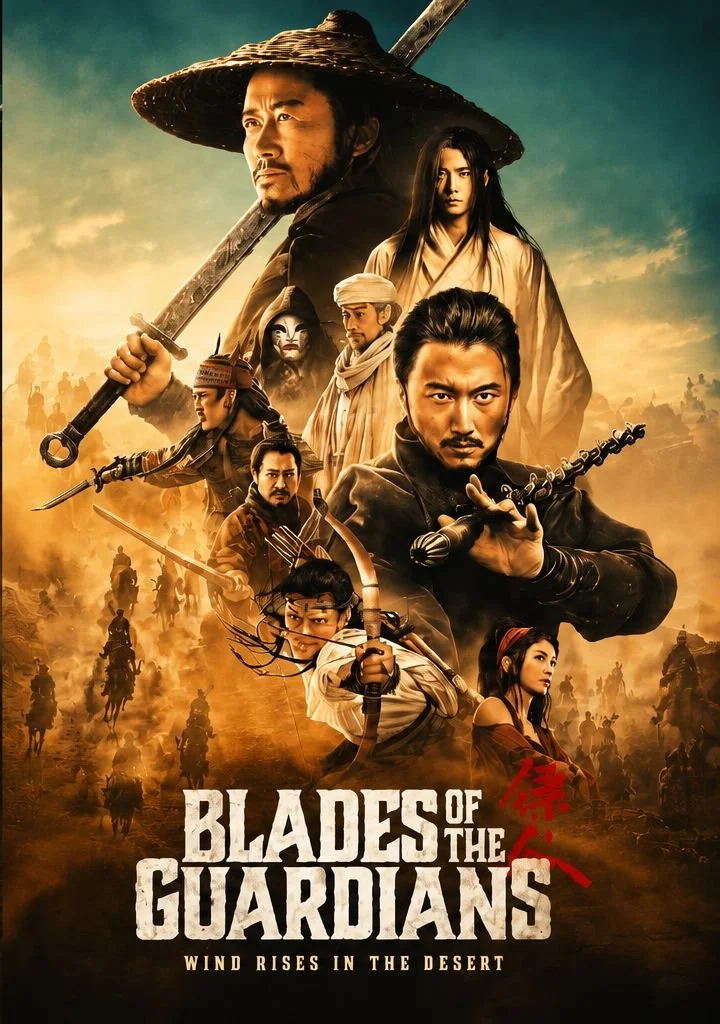
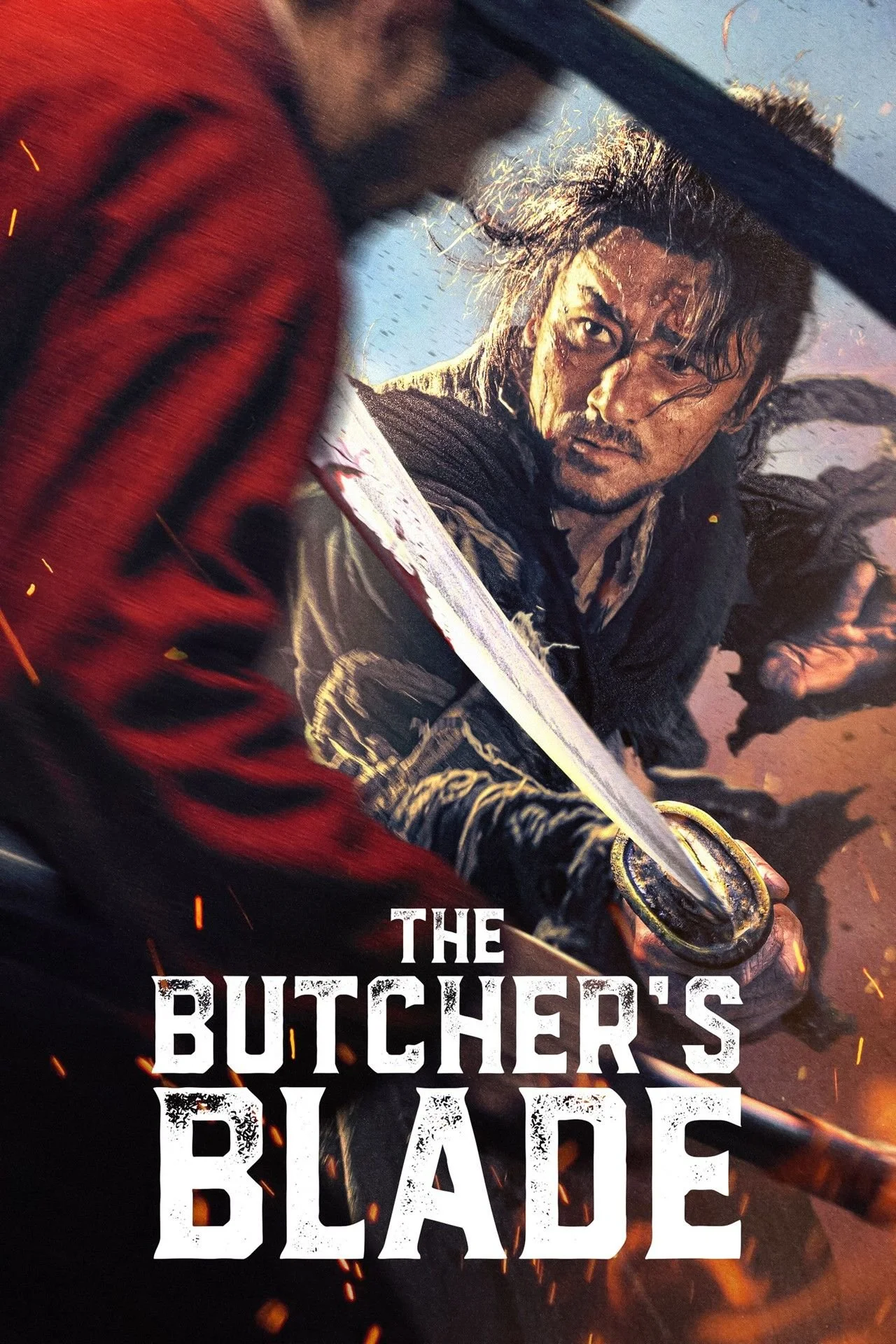
For a newer take on the tradition, The Butcher's Blade and Blades of Guardians: Wind Rises in the Desert carry its concern with honour, danger, and swordplay into a new era. The pleasure is not in buying every title with a sword on the cover. It is in finding the kind of martial-world story you want to revisit.
Frequently asked questions
What is the best wuxia movie to start with?
Crouching Tiger, Hidden Dragon is the easiest first choice for many viewers because the emotional stakes are clear, the action is easy to follow, and it introduces the genre's mixture of romance, duty, and impossible movement without assuming prior knowledge.
Are wuxia movies the same as kung fu movies?
They overlap, but wuxia usually puts swordplay, chivalry, historical or legendary settings, and the codes of the martial world at the centre. Kung fu films more often focus on hand-to-hand technique, training, and physical mastery.
Which older wuxia movie should I watch first?
Dragon Inn is a strong first classic because its setting and conflict are easy to grasp: a remote inn, people hiding their identities, and a small group trying to protect the innocent. Come Drink with Me is another excellent entry if you want a shorter, cleaner introduction to the genre's heroic style.
Where can I find more swordplay films after these?
Follow the director, studio, or story shape that grabbed you. Cinema Kung Fu's swordplay collection is a practical next stop for collectors who want to move from major touchstones into harder-to-find martial arts releases.
Related posts
Wuxia Film Guides
What Is Wuxia? A Beginner's Guide to Chinese Swordplay Movies
Learn what wuxia means, how it differs from kung fu movies, and the best first Chinese swordplay films to watch.
Read the guide ›
Wuxia Film Guides
Wuxia vs Kung Fu: What's the Difference?
A practical way to tell swordplay legend from grounded martial arts action, and find the right next watch.
Read the guide ›Wuxia Film Guides
Jianghu Meaning: The World Behind Wuxia Movies
What jianghu means, why it matters in wuxia, and how it helps you read the swordsmen, inns, and rival clans on screen.
Read the guide ›
Wuxia Film Guides
Wuxia vs Xianxia: How to Tell the Difference
A clear way to separate martial-world drama from immortal fantasy, and choose the kind of Chinese action story you want next.
Read the guide ›