Wuxia Film Guides
Jianghu Meaning: The World Behind Wuxia Movies
What jianghu means, why it matters in wuxia, and how it helps you read the swordsmen, inns, and rival clans on screen.
Jianghu literally means “rivers and lakes,” but a direct translation only gets you so far. In wuxia movies, jianghu is the loose, dangerous world that exists alongside ordinary official life. It is where wandering swordsmen, martial schools, clan leaders, bodyguards, outlaws, officials, healers, and people with old debts meet under rules that are rarely written down.
That is why a wuxia film can make an inn, a ferry crossing, or a quiet meal feel charged before anyone draws a blade. The room may hold people who recognise one another, people hiding their names, and people whose reputations arrive before they do. Once you understand jianghu, the genre’s apparently elaborate plots become easier to follow. You are not just watching strangers meet. You are watching a whole social world test who owes what to whom.
Jianghu meaning, in plain English
The simplest useful definition is this: jianghu is the unofficial martial world. It runs beside the world of courts, laws, family status, and government, but it does not fully answer to any of them. Its people develop their own loyalties, grudges, favours, codes of conduct, and ideas of honour. A person without rank can be respected because of skill or integrity. A powerful official can be helpless when the problem sits outside the law.
A guide to wuxia film from Queen Mary University of London describes the genre’s heroes as figures who move through a distinct martial society rather than simply serving the state. The British Film Institute likewise traces wuxia to a long tradition of stories about swords, chivalry, romance, and heroic action. Those ideas are useful together: jianghu is the setting that lets a wuxia hero face a moral problem when normal authority is either corrupt, absent, or not enough.
It is not a fantasy kingdom with one map and one ruler. Jianghu can include real cities, villages, temples, remote paths, and border towns. What makes a scene feel like jianghu is the relationship between the people in it. Who trained whom? Which clan has an old grievance? Who has protected a friend before? Who can be trusted with a message, a weapon, or a secret?
Why jianghu matters in wuxia movies
Jianghu gives wuxia its emotional stakes. A fight is rarely only about winning. A swordsman may be deciding whether to repay a kindness, protect a family, refuse an unjust order, or keep a promise that has become dangerous. The action matters because it settles a question of character.
That is also why people in wuxia films often seem to know more than they say. Reputation is a kind of currency. Someone who enters a room quietly may be testing everyone else. A familiar name may trigger respect, fear, or a desire for revenge. An ordinary object can signal an allegiance. A viewer does not need to catch every reference immediately. The film is usually inviting you to notice that there is history beneath the conversation.
The strongest wuxia directors make that history visible through space and timing. Criterion’s account of Dragon Inn shows why the genre’s inn settings are so effective: a simple location becomes a place for surveillance, concealment, political pressure, and sudden combat. The suspense comes from waiting to see which person will reveal their true position first.
The unwritten rules of the martial world
Every wuxia film creates its own version of jianghu, so there is no master rulebook. Still, a few patterns appear again and again. Knowing them helps you read a new title without needing a history lesson first.
Reputation travels ahead of the person
In jianghu, people are rarely blank slates. A famous fighter, a disgraced teacher, or a clan with a violent past can change the temperature of a scene before they act. Sometimes a character’s reputation is deserved. Sometimes it is a trap, a misunderstanding, or a story someone has spread on purpose. Watch how other characters react when a name is mentioned. That reaction often tells you more than the introduction.
Debt is more than money
A saved life, a meal shared, a lesson given, or help during a difficult moment can create an obligation. These debts can be generous, burdensome, or both. A hero may help someone not because it is safe or convenient, but because leaving would betray the kind of person they want to be. This is the engine behind much of wuxia’s romantic intensity: duty and freedom can pull in opposite directions.
Skill does not settle every question
A great fighter may still be mistaken, lonely, loyal to the wrong person, or trapped by a promise. That is why wuxia heroes are interesting even when their abilities are extraordinary. The physical conflict can be solved with a sword, but the human conflict may not be solved at all. A clean win can still cost a character a friend, a home, or a place in the world.
Official power is not always justice
Wuxia frequently puts its heroes near courts, soldiers, corrupt officers, and political schemes. But jianghu exists because the official system has limits. A wandering hero can act when a local authority will not. That freedom comes with danger too. Without a reliable public system, people rely more heavily on private loyalty, personal judgement, and a fragile code of honour.
Why inns, roads, and rivers keep appearing
An inn is not just a convenient place for a fight scene. It is the ideal jianghu crossroads. Travellers must stop. Information changes hands. A host may know every rumour in the district. Someone can be watched without knowing it. A group of strangers can share a table while every person quietly works out who is dangerous.
Roads and rivers do similar work. They turn travel into exposure. A character leaves one protected place and has to negotiate unfamiliar territory, a local faction, or an old enemy. Rivers, bridges, mountain passes, and border towns make the world feel wider than any one ruler’s reach. The title jianghu itself keeps that feeling in view: a social order that is always moving, meeting, splitting, and reforming.
The Criterion essay on A Touch of Zen is especially useful here because it draws attention to the way disguises, pursuits, political pressure, and movement shape classic wuxia. A quiet journey can carry as much tension as a duel because the characters are always entering someone else’s territory, or trying to leave their own history behind.
Jianghu is not the same as wuxia
The terms are connected, but they do different jobs. Wuxia is the genre: stories of martial chivalry, skilled fighters, swordplay, loyalty, freedom, and moral pressure. Jianghu is the social world many of those stories inhabit. A wuxia movie may show a wandering hero moving through jianghu. Another might focus on a martial school, a family, or a court intrigue that only brushes against it.
This distinction also explains why wuxia and kung fu movies overlap without being identical. In a kung fu film, training, competing styles, and physical mastery often drive the story. In wuxia, the wider martial world may carry more weight: the question is not only whether the hero can fight, but where they stand when loyalties collide. The site’s guide to wuxia versus kung fu movies breaks down that difference in more detail.
There is no need to police the labels too strictly. Hong Kong and Chinese-language martial arts cinema has always mixed swordplay, comedy, horror, fantasy, romance, historical drama, and hard physical action. The useful question is what the film wants you to watch for. If the tension comes from a code, a reputation, a debt, or a hidden connection between groups, jianghu is probably part of the pleasure.
How to spot jianghu in your next movie
Use this short checklist when a new wuxia title begins. First, ask who has history in the room. The answer might arrive through a name, a weapon, a gesture of respect, or an uneasy silence. Next, ask what each character owes. The strongest conflicts often come from obligations that cannot all be honoured at once.
Then look at the setting. Is a supposedly ordinary place becoming a crossroads? Is a local official being outmanoeuvred by a private code? Is a traveller trying to escape a reputation that has followed them? Finally, notice what the fight resolves. A duel may settle a debt, expose a lie, prove a teacher wrong, or force a character to choose between safety and honour.
Once you start watching this way, wuxia plots become less like a blur of names and more like a network of relationships. That is the real function of jianghu. It gives each new encounter a past, and it makes a heroic decision matter after the fight is over.
Four films that make the idea easier to see
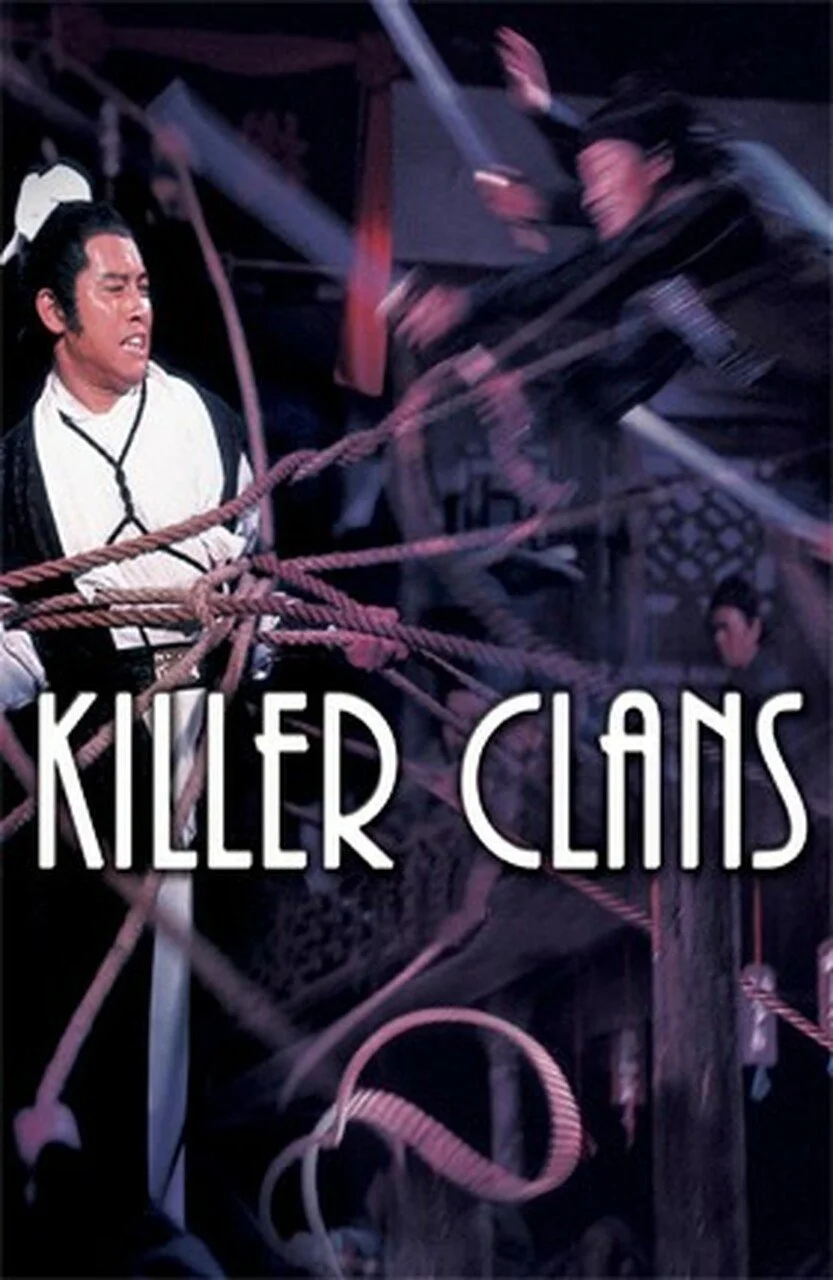
For a puzzle of alliances: The Killer Clans is a good starting point when you want masks, plans within plans, and a world where a character’s group matters as much as their skill. Watch the way each revelation changes who can trust whom.
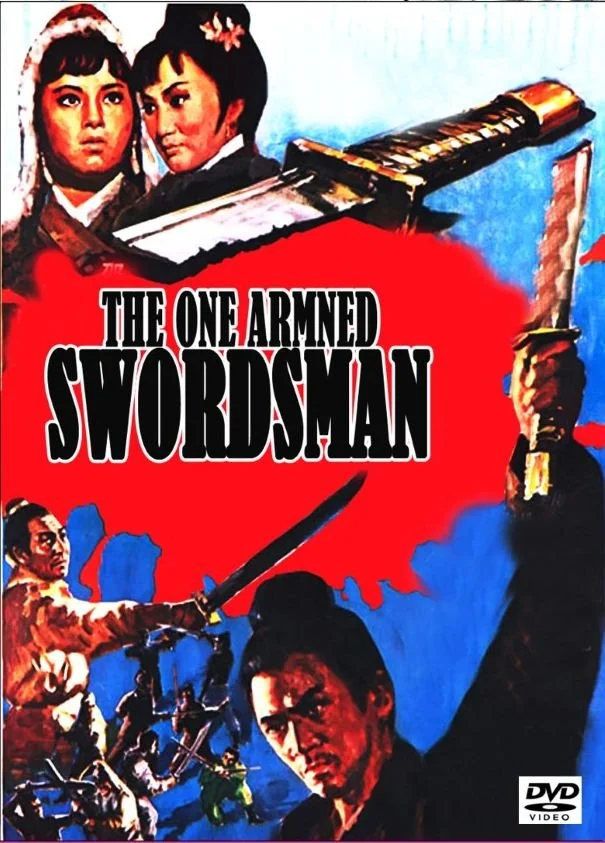
For a hero shaped by obligation: The One Armed Swordman puts pride, loss, and personal loyalty at the centre of its swordplay. It is a useful reminder that a wuxia hero can be defined as much by what they cannot walk away from as by what they can defeat.
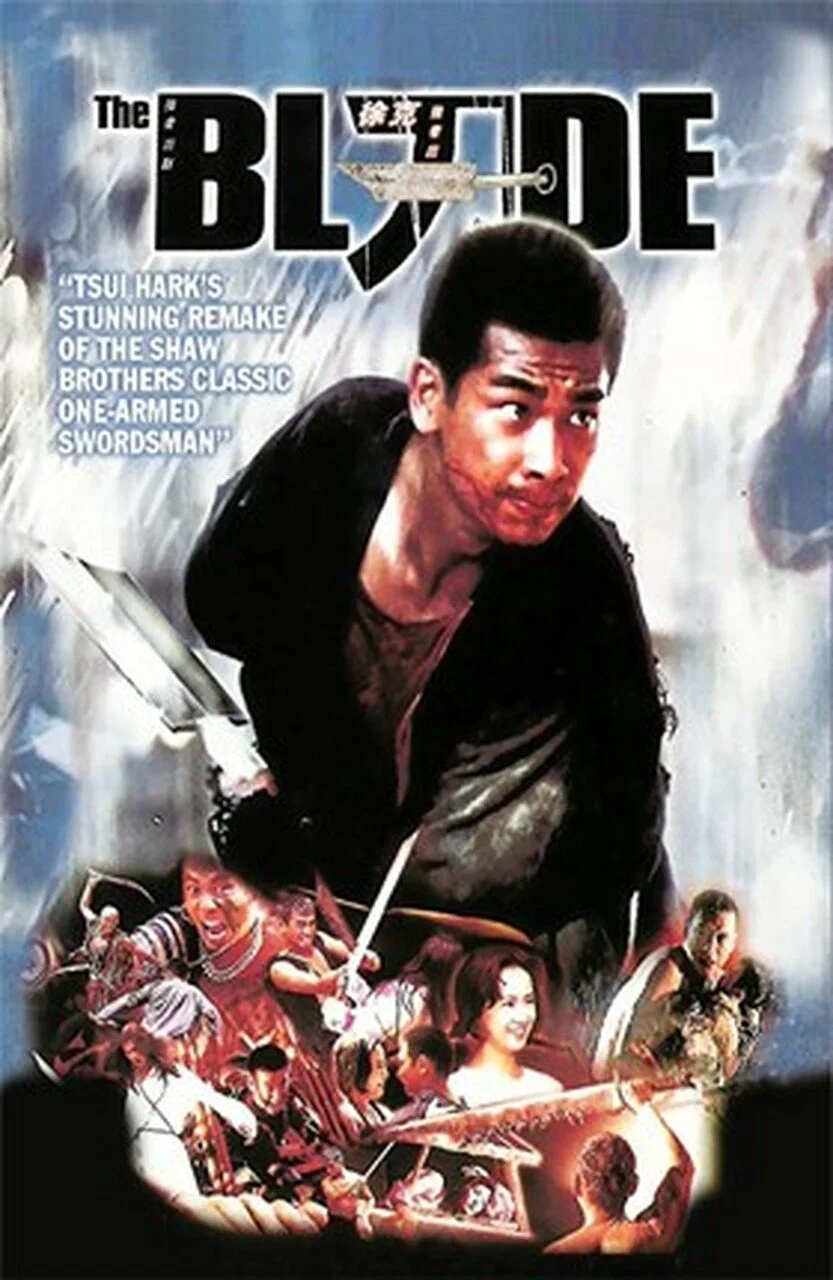
For a rougher modern edge: The Blade takes familiar swordplay ideas into a more abrasive world. Harvard Film Archive’s King Hu programme notes are a helpful companion for seeing how later filmmakers inherited and reworked the genre’s visual language.
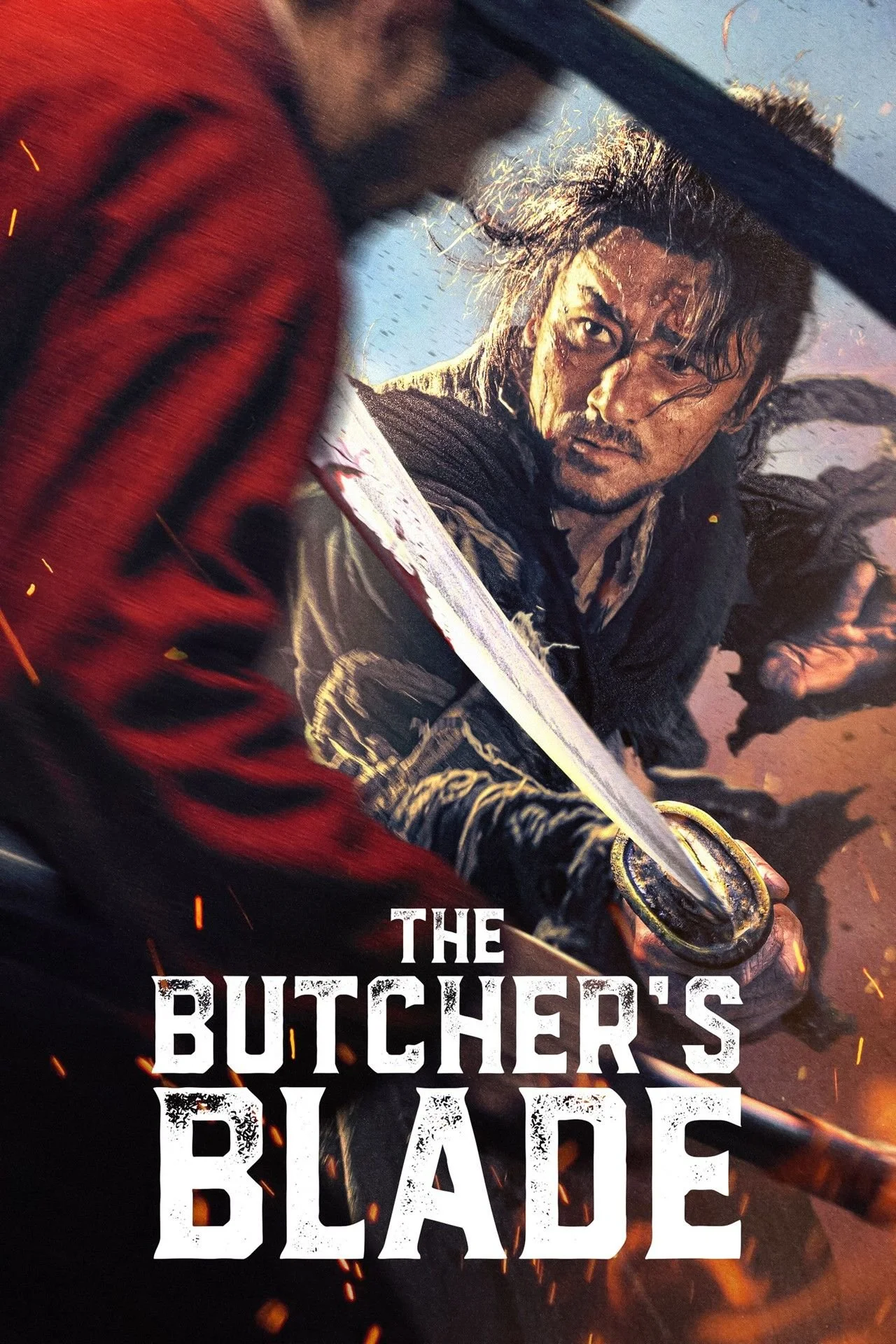
For a current swordplay adventure: The Butcher’s Blade offers a newer route into rival warriors and blade-driven action. It is a good choice when you want to take the ideas in this guide straight into a contemporary film.
Where Cinema Kung Fu fits in
Jianghu is useful because it gives you a better way to choose a film than simply looking for “more sword fights.” If you want clan intrigue, a wandering hero, an inn full of secrets, or a story where honour is harder than winning, start in the swordplay collection. If you prefer a clearer physical learning arc, the old-school kung fu collection is a better next stop.
Cinema Kung Fu is built for the stage after a guide has sparked a real preference. The beginner’s wuxia guide can help you choose a broader route through the genre, while the Disc Guide explains what to expect from the made-on-demand releases in the collection. The goal is not to complete a checklist. It is to find the corner of the martial world you want to keep exploring.
The short version
Jianghu means the informal martial world behind many wuxia stories. It is a place of unwritten rules, travelling reputations, old debts, clan loyalties, dangerous inns, and heroes who act when ordinary authority fails. It is not a map location, and it is not a strict genre label. It is the social pressure that makes a swordfight mean something.
On your next watch, pay attention to who owes whom, who recognises a name, and what a character risks by doing the honourable thing. That is jianghu at work. Once you can see it, the world of wuxia gets bigger, clearer, and much harder to leave.
Frequently asked questions
What does jianghu literally mean?
Jianghu literally means rivers and lakes. In wuxia, it is the informal world beyond ordinary official life: a shifting society of martial artists, clans, inns, teachers, outlaws, travellers, debts, and personal codes.
Is jianghu a real place?
No. Jianghu is not a place you can find on a map. It is a way of describing a social world with its own rules, loyalties, dangers, and reputations. A wuxia story can move between towns, courts, mountains, and inns while still taking place within jianghu.
Why are inns so important in wuxia movies?
An inn is where the wider martial world collides. A traveller can hide a secret, an official can pursue an order, rival schools can meet, and a stranger can turn out to be far more capable than they appear. It lets a film build suspense before the first fight.
Is jianghu the same as wuxia?
No. Wuxia is the genre of martial chivalry stories. Jianghu is the social world many of those stories use. You can think of wuxia as the kind of story and jianghu as the world of loyalties, rivalries, and unwritten rules inside it.
What should I watch after learning about jianghu?
Try a swordplay film with a strong sense of rival clans, secret identities, or travelling heroes. The Killer Clans is a good starting point for intrigue, while The One Armed Swordman gives a more personal story of skill, pride, and obligation.
Related posts
Wuxia Film Guides
What Is Wuxia? A Beginner's Guide to Chinese Swordplay Movies
Learn what wuxia means, how it differs from kung fu movies, and the best first Chinese swordplay films to watch.
Read the guide ›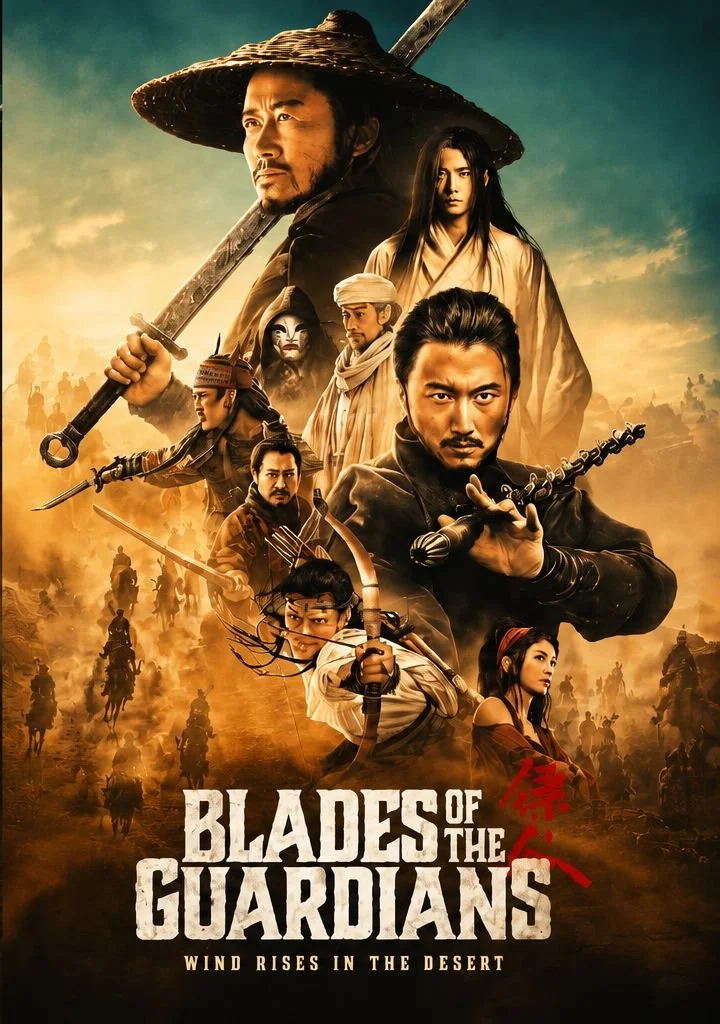
Wuxia Film Guides
9 Best Wuxia Movies for Every Kind of Viewer
The best wuxia movies for a first watch, from classic inn thrillers to modern swordplay spectacle.
Read the guide ›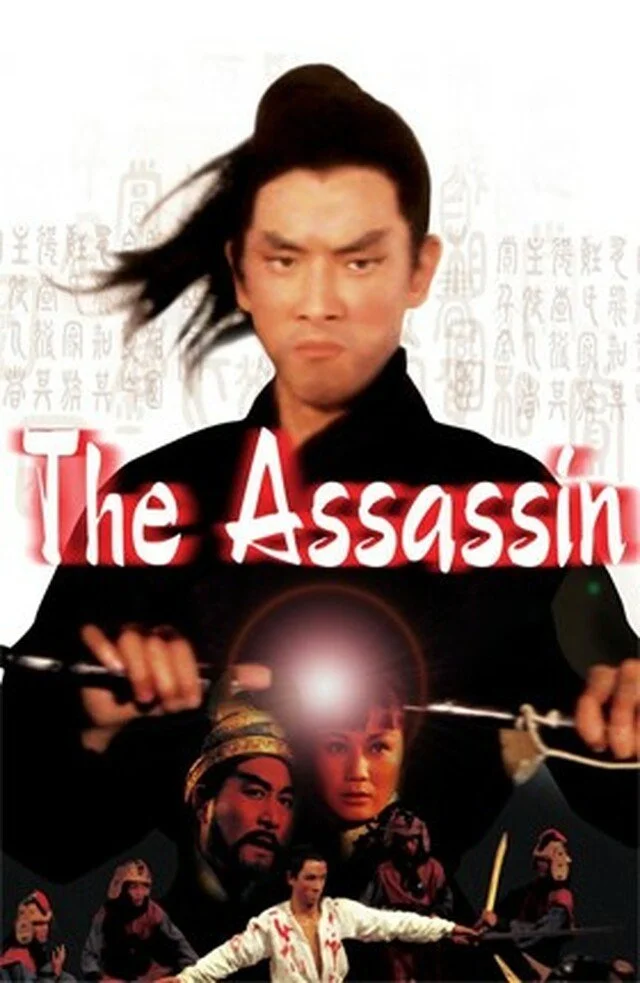
Wuxia Film Guides
Wuxia vs Kung Fu: What's the Difference?
A practical way to tell swordplay legend from grounded martial arts action, and find the right next watch.
Read the guide ›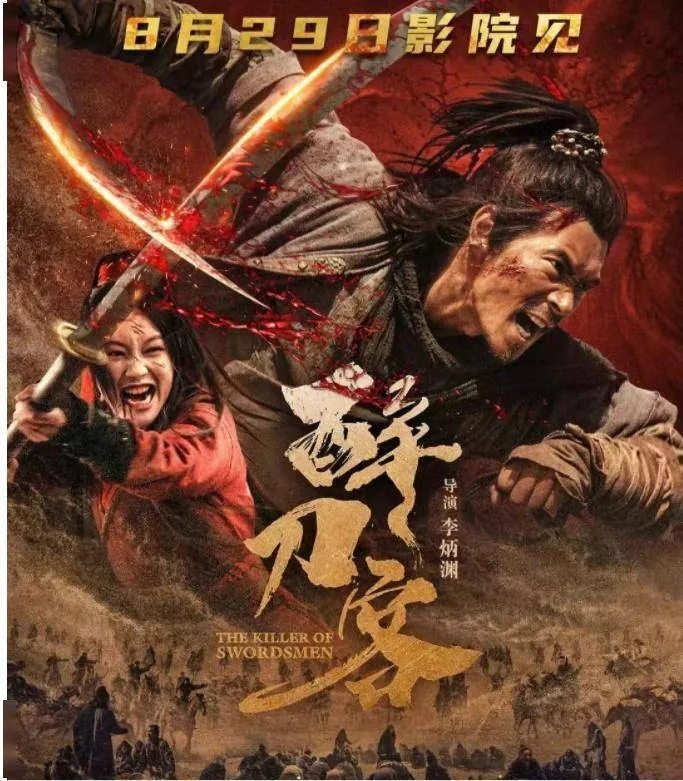
Wuxia Film Guides
Wuxia vs Xianxia: How to Tell the Difference
A clear way to separate martial-world drama from immortal fantasy, and choose the kind of Chinese action story you want next.
Read the guide ›