Wuxia Film Guides
What Is Wuxia? A Beginner's Guide to Chinese Swordplay Movies
Learn what wuxia means, how it differs from kung fu movies, and the best first Chinese swordplay films to watch.
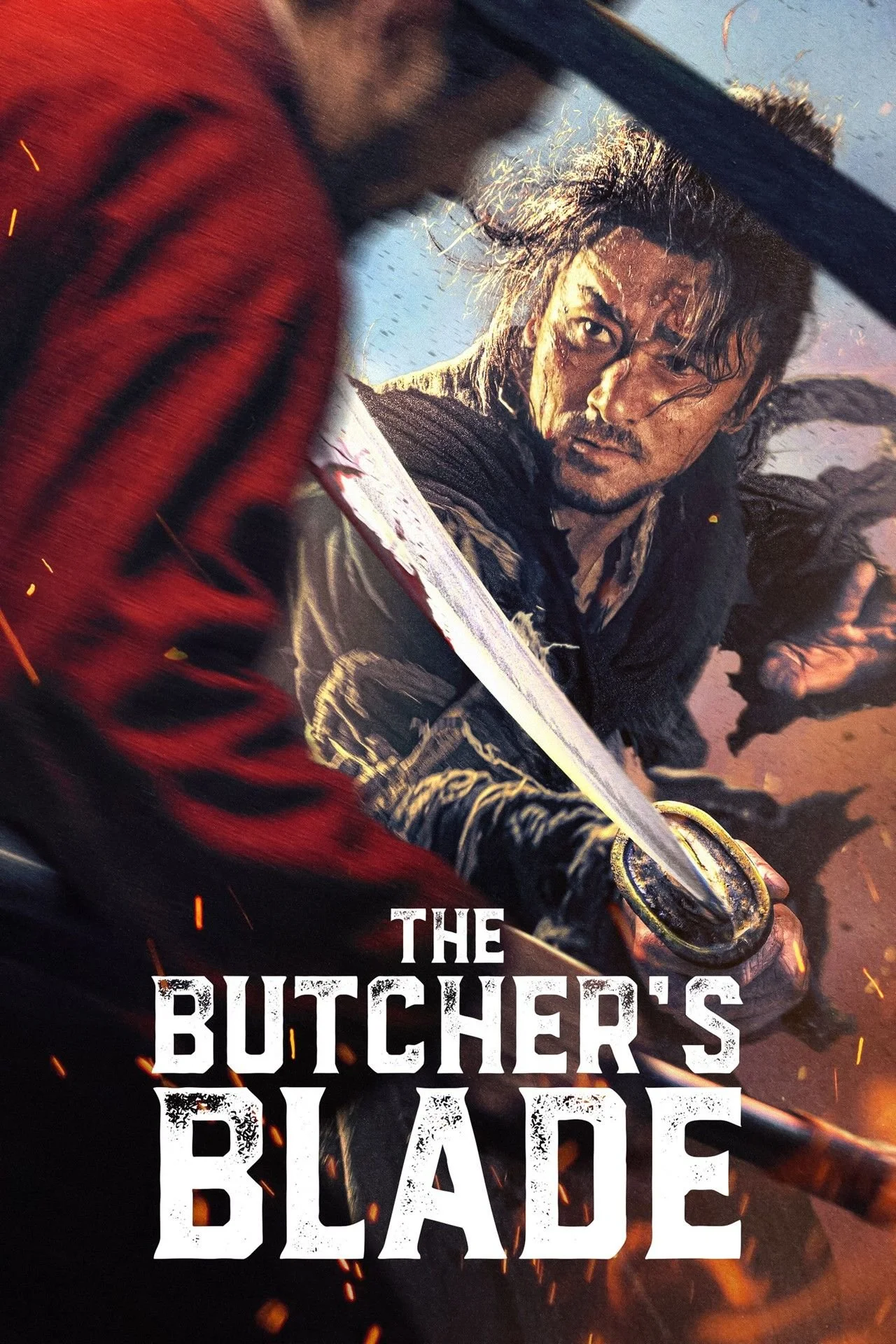
Wuxia is Chinese martial chivalry: stories about skilled fighters whose choices are shaped by honour, loyalty, freedom, and the rules of a wider martial world. You may get blades, flying kicks, tavern ambushes, revenge plots, and rival schools, but the real engine is usually xia, a sense of personal honour that can matter more than status, comfort, or even survival.
In short, wuxia is the Chinese swordplay tradition where action carries the weight of character and personal honour. Start with Crouching Tiger, Hidden Dragon for the clearest doorway, move to Dragon Inn for classic suspense, then try The Blade when you want something rougher and more modern. For a wider set of first-watch choices, see the best wuxia movies for every kind of viewer.
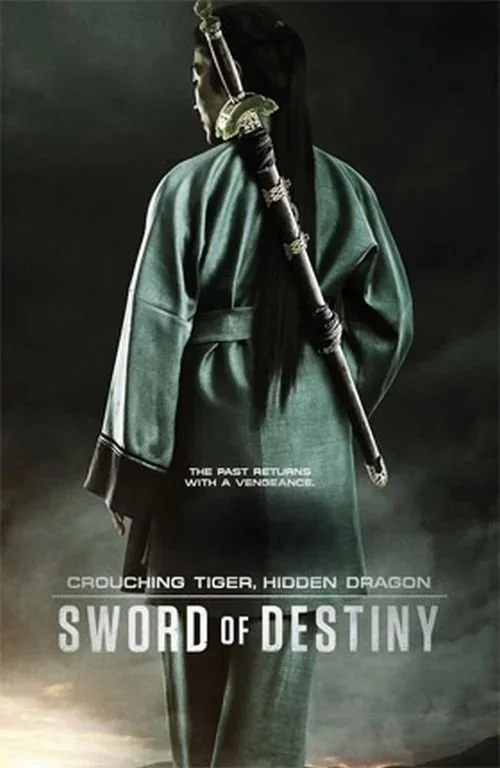
Start here: Crouching Tiger, Hidden Dragon for a clear, emotionally direct first watch.
Go classic next: Dragon Inn for a tense story of secrets, rival loyalties, and a dangerous inn.
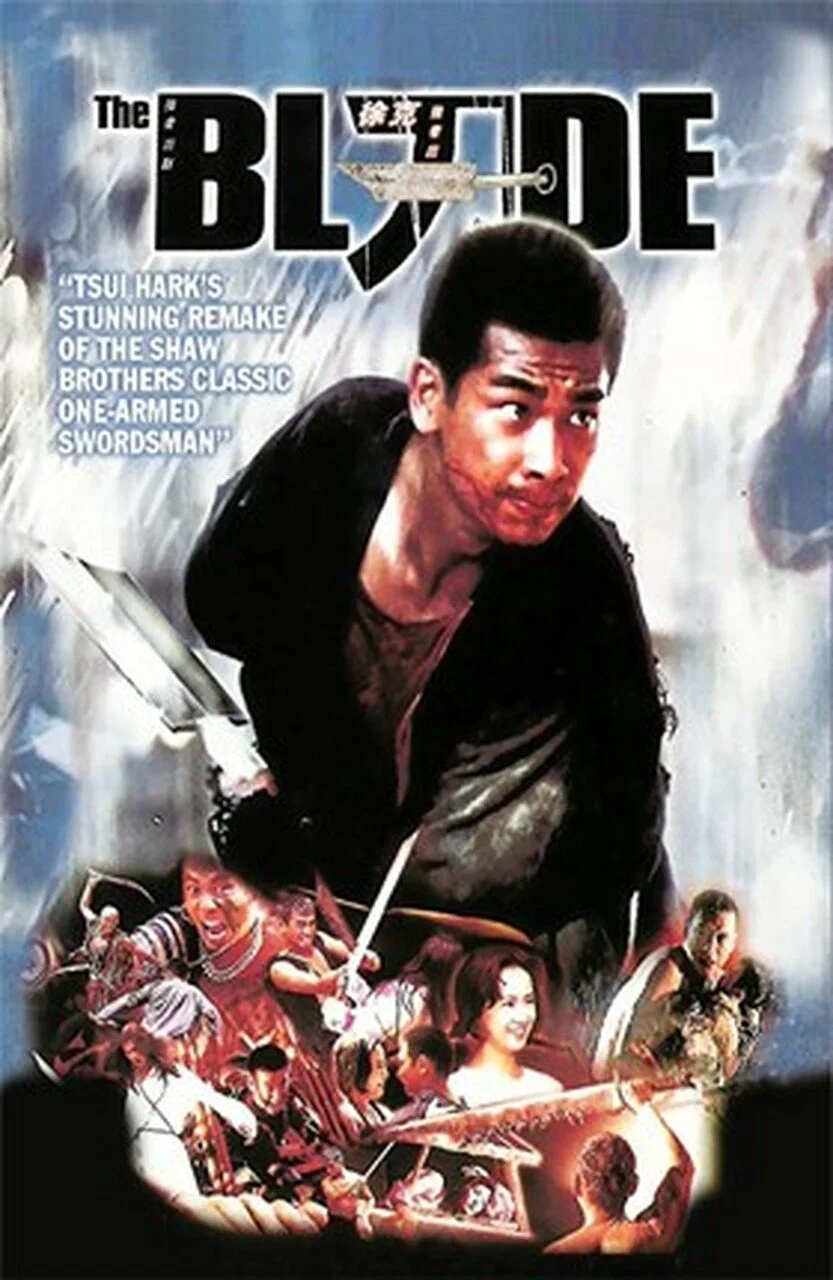
Try a harder edge: The Blade for a restless, modern take on swordplay.
That can make wuxia movies easy to recognise and surprisingly hard to define. This guide gives new viewers a useful way in: what to look for, how wuxia differs from kung fu cinema, and a sensible route from famous crossover films into the stranger, sharper corners of swordplay. For a closer comparison, read Wuxia vs Kung Fu, then explore the world of jianghu that gives these stories their distinctive setting.
What is a wuxia movie?
Wuxia literally joins the ideas of “martial” and “chivalry.” Its heroes are often wandering fighters, swordspeople, scholars, or outcasts who take action when official power has failed. The stories unfold in the jianghu, an informal world of inns, secret identities, martial schools, outlaw bands, and shifting loyalties. A short guide to the wuxia film describes the xia hero as a warrior governed by a code, moving through this separate “rivers and lakes” world rather than simply serving the state.
The genre is rooted in Chinese literature long before film. The BFI's guide to wuxia swordplay traces the screen form back to a centuries-old tradition of Chinese fiction and points to directors such as King Hu and Chang Cheh as central figures in the 1960s revival. That history matters because it explains why a wuxia plot can feel both intimate and enormous: one person’s choice at an inn may connect to a court conspiracy, a family debt, or a whole martial world.
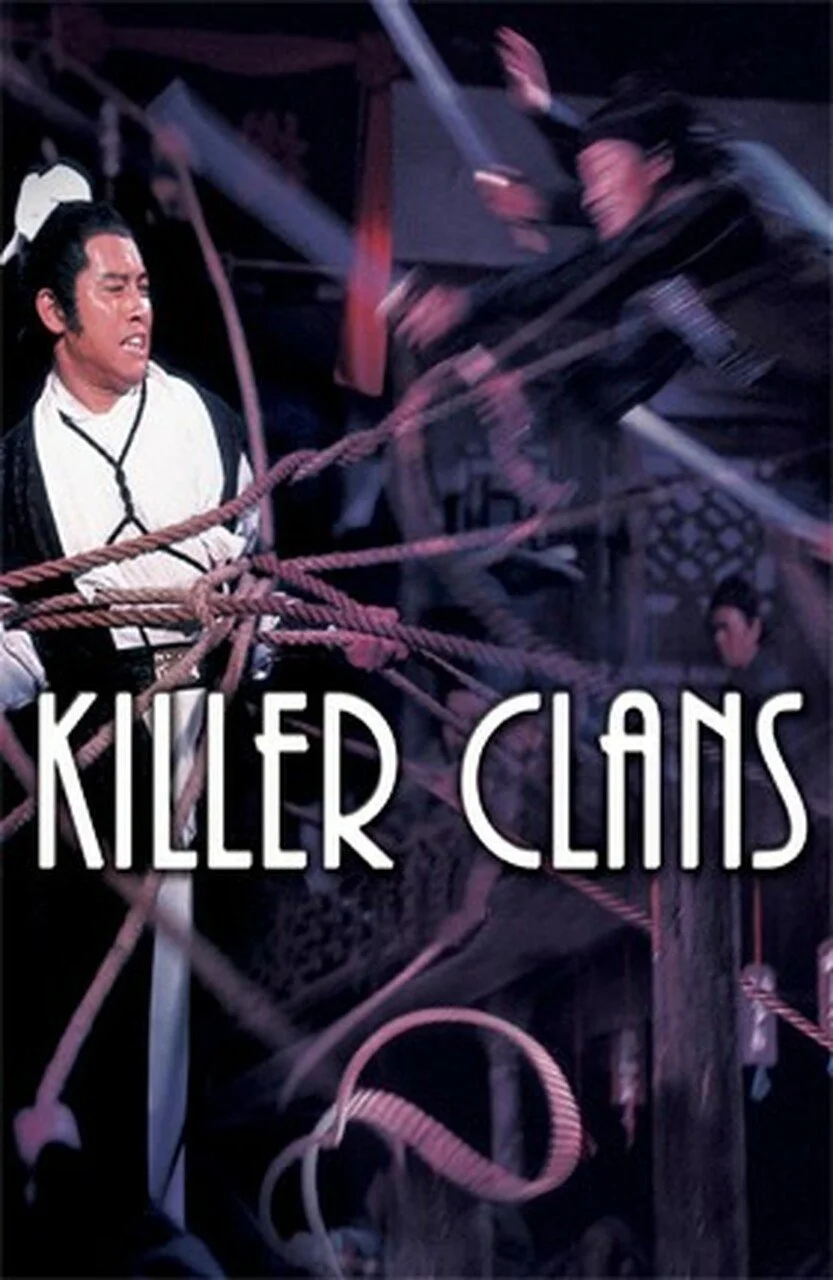
Wuxia versus kung fu: the useful difference
Both genres prize choreography and screen presence, so the labels overlap in everyday conversation. The useful distinction is the feeling of the action. A kung fu film often asks you to watch a body learn, endure, and prove itself through visible technique. Training, stance, rhythm, and a physical challenge are the point. Wuxia can use martial skill too, but it is often more mythic. A fighter may glide across rooftops, cross water, leap through trees, or turn a sleeve, a fan, or a sword into an extension of character.
That does not mean wuxia is “less real” in a negative sense. It is simply operating with different rules. The BFI calls it a world of swords, sorcery, chivalry, and romance; its best films use those elements to make emotion visible. A duel is not only about who wins. It can be a conversation about loyalty, grief, betrayal, or the price of refusing an unjust order.
For a quick screening test, ask three questions. Does the film build a wider world of martial codes and competing loyalties? Does the action feel stylised or even impossible rather than strictly athletic? And are the stakes tied to honour, freedom, or an obligation that no official institution can solve? The more often the answer is yes, the closer you are to wuxia.
What makes the great ones work
The best wuxia movies make movement tell the story. King Hu was especially influential here. Criterion’s study of A Touch of Zen notes the disguises, pursuits, political pressure, and “weightless” leaps that run through the tradition, while also showing how Hu delayed combat to let tension, space, and character do the work first. You do not need to know every name or dynasty to feel that approach. You can see it when a quiet corridor becomes dangerous, when a group enters an inn and the camera tells you who is watching whom, or when a landscape turns into part of the choreography.
That attention is why older wuxia should not be treated as a pile of dated fight scenes. Some films are fast and furious. Others are patient, ghostly, comic, or romantic. The genre makes room for female heroes, doomed lovers, eccentric masters, conspirators, and characters who can be morally right without being socially powerful. A useful first watch leaves you wanting more than another fight. It leaves you curious about the code the characters are trying to live by.
A first-watch route that does not overwhelm you
1. Start with a doorway film
Crouching Tiger, Hidden Dragon remains an easy entry because its characters and conflicts are immediately legible even when the setting is unfamiliar. The bamboo-forest sequence is famous for a reason, but the film also teaches you to watch for restraint, longing, and the social pressure behind a fight. It is a good place to learn that wuxia spectacle and quiet feeling can sit in the same scene.
2. Move back to the architects
Then try King Hu. Dragon Inn is a strong next step if you want suspense and an ensemble gathering in one place. A Touch of Zen is the better choice if you want atmosphere, mystery, and a film willing to take its time before the action breaks loose. The BFI’s essentials list places both films at the heart of the modern wuxia wave, alongside Chang Cheh’s One-Armed Swordsman.
3. Choose your flavour
From there, follow your own appetite. Want heightened colour and large-scale emotion? Try Zhang Yimou’s Hero or House of Flying Daggers. Want ruthless 1990s energy? Look for Tsui Hark’s The Blade. Want a comic book blast of speed and style? Swordsman II is a fine test. Want an old-school, plot-heavy film where martial-world rivalries are the draw? Start with Shaw Brothers swordplay.
The point is not to complete a canon in order. It is to find the pressure point that appeals to you: the painterly fantasy, the haunted inn, the tragic romance, the clan intrigue, or the wild invention of the fight design. From there, your next choice gets easier.
Four things to watch for on your first few films
The inn is never just an inn
In wuxia, a roadside inn is often a pressure cooker. People arrive under false names. A traveller carries a message or a secret. Someone is being watched. A room can contain a government agent, a loyal bodyguard, a robber, a disguised fighter, and a person who is not who they claim to be. Watching how the film introduces each person is part of the pleasure. You are meant to notice the glances, the pauses, the way a weapon is placed on a table, and the moment polite conversation starts to feel dangerous.
The action has a point of view
Do not only ask whether a fight looks impressive. Ask what the film lets you see. Some directors make every movement clean and legible, so you can follow the exchange of skill. Others use editing, wind, cloth, dust, shadow, or a sudden change in distance to make a duel feel disorienting. Neither approach is automatically better. The question is whether the style matches the emotion. A confused character may be surrounded by fractured cuts; a fighter finding calm may get a clean, measured frame.
Honour creates the real conflict
A villain can be obvious, but the harder choice is usually between two valid obligations. Does a hero protect a friend, obey a teacher, preserve a family name, or refuse an unjust command? Wuxia earns its romantic intensity when there is no easy way to remain decent. That is why a quiet promise can matter as much as a sword stroke. Once you start listening for these obligations, the apparently elaborate plots become easier to follow.
Fantasy changes the scale, not the stakes
Wire-assisted leaps and impossible movement can look playful or extravagant to a first-time viewer. Treat them as a visual language. A character crossing a roofline is not merely showing off; the movement can signal freedom, danger, separation, or the gap between ordinary life and the martial world. The effect works best when it makes the emotional stakes larger without making the people inside the story feel smaller.
How to browse like a collector
When a title has multiple English names, a different poster, or an unfamiliar cast, it is tempting to skip it. That is exactly where a collector’s approach helps. Start with the director, studio, performer, or story shape you already liked. A King Hu connection, a Shaw Brothers credit, a revenge plot, a one-against-many swordsman, or a mysterious inn can be enough to make a new title worth a closer look.
Then read the listing rather than trusting cover art alone. Cinema Kung Fu’s Disc Guide explains what to expect from a made-on-demand DVD-R and why source quality can vary with rare material. That is important for this part of film history: rarity is not the same thing as restoration, and a good purchase starts with clear expectations. The site’s full collection also makes it easy to move from swordplay into Shaw Brothers films, older kung fu, or newer action once a particular style catches your attention.
Where Cinema Kung Fu fits in
Cinema Kung Fu is built for the stage after a recommendation list: when you know the kind of film you want but it is no longer sitting on the shelf at an ordinary retailer. The collection has a dedicated swordplay section alongside related martial arts categories, so you can follow the genre rather than hunt one title at a time.
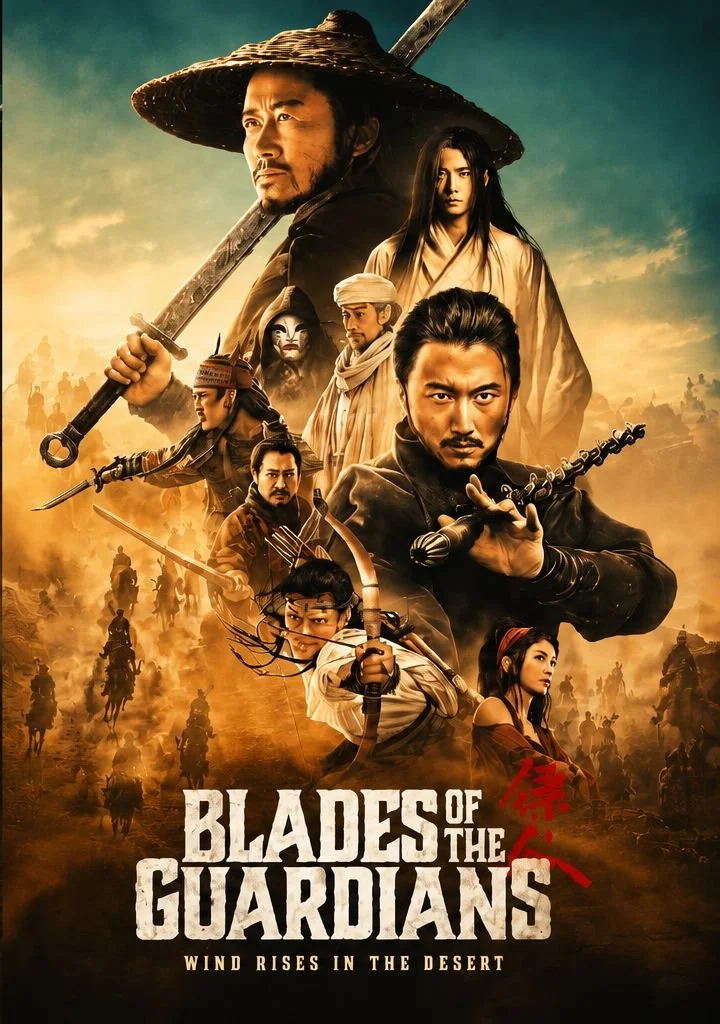
For a current example, Blades of the Guardians: Wind Rises in the Desert carries the genre forward with a desert setting and a sword-wielding bounty hunter. A recent BFI review places it plainly in the wuxia tradition, even while judging its modern action spectacle on its own terms. If you prefer older, harsher swordplay, The Blade gives you Tsui Hark’s abrasive reworking of classic material. Those two titles are not interchangeable, which is the fun of collecting this genre.
The short version
Watch wuxia for more than the fighting. Look for chivalry under pressure, a world beyond official rules, and action that expresses feeling as much as force. Begin with one accessible film, then follow the element that stays with you: the swordplay, the romance, the mythology, the visual design, or the strange little rules of the jianghu. That is how a single “what should I watch?” turns into a shelf with a point of view.
Give a film enough room to establish its rhythm before deciding it is not for you. Wuxia often rewards attention to mood, gesture, and the space between fights. If one title feels too solemn, try something quicker. If another feels too wild, move toward a slower King Hu film. The genre has room for both moods, and that range is the reason it stays rewarding long after the first famous title.
Frequently asked questions
What does wuxia mean?
Wuxia is usually translated as martial chivalry. It describes stories about highly skilled heroes who move through a world of wandering fighters, rival schools, corrupt officials, loyalty, and personal honour.
Are wuxia movies the same as kung fu movies?
They overlap, but they are not the same. Kung fu films tend to make training and physical combat central. Wuxia films are more likely to use historical fantasy, stylised swordplay, impossible movement, and a chivalric code.
What is a good first wuxia movie?
Crouching Tiger, Hidden Dragon is an accessible first watch because its story is emotionally direct and its action is easy to read. For an older classic, try Dragon Inn or A Touch of Zen when you are ready for slower, more atmospheric storytelling.
Do I need to know Chinese history to enjoy wuxia?
No. A little context can deepen the experience, but the central stakes are readable: duty versus freedom, loyalty versus betrayal, and the cost of living by a personal code.
Related posts
Wuxia Film Guides
9 Best Wuxia Movies for Every Kind of Viewer
The best wuxia movies for a first watch, from classic inn thrillers to modern swordplay spectacle.
Read the guide ›
Wuxia Film Guides
Wuxia vs Kung Fu: What's the Difference?
A practical way to tell swordplay legend from grounded martial arts action, and find the right next watch.
Read the guide ›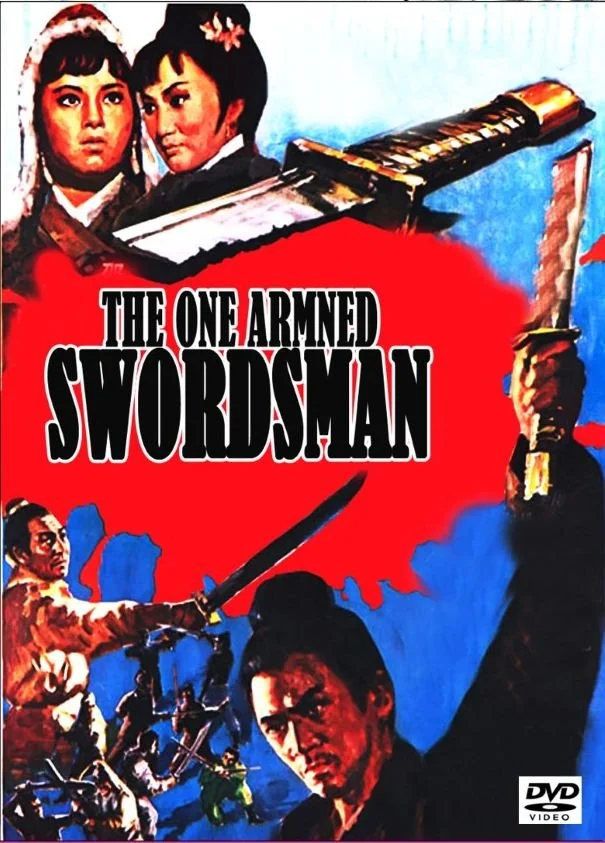
Wuxia Film Guides
Jianghu Meaning: The World Behind Wuxia Movies
What jianghu means, why it matters in wuxia, and how it helps you read the swordsmen, inns, and rival clans on screen.
Read the guide ›
Wuxia Film Guides
Wuxia vs Xianxia: How to Tell the Difference
A clear way to separate martial-world drama from immortal fantasy, and choose the kind of Chinese action story you want next.
Read the guide ›