Kung Fu Film Guides
Best Kung Fu Training Movies for a Satisfying First Watch
Kung fu training movies to try next, from disciplined teacher-and-student stories to strange late-1970s lessons that pay off in the final fight.
A great kung fu training movie does not treat practice as dead time before the real action starts. The practice is the story. A student learns why impatience fails. A master finds a way to teach someone who does not yet understand the problem. A repeated task, odd stance, or embarrassing exercise quietly becomes the answer the hero needs when the final fight arrives.
That is what makes this corner of martial arts cinema so rewarding, even if you do not know the name of every form. You can watch the change happen. At first, a fighter moves too quickly, trusts the wrong habit, or cannot read the person across from them. By the end, they have learned timing, balance, restraint, or simply the courage to keep trying. The British Film Institute points to Lau Kar-leung’s extended, inventive training in The 36th Chamber of Shaolin as a defining example of the pleasure. The lesson is useful well beyond that famous title: training is satisfying on screen when it gives a later confrontation a clear emotional and physical payoff.
These are not presented as a rigid all-time ranking. They are seven routes into the training-story mood, using real titles in the Cinema Kung Fu catalogue. Start with the kind of learning story that sounds right tonight, then let the film that lands best tell you where to go next.
Best place to start: Challenge of the Masters for a clear student-and-teacher arc.
Best for eccentric lessons: Drunken Master Slippery Snake for a pupil pushed toward an unusual answer.
Best for a comic change of pace: Dance of the Drunk Mantis for personality, frustration, and a stubborn teacher.
What makes a training story work?
Look for a problem that cannot be solved by trying harder. The hero may be talented but undisciplined. They may know one answer and keep meeting an opponent who exposes its weakness. They may need a teacher who sees potential before the student does. The best films turn that gap into a series of specific tests rather than a vague promise that the hero will be stronger by the final reel.
It helps to watch for the small thing a scene keeps returning to. Is the lesson about footwork, patience, reach, rhythm, humility, or paying attention? The movie does not need a lecture to make the answer understandable. It can show a failed attempt, a correction, and then a later moment when the same idea matters under pressure. That makes a training sequence feel less like a detour and more like a contract with the viewer.
The Hong Kong Film Archive identifies Challenge of the Masters as a 1970s Lau Kar-leung classic, while Arrow’s accompanying notes describe its student training as a story of developing discipline as well as skill. That combination is the durable appeal of this kind of picture. Practice changes what the hero can do, but it also changes how they see the fight.
Choose the kind of lesson you want to watch
Start with a traditional master-and-student story if you want the clearest emotional payoff. The teacher sets a standard, the student resists or misunderstands it, and the final conflict proves why the lesson mattered. Challenge of the Masters belongs here. It is a clean path for anyone who wants the satisfaction of watching ability arrive in stages rather than appearing out of nowhere.
Choose an eccentric training story when you want the method itself to be part of the entertainment. Beggar styles, drunken movement, comic frustration, and peculiar exercises can seem like a distraction until the film reveals what they were preparing the student to do. The rule is simple: the stranger the lesson looks, the more satisfying it is when the movie lets you see the practical reason for it.
Choose a Shaolin or group story when you want training to mean belonging to something larger. In those films, a skill can carry the memory of a school, a teacher, or a community under pressure. The hero may still have to learn, but the stakes reach beyond personal pride. That makes a good change of pace after a smaller pupil-and-master tale.
And choose an underdog story when you want every improvement to feel hard won. The character does not need to begin as helpless. What matters is that their first answer cannot carry them through the whole film. When the student has to adapt, listen, and turn a limitation into a way forward, the final fight becomes a measure of growth rather than merely a display of force.
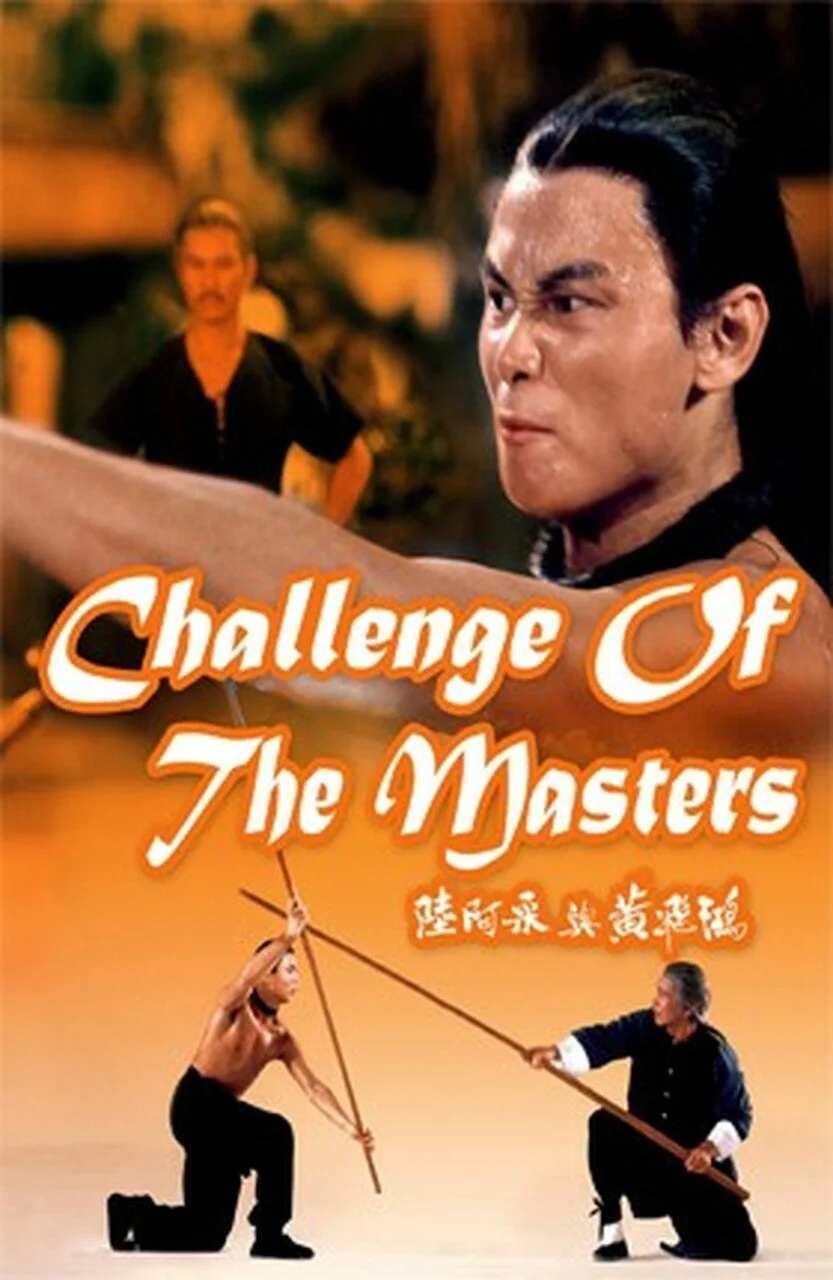
1. Challenge of the Masters (1976)
Challenge of the Masters is the first pick when you want the cleanest version of the training-story promise. A young Wong Fei-hung is sent to learn Hung Gar kung fu, giving the film a simple, satisfying shape: a restless pupil has to become capable enough to meet a danger that has already humiliated him.
What makes this a friendly entry point is that you do not need prior knowledge of Wong Fei-hung stories to understand the emotional line. The distance between youthful confidence and earned discipline is visible from the start. Arrow’s notes on the film describe the countryside training with master Lu A-cai as central to its appeal, and that is exactly the kind of relationship worth watching for. The teacher is not there to hand over a secret move. He gives the student a standard to grow into.
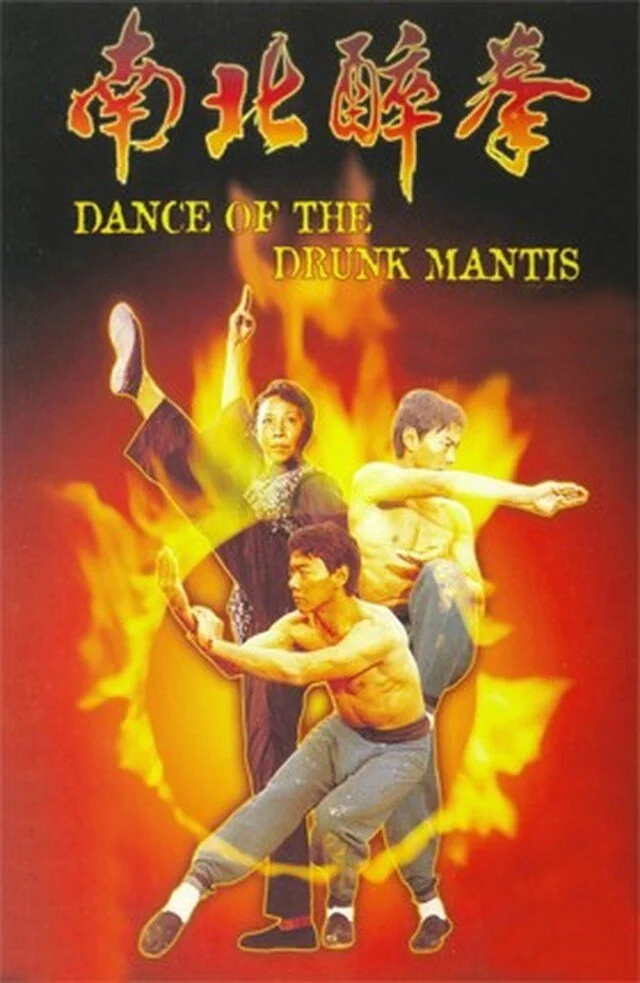
2. Dance of the Drunk Mantis (1979)
Dance of the Drunk Mantis is for viewers who want training with more mischief in its bloodstream. The Cinema Kung Fu listing frames the story around Sam the Seed trying to train his son, Foggy, a setup that immediately gives the lessons some friction. A stubborn student and a stubborn teacher can make every correction feel like a little contest.
Choose this when the idea of formal perfection sounds less appealing than personality. Kung fu comedy often makes a student’s mistakes part of the rhythm, but the better examples do not make effort meaningless. A poor habit can still be dangerous. A joke can still reveal a blind spot. When the student finally adjusts, the payoff feels earned precisely because the film let you see how hard the adjustment was.
3. Drunken Master Slippery Snake (1979)
Drunken Master Slippery Snake takes the training-story idea toward the kind of oddball method that makes late-1970s kung fu so much fun to explore. The listing describes a kung fu genius becoming Sam the Seed’s newest pupil, with beggar fist training preparing him for the trouble ahead. That gives the film a useful question: can an unusual method become practical when the pressure arrives?
This is a good follow-up when you already like the idea of a student learning an answer that does not look impressive at first. Strange movement, comic timing, or an apparently undignified routine can all become part of the strategy. The pleasure is in watching the movie make its own rules clear enough that you can understand why the final response works.
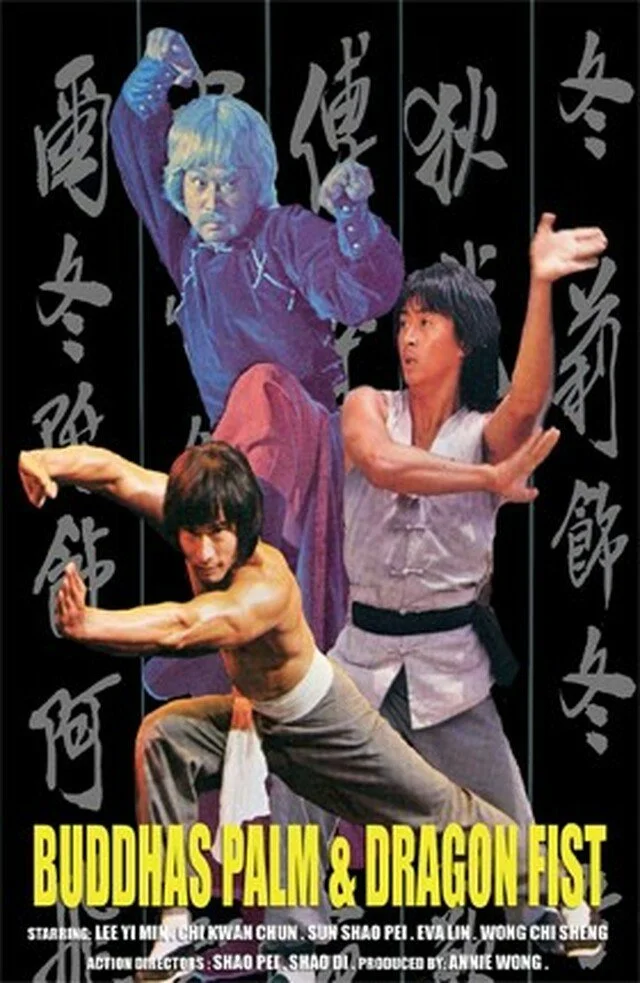
4. Buddha Palm and Dragon Fist (1980)
Buddha Palm and Dragon Fist is the pick for a viewer who wants the teacher-and-student idea attached to a more direct style question. The catalogue describes a Wing Chun master and a student, which makes the relationship itself the point of entry. A student does not simply need confidence. They need to understand the approach their teacher is asking them to practice.
Watch this kind of film for the way a style becomes a dramatic language. A teacher can be patient, severe, protective, or impossible to please. A pupil can be eager, stubborn, or slow to realize what the training is actually for. Even without technical experience, you can follow whether the student is beginning to move with more purpose and whether the story has made the central lesson matter.
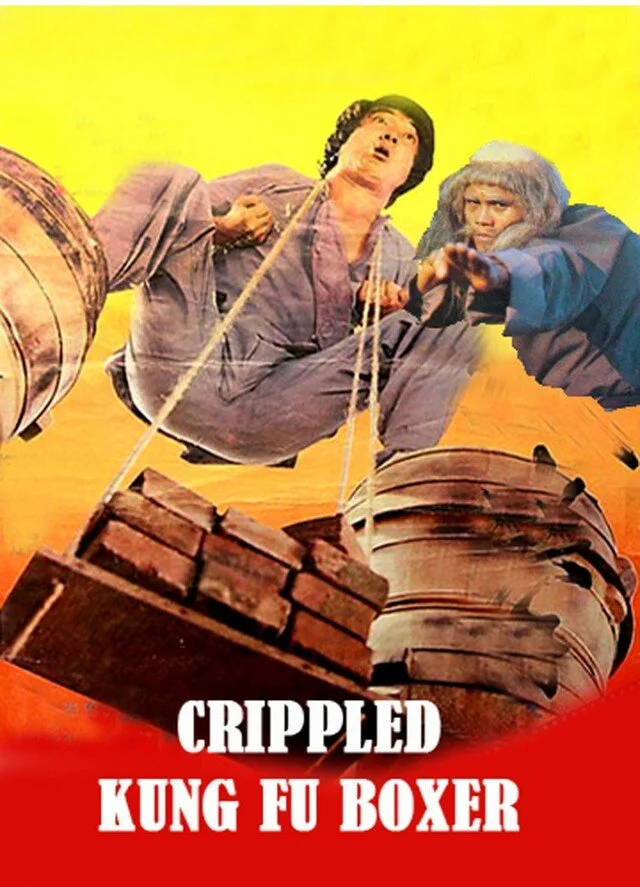
5. Crippled Kung Fu Boxer (1981)
Crippled Kung Fu Boxer is a strong choice when you enjoy an underdog training story. The Cinema Kung Fu listing places Cliff Lok’s kung fu genius in the orbit of a famous master, which gives the film the satisfying tension a training picture needs: talent alone is not yet enough, and the path forward depends on a relationship with someone who sees a way through.
Underdog stories work especially well in martial arts cinema because progress can be made visible. A mistake that caused trouble in one scene can become a lesson in the next. The hero can become more observant, more patient, or more willing to use a strength they initially misunderstood. Choose this route when you want the final confrontation to feel like a test of growth rather than a simple measure of toughness.
6. Five Shaolin Masters (1974)
Five Shaolin Masters shifts the emphasis from one pupil’s routine to a group carrying a shared training tradition. That makes it a good move when you want Shaolin atmosphere, loyalty, and several fighters whose different strengths matter. The appeal is not just watching who wins a single exchange. It is seeing what a community of trained people does after its world has been put under pressure.
Choose it after a more intimate teacher-and-student picture when you want the same idea widened out. Training can mean a relationship to a school, a family, or a history, not only a montage. If that communal side is what sticks with you, the site’s Shaw Brothers first-watch guide is a useful next read.
Where to go after a training story
The best way to use a training movie is to let its particular lesson lead the next choice. If you liked the patient teacher-and-pupil shape of Challenge of the Masters, stay close to clear training arcs. If the comic friction in Dance of the Drunk Mantis worked for you, move toward the site’s kung fu comedy guide. If you enjoyed a style becoming the actual problem to solve, try a school-rivalry story or the wider old-school kung fu collection.
Cinema Kung Fu is most helpful after you know what you want more of. Individual listings make it easier to check the exact title, performers, and disc details before ordering, while the Disc Guide explains what to expect from collector-oriented releases. That means a film can be a trailhead, not a blind pick: follow the teacher, student, actor, studio, period, or strange technique that made the first watch memorable.
The short version
Start with Challenge of the Masters for the most direct first watch. Pick Dance of the Drunk Mantis or Drunken Master Slippery Snake when you want the lesson to be eccentric and comic. Choose Buddha Palm and Dragon Fist for a specific master-and-student path, and Crippled Kung Fu Boxer when an underdog arc sounds best. The right film is the one whose version of practice sounds fun enough to make you press play.
Frequently asked questions
What is a good first kung fu training movie?
Challenge of the Masters is a strong first choice because the student-and-teacher relationship is easy to follow. You can see the difference between a restless beginner and a more disciplined fighter, then enjoy the payoff when the training matters.
Why are training scenes so important in kung fu movies?
They give the action a story job. A repeated exercise, correction, or strange rule becomes meaningful later, when the hero needs more than strength to answer a dangerous opponent.
Do I need martial arts experience to enjoy these films?
No. The most satisfying training films make the dramatic problem clear through the action. Watch who is learning, what they keep getting wrong, and what changes when they begin to understand their teacher or opponent.
What should I watch after a kung fu training story?
Follow the element that worked for you. Move toward kung fu comedy if you liked the eccentric teacher-and-pupil rhythm, browse Shaw Brothers films if you want more formal styles and studio spectacle, or use the wider kung fu collection for another deep-cut discovery.
Related posts

Wuxia Film Guides
Classic Kung Fu Movies: How to Choose Your First
A collector's guide to finding the right first classic kung fu movie, from training stories and rival schools to wild late-1970s action.
Read the guide ›
Wuxia Film Guides
9 Best Kung Fu Movies to Watch Tonight
Looking for the best kung fu movies? Start with nine great picks, from training stories and school rivalries to wild Shaw Brothers action.
Read the guide ›
Wuxia Film Guides
7 Best Kung Fu Comedy Movies for Your Next Watch
Seven kung fu comedy movies to start with, from Jackie Chan action comedy to oddball training stories and late-1970s deep cuts.
Read the guide ›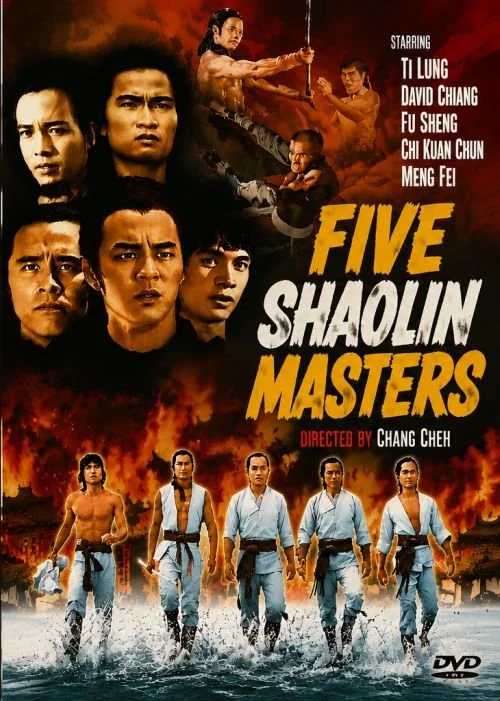
Wuxia Film Guides
7 Best Shaw Brothers Movies for Your First Watch
A practical route into Shaw Brothers movies, from training stories and clan mysteries to swordplay spectacle.
Read the guide ›