Wuxia Film Guides
8 Movies Like Crouching Tiger, Hidden Dragon: What to Watch Next
Find the best movies to watch after Crouching Tiger, Hidden Dragon, from Hero and Dragon Inn to A Touch of Zen and The Blade.
Crouching Tiger, Hidden Dragon can leave a very specific kind of afterglow. You may remember the bamboo forest, but the film’s pull is not just graceful action. It is the ache underneath the action: the things its characters cannot say, the rules they cannot escape, and the dangerous freedom that a sword seems to promise.
That is why the obvious next watch is not simply another movie with wirework or period costumes. The better question is what stayed with you. Was it the romance? The rivalry between women who recognize themselves in each other? The visual elegance? The secret identities and old debts? Or the idea that a fight can reveal a person more clearly than a confession?
This guide uses those feelings as a map. Each film takes a different route through wuxia, Chinese martial-chivalry cinema. Start with the entry that sounds most like the evening you want, then follow the directors, stars, studios, and story shapes that catch your attention.
Best first choice: Hero for the same sense of visual grandeur, longing, and moral weight.
For secrets and suspense: Dragon Inn for hidden identities, shifting alliances, and precise swordplay.
For quiet mystery: A Touch of Zen when the atmosphere and emotional pull mattered as much as the action.
If you want another sweeping, emotional spectacle: Hero
Zhang Yimou’s Hero is the cleanest next move for viewers drawn to the scale and visual control of Crouching Tiger, Hidden Dragon. Its action is built around color, memory, and conflicting accounts of the same event. The duels are beautiful, but the point is not only who is strongest. Each version of the story changes what courage, loyalty, and sacrifice mean.
Where Crouching Tiger keeps returning to private longing, Hero reaches toward a larger political question. It is more formal and more openly designed, which makes it a good choice when you want an evening of big images and moral tension. The British Film Institute’s wuxia selection places both films in a wider tradition of swordplay, romance, and heroic storytelling rather than treating them as isolated crossover hits.
If you want tense rooms, secrets, and swordplay: Dragon Inn
King Hu’s Dragon Inn is the choice for anyone who loved the sense that every conversation in Crouching Tiger has a second meaning. A remote inn becomes the meeting point for fighters, officials, protectors, and assassins. People arrive under false identities, alliances keep shifting, and the smallest gesture can become a threat.
It is leaner and more suspenseful than Ang Lee’s film, but it gives you the same pleasure of watching skilled people feel each other out before a fight breaks open. Criterion’s essay on Dragon Inn is especially useful for noticing how King Hu turns entrances, meals, corridors, and windows into part of the action. Choose this one when you want to see why the wuxia inn is such a durable setting.
If you want mystery, atmosphere, and patience: A Touch of Zen
A Touch of Zen is the right answer when the quiet scenes of Crouching Tiger, Hidden Dragon mattered as much as the famous fights. It begins with a scholar, a mysterious woman, and an old house, then slowly opens into political danger, spiritual unease, and action that seems to float free of the ground.
Do not put it on when you want a quick hit of plot. Its power comes from accumulation. The silences, landscapes, and spaces between people have as much weight as the combat. Criterion’s close look at A Touch of Zen traces the care King Hu gave to its space, costumes, and gradual dramatic build. It is a reminder that wuxia can be a ghost story, a political thriller, and a mood piece at the same time.
Its patience is also a useful reset after a modern blockbuster. Let the film establish its rhythm. Once it does, the movement feels less like decoration and more like an extension of the characters’ inner lives.
If you want a fierce young hero: Come Drink with Me
Before Crouching Tiger made many international viewers aware of women at the center of wuxia action, King Hu’s Come Drink with Me gave the genre one of its defining heroes. Cheng Pei-pei plays Golden Swallow, a government agent sent to recover her kidnapped brother. She is capable, observant, and constantly underestimated by the men around her.
The film has a different energy from Crouching Tiger. It is more playful, more compact, and more focused on the thrill of watching a composed fighter control a room. Yet the connection is easy to feel. Both films understand that grace can be intimidating, and that a woman’s apparent restraint may conceal extraordinary skill and resolve.
If you want aching romance and color: House of Flying Daggers
Zhang Yimou’s House of Flying Daggers is a strong choice when the emotional restraint of Crouching Tiger, Hidden Dragon is what you want to revisit. It has the same confidence with color, landscape, and movement, but it plays as a more immediate romantic melodrama. A police captain, a rebel group, and a woman who may not be what she seems pull the story in several directions at once.
The action is stylized, but the real tension comes from shifting trust. People keep choosing between duty and desire, even when each choice makes the next one harder. That is a familiar wuxia pressure point. If Crouching Tiger made you care about the things its heroes could not say aloud, this film gives you another beautiful, painful version of that problem.
It is also a useful reminder that wuxia does not need to be solemn. It can be lush, sensual, and deliberately heightened without losing its emotional stakes. Choose it when you want a film that treats the visual world as part of the romance, not just as a backdrop for the fights.
If you want bruised, high-voltage swordplay: The Blade
Tsui Hark’s The Blade takes the emotional damage and swordplay drama of older wuxia and runs it through a 1990s pressure cooker. It is loosely inspired by One-Armed Swordsman, but its world is harsher, dirtier, and less stable than the elegant spaces of Crouching Tiger. The camera is restless, the violence feels costly, and every character seems one bad decision from disaster.
This is the pick when you want something raw rather than romantic. It may feel disorienting at first, especially after Ang Lee’s measured clarity. That is part of the design. Tsui Hark wants the action to feel dangerous and unstable. The result shows how far wuxia can stretch while staying loyal to the same concerns with injury, honor, revenge, and a fighter’s place in a hostile world.
If you want plots within plots: The Killer Clans
The Killer Clans is for the viewer who likes to be kept one step behind the story. Directed by Chor Yuen and adapted from a Gu Long novel, it moves through masks, rival groups, traps, betrayals, and identities that refuse to stay simple. The pleasure is not just the fights. It is the ongoing question of who knows what, who is lying, and what an old promise is really worth.
This side of wuxia can feel closer to a mystery than an action film. The sets are heightened, the mood is theatrical, and every corner seems to hide another complication. If you enjoyed the way Crouching Tiger lets history and obligation shape the present, The Killer Clans offers a denser, more playful version of that experience.
If you want a direct return to the same world: Sword of Destiny
Crouching Tiger, Hidden Dragon: Sword of Destiny is the most literal route back. It returns to the world of the original with Michelle Yeoh and Donnie Yen, but it is best approached as a later companion rather than a replacement for Ang Lee’s film. Its pleasures are more immediate: familiar imagery, returning connections, and a chance to spend more time in a world that already means something to you.
That makes it a useful collector’s choice. It does not need to carry the entire weight of the first film to be worthwhile. Sometimes the best next watch is not a perfect duplicate. It is a related story that lets you notice which parts of the original you were hoping to revisit.
Cinema Kung Fu currently carries Crouching Tiger, Hidden Dragon: Sword of Destiny. Before buying a hard-to-find title, the site’s Disc Guide explains the made-on-demand format and source expectations.
How to pick your next wuxia movie
Use the feature you liked most as your filter. Choose Hero for color, scale, and a grand moral question. Choose Dragon Inn for tension and hidden identities. Choose A Touch of Zen for mystery and atmosphere. Choose Come Drink with Me for a sharp, charismatic hero. Choose The Blade for raw intensity. Choose The Killer Clans for ornate intrigue.
That is a better approach than looking for another film that matches every surface detail. Wuxia is not one speed, one era, or one mood. A film can have a similar sword, costume, or rooftop leap and still give you a completely different experience. Following the emotional thread is what turns a one-off favorite into a personal map of the genre.
For a clearer sense of the genre’s wider territory, read Cinema Kung Fu’s beginner’s guide to wuxia movies, then compare wuxia and kung fu movies or wuxia and xianxia. Each guide helps make the next recommendation more specific.
Where Cinema Kung Fu fits in
Cinema Kung Fu is most useful after you know what you are seeking. The swordplay collection gives collectors a practical place to follow the martial-world side of this guide, from rival clans and dangerous journeys to newer action films built around blades and old codes.
Start with the story shape, then inspect the individual listing. Alternate titles are common in older martial arts cinema, and source quality can vary with rare material. That is why it pays to read the listing and the Disc Guide before ordering. A collection becomes more satisfying when each film has a reason to be there.
Harvard Film Archive describes King Hu as an artist who made wuxia into a distinctive cinematic language, not simply a genre exercise. Its King Hu program notes offer a useful next read once one of these films makes you want to look closer. The best next watch is the one that gives you another thread to follow.
The short version
After Crouching Tiger, Hidden Dragon, do not chase the bamboo sequence alone. Follow the part of the film that stayed with you. For romance and visual grandeur, try Hero. For secrets and tension, try Dragon Inn. For quiet mystery, try A Touch of Zen. For a more modern, brutal charge, try The Blade.
Each choice opens a different door into wuxia. Take one, then let that movie tell you where to go next.
Frequently asked questions
What should I watch after Crouching Tiger, Hidden Dragon?
Start with Hero if you want another grand, visually designed wuxia film. Try Dragon Inn for tense swordplay and secret identities, or A Touch of Zen for a slower, more mysterious classic. The best next choice depends on whether you want romance, intrigue, atmosphere, or sharper action.
Is Crouching Tiger, Hidden Dragon a wuxia movie?
Yes. It is a wuxia film, meaning a martial-chivalry story shaped by skilled fighters, personal codes, hidden identities, and conflicts that cannot be solved by official power alone. Its emotional intimacy and international reach make it a particularly accessible doorway into the tradition.
Are there movies like Crouching Tiger, Hidden Dragon with Michelle Yeoh?
Yes. Michelle Yeoh appears in a wide range of action cinema, and Cinema Kung Fu currently carries Crouching Tiger, Hidden Dragon: Sword of Destiny. That later film is not a replacement for Ang Lee's original, but it is a direct route back into the same screen world.
Why do wuxia movies have people flying through the air?
The movement is a stylized storytelling language rather than a claim of ordinary realism. It can make a duel feel like an expression of freedom, longing, danger, or the distance between a character's public role and private desire.
Do I need to know Chinese history before watching wuxia?
No. Historical context can add texture, but the central conflicts are usually clear: loyalty, love, injustice, reputation, and the cost of keeping a promise. Start with the feeling and story shape you enjoy, then let later films widen the picture.
Related posts
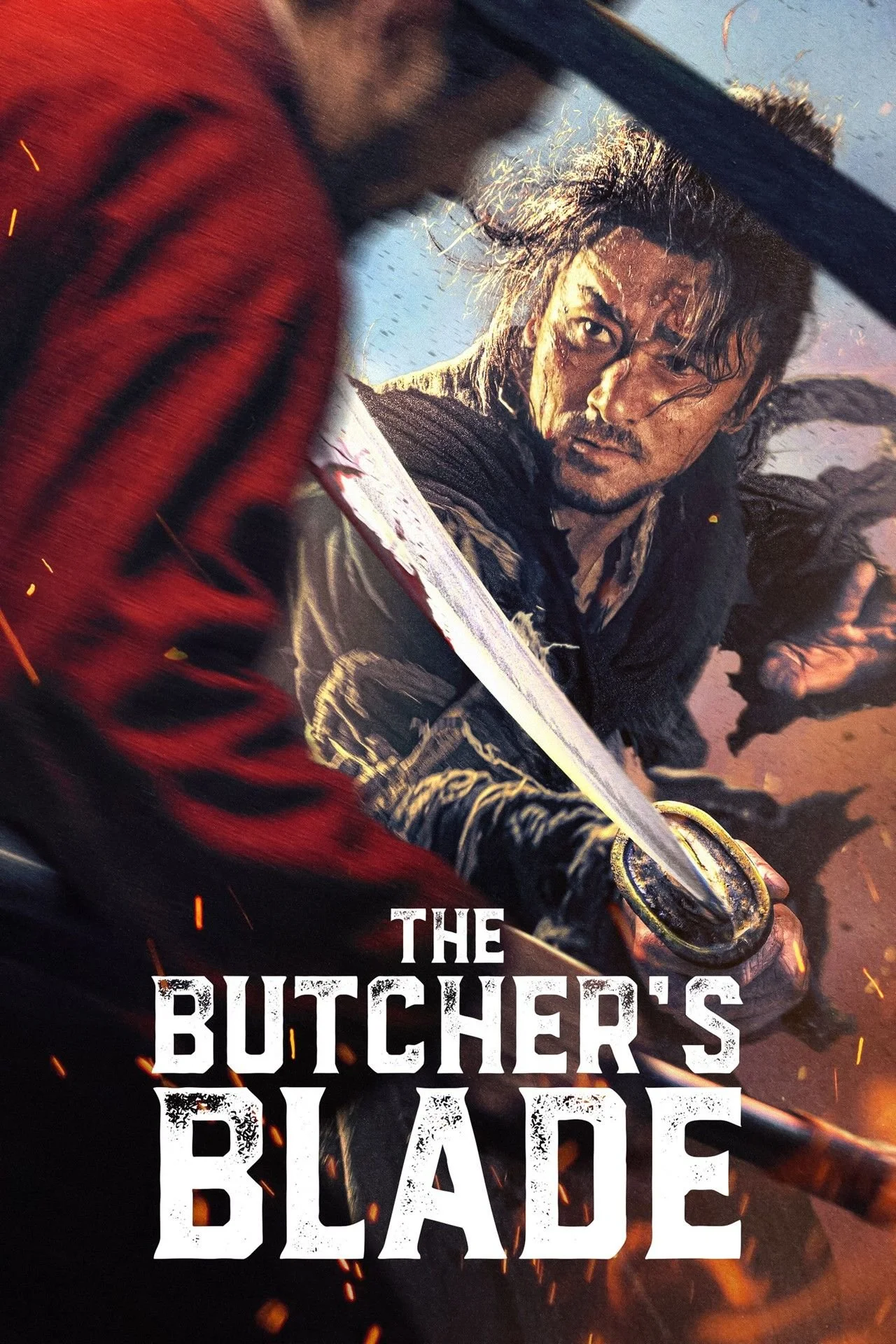
Wuxia Film Guides
What Is Wuxia? A Beginner's Guide to Chinese Swordplay Movies
Learn what wuxia means, how it differs from kung fu movies, and the best first Chinese swordplay films to watch.
Read the guide ›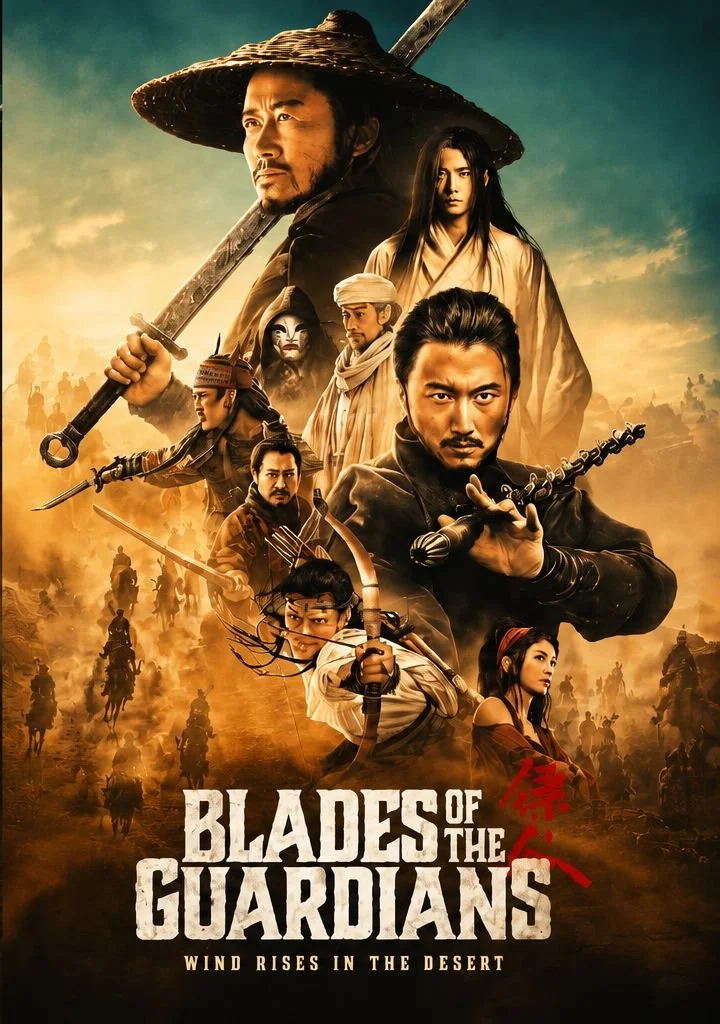
Wuxia Film Guides
9 Best Wuxia Movies for Every Kind of Viewer
The best wuxia movies for a first watch, from classic inn thrillers to modern swordplay spectacle.
Read the guide ›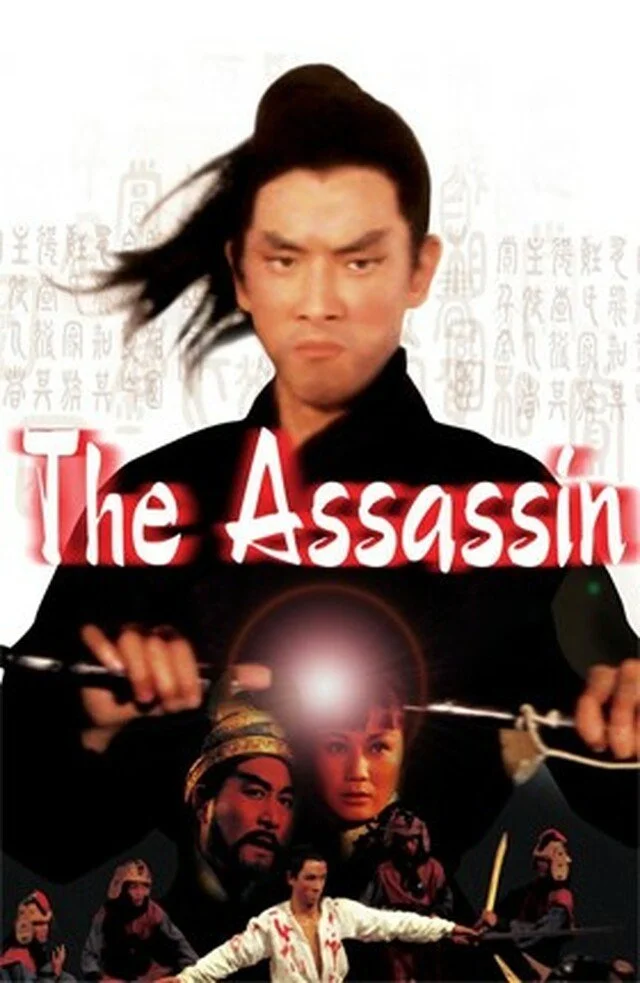
Wuxia Film Guides
Wuxia vs Kung Fu: What's the Difference?
A practical way to tell swordplay legend from grounded martial arts action, and find the right next watch.
Read the guide ›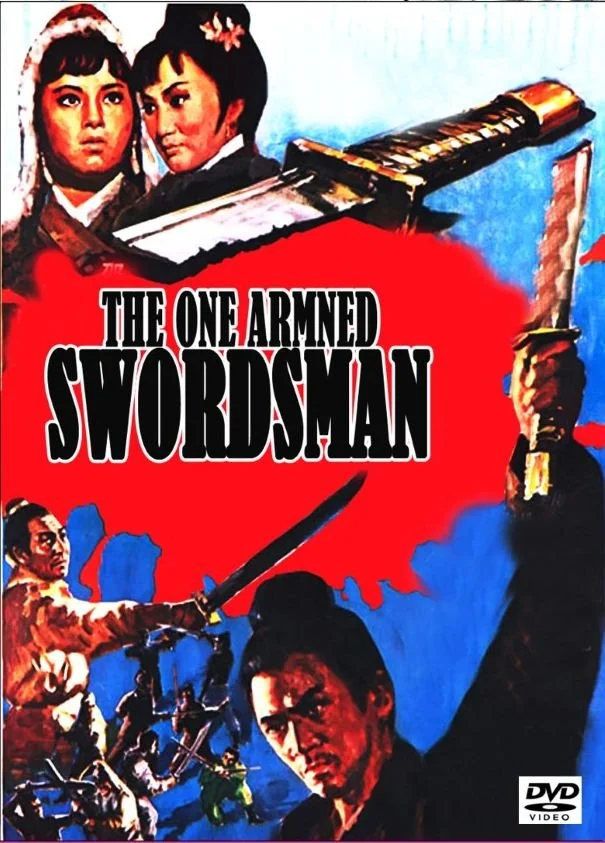
Wuxia Film Guides
Jianghu Meaning: The World Behind Wuxia Movies
What jianghu means, why it matters in wuxia, and how it helps you read the swordsmen, inns, and rival clans on screen.
Read the guide ›