Kung Fu Film Guides
7 Best Sammo Hung Movies for Your First Watch
A practical first-watch route through Sammo Hung movies, from classic kung fu and ghost comedy to big 1980s ensemble action.
Sammo Hung movies are a good reminder that martial arts cinema never needed to choose between skill and personality. A scene can be funny, dangerous, scruffy, tender, or wildly overbuilt, sometimes within the same few minutes. Hung’s best work makes that change of tone feel earned. The comedy gives a performer something human to protect. The action gives the joke a real physical consequence.
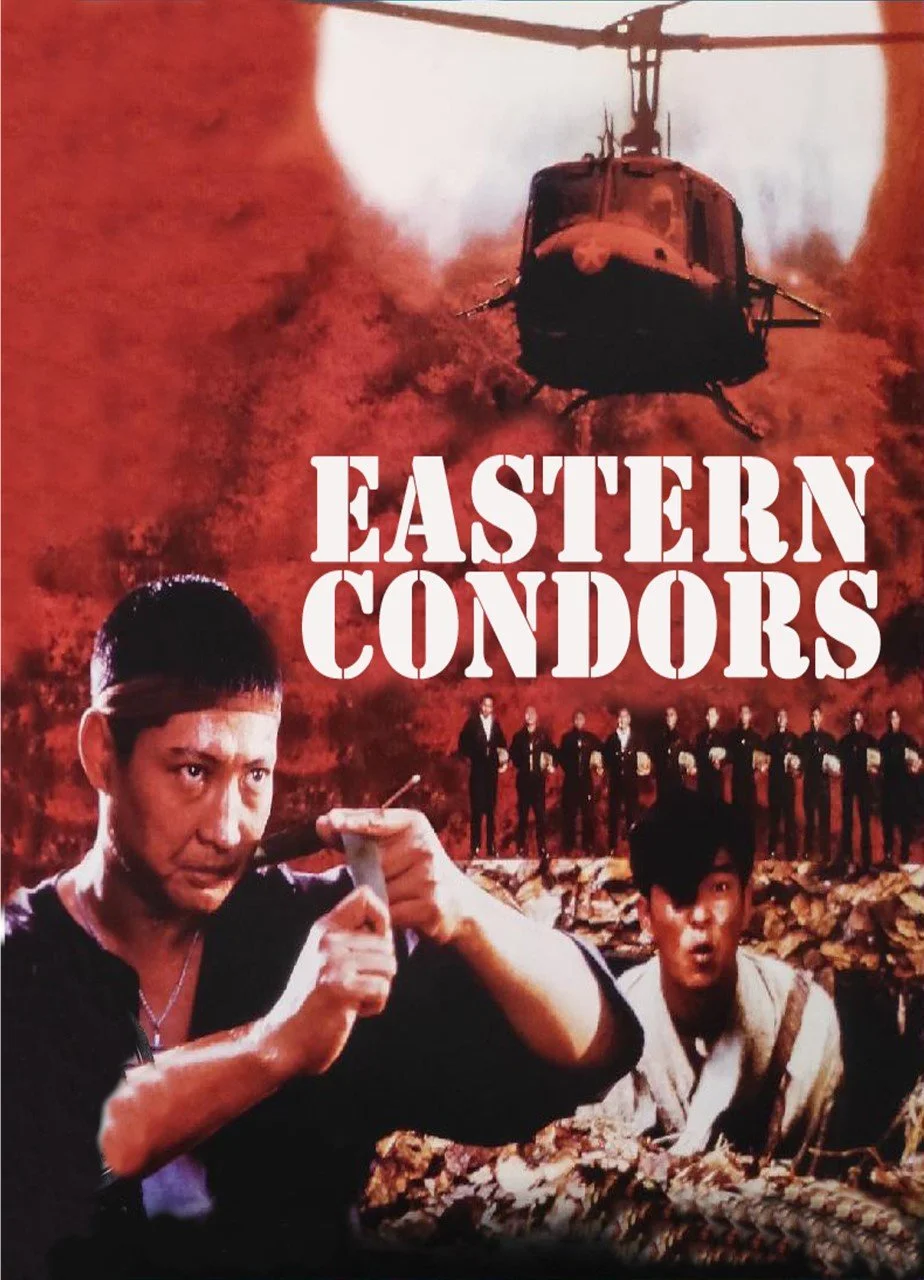
There is no single Sammo Hung starter film because he has worked across too many distinct moods. The practical answer is to choose the kind of night you want. Start with The Victim for classic kung fu with a serious pulse. Choose Meals on Wheels for a welcoming action-comedy. Pick Eastern Condors when you want a bruising group adventure. Each is a real Cinema Kung Fu release, and each shows a different reason Hung remains worth following.
The best Sammo Hung movies at a glance
Best first classic: The Victim for a direct, performer-led kung fu story with real dramatic weight.
Best action comedy: Meals on Wheels for Jackie Chan, Sammo Hung, Yuen Biao, and an unusually joyful sense of momentum.
Best full-throttle pick: Eastern Condors for a hard-edged ensemble mission with no interest in taking the easy way out.
Why Sammo Hung is such a rewarding place to start
Hung is not only a star whose screen presence changes the temperature of a scene. He has also worked as a director and action choreographer, a range documented in the Hong Kong Film Archive’s filmmaker profile. That helps explain why his strongest films can feel so intentionally shaped. The person at the center of a scene, the physical problem in front of them, and the way the action reveals character all tend to be pulling in the same direction.
The Criterion Channel describes his work as a meeting of exuberant physicality and unexpected grace, and that is a useful place to begin. Hung can play a confident leader, a comic instigator, a fighter who has misread the room, or the sturdy center of an unruly group. He does not need a film to flatten into one mood. A joke can make a character more vulnerable. A quiet pause can make a later hit feel heavier.
For a first watch, pay attention to the jobs each scene is doing. Is the fight proving a point, solving a problem, getting two performers into a rhythm, or making a room feel suddenly unsafe? That question is more useful than trying to decide which title is the definitive best. It gives you a way to choose your next film when the credits roll.
How to choose your first Sammo Hung movie
Choose a traditional kung fu film when you want the action to grow from a clear personal conflict. The pleasure is in seeing a fighter read a problem, change tactics, and earn an answer. The Victim is the right route when you want that tension without losing the physical inventiveness that makes Hung’s work so alive.
Choose action comedy when you want timing to matter as much as impact. In a Sammo Hung comedy, a bad decision, an object in the room, or the effort to look dignified can become the reason a fight works. The laughter does not pause the action. It adds another rule to the action, then makes the performer solve it in real time. Meals on Wheels and My Lucky Stars are ideal for this side of the filmography.
Choose an ensemble action picture when you want the energy to spread across a whole team. Eastern Condors is not a one-man showcase. Its danger comes from watching a group handle changing terrain and increasing pressure. It is a great move after a smaller kung fu story, when you want to see how many different kinds of performers can carry an action sequence together.
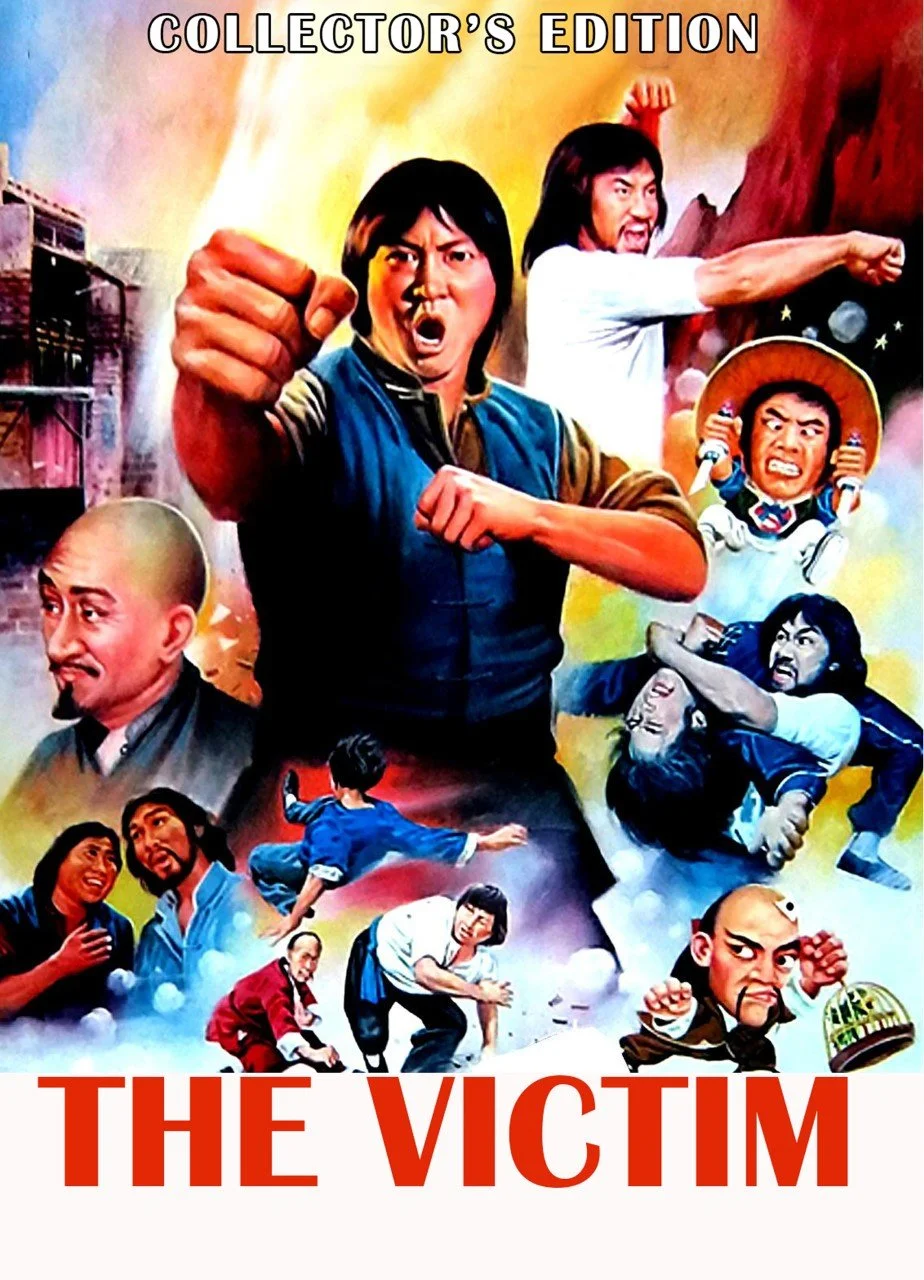
1. The Victim (1980)
The Victim is the best first Sammo Hung movie for viewers who want a classic kung fu film that still feels sharp and personal. The story has betrayal and survival at its center, but it stays grounded in the practical question of what a fighter notices, endures, and does next. Sammo Hung and Bryan Leung give the action enough weight that the conflict never feels like a string of demonstrations.
This is the place to start when you like a film to show why a fight matters before it asks you to admire the choreography. The best moments make distance, balance, and timing readable. A small decision changes who has control. A clean technique becomes meaningful because the movie has made the pressure clear. That is a deeply satisfying shape for a first classic.
2. Encounters of the Spooky Kind (1980)
This is the choice for viewers who want to see how far Hung could stretch the boundaries of a martial arts movie without losing its pulse. Encounters of the Spooky Kind mixes kung fu, supernatural folklore, and comic panic, turning a haunted situation into a chain of escalating physical problems. The Criterion Channel includes it in a focused Sammo Hung program alongside The Magnificent Butcher, Eastern Condors, and My Lucky Stars, which is a useful sign of how naturally those seemingly different moods belong together.
What makes the film work is not simply that it is strange. The strange elements change the action. A joke can make a threat harder to escape. A scare can force a performer into a new rhythm. The result is a fine pick when ordinary training stories sound too tidy and you want a film that keeps finding another way to surprise you.
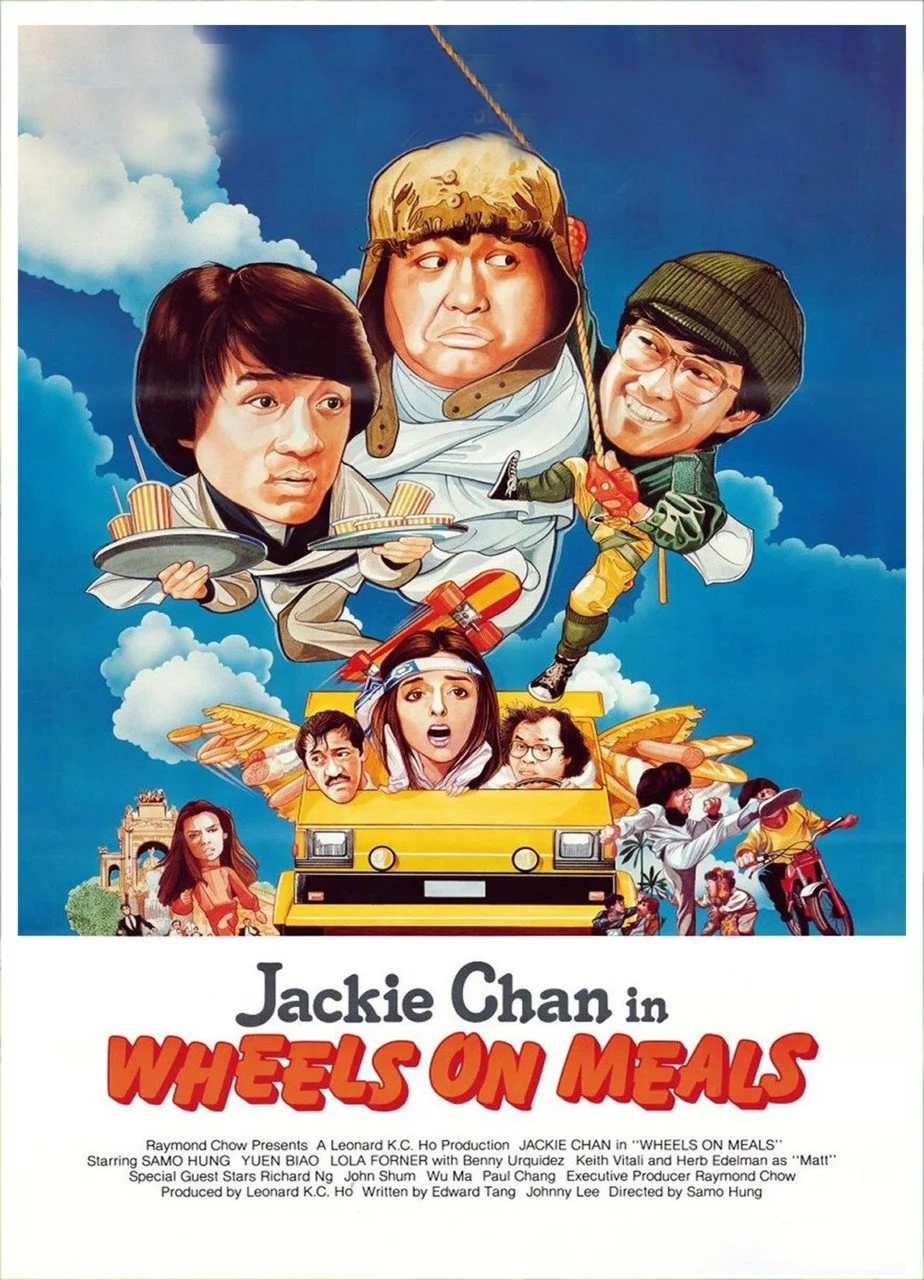
3. Meals on Wheels (1984)
Meals on Wheels is the welcoming action-comedy route. Jackie Chan, Sammo Hung, and Yuen Biao give the film the feeling of performers who understand exactly how to hand an idea from one person to another. A simple problem can grow into a chase, a comic misunderstanding, or a clean burst of athletic action before the scene has time to settle down.
The Criterion Channel notes its Barcelona setting and the creative staging around its amusement-park opening and haunted-house finale. More importantly, the film understands that comic rhythm can make an action scene easier to follow. You see the setup, the obstacle, the reversal, and the solution. It is lively without becoming careless, and it makes a great first choice for someone who wants the fun to arrive immediately.
4. My Lucky Stars (1985)
My Lucky Stars is the right next move when the group chemistry in Meals on Wheels is what stayed with you. It gives the comedy room to breathe, then lets the action arrive with a sharper edge because the film has spent time making the personalities distinct. The characters do not behave like an interchangeable squad. They irritate, help, embarrass, and unexpectedly come through for one another.
That is why the best action comedies hold up. The humor is not decoration pasted on top of the fights. It gives the fights a human scale. When a character is suddenly in danger, you know what their confidence, pride, or bad luck looks like. The Criterion note on the film is useful for its focus on Hung’s staging and the way the major set pieces keep their comic identity without losing momentum.
5. Eastern Condors (1987)
Eastern Condors is for the night when you want the scale to get bigger and the atmosphere rougher. Sammo Hung leads an all-star cast through a mission story that keeps changing the terrain, the danger, and the role each member of the group has to play. It is tougher than the comic entries here, but it does not lose the clarity of a well-designed ensemble scene.
The Criterion Channel’s page for Eastern Condors includes an interview in which Hung reflects on his early career in Hong Kong cinema. On screen, the payoff is easy to see. He knows how to make a group feel active rather than decorative. Different bodies, skills, and reactions keep a sequence from becoming predictable. Pick it when a single-hero story feels too narrow and you want a full team under pressure.
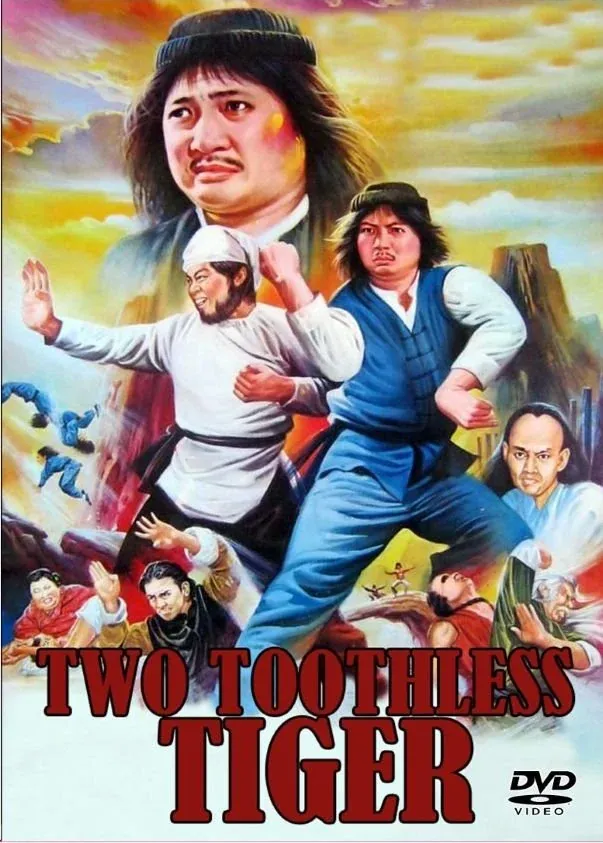
6. Two Toothless Tigers (1980)
Two Toothless Tigers is a fine deep cut for someone who has already discovered they enjoy the looseness of old-school Hong Kong action comedy. The film brings Sammo Hung into a colorful world of restaurant trouble, criminals, and eccentric characters. It is not trying to be a solemn gateway to the genre. Its value is in the way comedy, personality, and a good martial arts scuffle can all occupy the same crowded frame.
This is the title to choose when you want a collector’s detour rather than another standard list entry. Its alternate title and lively cast are part of the appeal. After a polished crowd-pleaser, it shows why following a performer can lead you to the stranger corners of a filmography, where the pleasure is not knowing exactly what the next scene will do.
7. The Magnificent Butcher (1979)
For a fuller traditional-kung-fu route, make room for The Magnificent Butcher. Its place in the Criterion Channel’s Sammo Hung selection is a useful pointer, but the real reason to seek it out is the balance of character, comedy, and hand-to-hand clarity. It is the kind of film that rewards watching how a scene moves from a small social irritation into a problem that can only be answered through skill.
Try it after The Victim when you want more old-school kung fu but a slightly livelier tone. Together, the two films make a good double feature: one gives you pressure and survival, the other lets personality and comic complication loosen the frame without making the action less precise.
Build a three-film Sammo Hung night
For a classic kung fu route, start with The Victim, follow with The Magnificent Butcher, then end with Eastern Condors. The path moves from concentrated martial conflict to a more playful traditional picture, then opens into large-scale ensemble action. You will see the range without treating the films as a history test.
For a comedy-first route, begin with Meals on Wheels, continue with My Lucky Stars, and take a left turn into Two Toothless Tigers. That sequence makes it easy to feel the difference between polished team comedy and a more eccentric deep cut. When the comic side has you hooked, the kung fu comedy guide gives you more ways to choose the next watch.
Before ordering an unfamiliar title, look at the details on the individual listing. Alternate English titles and edition differences are common in this part of cinema. Cinema Kung Fu’s Disc Guide explains the made-on-demand DVD-R format and what collectors should expect, which makes it easier to choose a release with clear eyes.
Where Cinema Kung Fu fits in
Cinema Kung Fu is most useful once a performer has given you a trail to follow. Rather than starting with an enormous list of unfamiliar names, you can move from a Sammo Hung favorite into another action comedy, an 1980s ensemble picture, or a classic kung fu story that makes training and technique central. The kung fu DVD collection and the wider martial arts selection make those next steps easier to browse.
The point is not to buy a shelf by checklist. It is to notice the thing that gives you energy: a performer’s timing, an ensemble’s rhythm, a training story, an old-school restaurant brawl, or an action sequence that gets stranger every time it changes direction. Follow that clue. A personal collection becomes much more rewarding when each title answers something you actually wanted more of.
Frequently asked questions
What is the best Sammo Hung movie to watch first?
The Victim is a strong first choice if you want classic kung fu with a serious edge. Meals on Wheels is the friendliest first choice if you want action comedy, while Eastern Condors is ideal when you are ready for a bigger, harder-hitting ensemble film.
Was Sammo Hung a director as well as an actor?
Yes. Sammo Hung has worked as an actor, director, and action choreographer. That range is one reason his films can feel so complete: character, comic timing, and the design of the action often support the same idea.
Which Sammo Hung movie is the funniest?
For a lively action-comedy route, start with Meals on Wheels or My Lucky Stars. If you prefer older kung fu comedy with colorful characters and a looser, more eccentric rhythm, Two Toothless Tigers is a rewarding deep cut.
Where should I go after a first Sammo Hung movie?
Follow the part that stayed with you. Browse kung fu comedy after a comic favorite, explore 1980s martial arts films after an ensemble action picture, or use the wider kung fu collection to find another training story, old-school clash, or Hong Kong action discovery.
Related posts

Kung Fu Film Guides
Classic Kung Fu Movies: How to Choose Your First
A collector's guide to finding the right first classic kung fu movie, from training stories and rival schools to wild late-1970s action.
Read the guide ›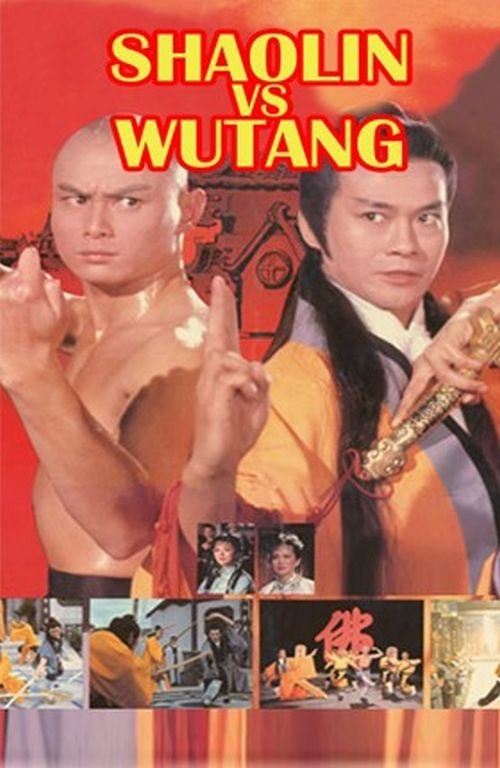
Kung Fu Film Guides
9 Best Kung Fu Movies to Watch Tonight
Looking for the best kung fu movies? Start with nine great picks, from training stories and school rivalries to wild Shaw Brothers action.
Read the guide ›
Kung Fu Film Guides
7 Best Kung Fu Comedy Movies for Your Next Watch
Seven kung fu comedy movies to start with, from Jackie Chan action comedy to oddball training stories and late-1970s deep cuts.
Read the guide ›
Kung Fu Film Guides
7 Best Shaw Brothers Movies for Your First Watch
A practical route into Shaw Brothers movies, from training stories and clan mysteries to swordplay spectacle.
Read the guide ›